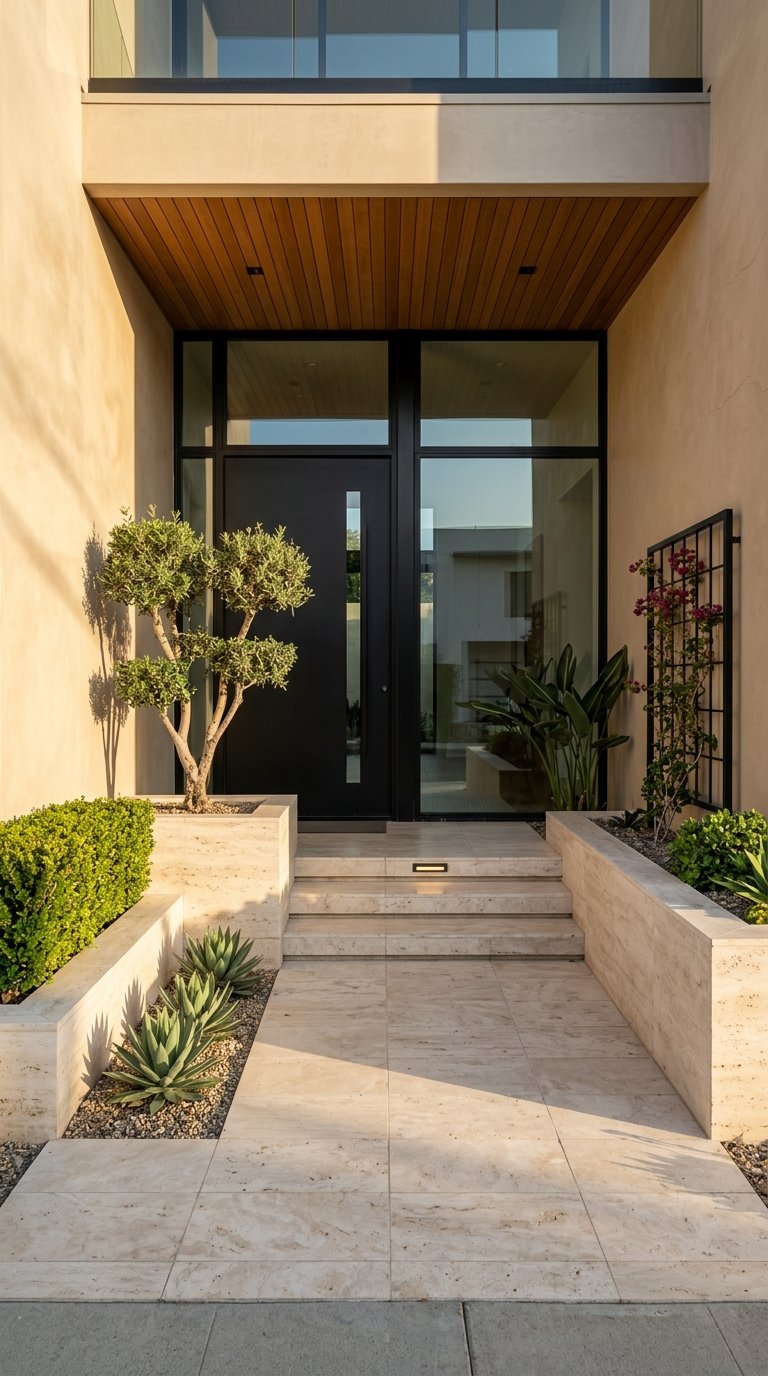
If you care as much about how a home feels as where it is, West Hollywood tends to stand out fast. In a city packed with options, it offers a rare mix of architecture, walkability, and everyday visual energy that design-minded buyers notice right away. Whether you are looking for a polished condo, a renovated vintage unit, or a stylish pied-a-terre in the center of it all, West Hollywood gives you a lifestyle shaped by design at nearly every turn. Let’s dive in.
West Hollywood Feels Intentionally Designed
West Hollywood is small in size but big in identity. The city covers about 1.9 square miles and has roughly 35,000 residents, yet it functions more like a compact urban district than a traditional suburb.
That scale is part of the appeal. Instead of feeling spread out, West Hollywood feels curated, with architecture, storefronts, public spaces, dining, and nightlife all closely woven together.
The city itself breaks West Hollywood into three core districts: the Sunset Strip, Santa Monica Boulevard, and the Design District. For buyers, that framework helps explain why the area feels so distinct. Each district brings its own rhythm, but together they create a place where style and city life are part of the daily experience.
Walkability Shapes Daily Life
For many design-minded buyers, walkability is not just a convenience. It is part of the lifestyle they want to buy into. West Hollywood has long emphasized pedestrian-oriented planning, and city materials describe it as inherently walkable.
That matters because design is not limited to what is inside your front door. In West Hollywood, the streetscape, storefront presentation, architecture, and public realm all influence how the neighborhood feels when you step outside.
If you like the idea of grabbing coffee, walking to dinner, browsing boutiques, or moving between errands and social plans without always relying on a car, West Hollywood checks an important box. The city has also been repeatedly recognized as one of California’s most walkable cities by Walk Score, reinforcing that this is a practical strength, not just a branding line.
Housing Stock Rewards Design Appreciation
West Hollywood attracts buyers who can see the value in character, proportion, and thoughtful updates. The housing base is heavily multifamily, with the city reporting that 64 percent of residents live in apartments and four out of five housing units are in large multifamily buildings.
For buyers, that usually means condos, apartment-style residences, and other attached housing forms define the market more than large-lot single-family homes. If your taste leans toward efficient layouts, lock-and-leave convenience, and architecture with personality, that can be a real advantage.
The city’s housing stock is also notably mature. West Hollywood says almost 91 percent of its housing is at least 30 years old, which helps explain why the area offers so many older buildings with renovation potential, preserved details, and layered architectural character.
That age often shows up in ways design-minded buyers appreciate. You may find original lines, older facades, distinctive floor plans, and buildings that feel different from newer, more uniform inventory elsewhere.
Architecture Adds Real Personality
One reason West Hollywood continues to pull in design-focused buyers is its architectural range. Historic preservation materials from the city point to styles such as Spanish Colonial Revival, Art Deco, Streamline Moderne, and Mid-Century Modern.
That variety gives buyers more than visual interest. It creates real options for people with different tastes, whether you love vintage glamour, cleaner modernist lines, or the warmth of older California architecture.
The Harper Avenue district is one example of this design legacy. The city notes that it developed as a luxury multi-family area in the 1920s and 1930s, which helps explain why certain parts of West Hollywood still feel architecturally rich and residentially distinctive.
Neighborhood-level planning guidance reinforces that sense of place. In Norma Triangle, the city describes narrow, tree-lined streets, small lots, one- and two-story buildings, and a wide mix of architectural styles and eras. In West Hollywood West, design guidelines aim to preserve neighborhood character while still allowing creative design solutions.
For buyers, that means West Hollywood is not just stylish in a general sense. It has a built environment with history, texture, and visual variation.
The Design District Strengthens the Lifestyle
For anyone drawn to interiors, fashion, art, or creative culture, the Design District carries obvious appeal. The district is promoted as a premier destination for art, design, restaurants, boutiques, and specialty retail.
City planning materials go even further, describing it as a place where furniture, fashion, art, and design trends begin. That kind of identity can shape how living nearby feels. You are not just buying a home in a convenient location. You are buying into a neighborhood with a clear design vocabulary.
For some buyers, that translates into inspiration. For others, it simply means the surrounding environment feels polished, current, and visually engaging in a way that aligns with how they want to live.
Art and Culture Are Part of Everyday Living
In West Hollywood, art is not treated like an extra feature. The city describes the arts as a creative engine for the community, and programs like Art Walk are designed to connect art, culture, shopping, and dining across the city.
That civic support matters because it reinforces West Hollywood’s visual identity beyond private buildings. Public art, preservation, urban design, and streetscape planning all contribute to a residential experience that feels culturally engaged.
For a design-minded buyer, that can be a major draw. You are not only evaluating square footage or finishes. You are also evaluating whether the city around you feels creative, intentional, and alive.
The Sunset Strip Adds Energy and Visual Impact
The Sunset Strip is another reason West Hollywood leaves a strong impression. City materials frame it as a major entertainment corridor tied to music, architecture, fashion, shopping, restaurants, and culture.
Its visual character is part of what makes it memorable. The city notes that creative signage has defined the Strip since the 1920s, and that graphic energy still contributes to the area’s identity today.
For the right buyer, this is part of the appeal. West Hollywood offers a lively street scene and a level of visual stimulation that feels very different from a quieter, lower-density residential setting.
At the same time, it helps to understand the tradeoff. The city even uses rideshare pickup zones in busy nightlife and dining areas to manage congestion and double-parking, which tells you something about how active certain blocks can become.
Who West Hollywood Often Fits Best
West Hollywood tends to resonate with buyers who want a stylish urban home base and are comfortable prioritizing location, architecture, and lifestyle over yard space. That often includes creatives, executives, relocators, and buyers who want a smaller-footprint home with a strong sense of place.
This does not mean one type of buyer belongs here and another does not. It simply means the city’s housing mix and rhythm tend to suit people who value design, density, and access to culture as part of everyday life.
If you are deciding whether West Hollywood fits your priorities, ask yourself what matters most. If walkability, architecture, dining, visual identity, and a central location rank high, the city may feel like a natural match.
If you prefer larger lots, quieter low-density streets, or a more suburban parking-and-garage setup, West Hollywood may feel less aligned with how you want to live. The key is understanding the lifestyle honestly before you buy.
Price Points Reflect Strong Demand
West Hollywood’s appeal comes at a premium. Census data shows a median value of owner-occupied housing units of $924,800, median monthly owner costs with a mortgage of $3,937, and median gross rent of $2,091.
Those numbers help frame the market for buyers comparing West Hollywood with nearby Los Angeles neighborhoods. You are often paying for more than a unit itself. You are paying for location, identity, walkability, and access to a city experience that is hard to duplicate.
That is why a thoughtful buying strategy matters here. In a market where design and lifestyle can strongly influence demand, it helps to know how to evaluate not just the home, but also the block, the building, and the broader feel of the immediate area.
Why Buyers Keep Coming Back
At its core, West Hollywood attracts design-minded buyers because it offers more than housing. It offers a residential experience shaped by architecture, public life, cultural energy, and a strong local identity.
It is central, but that is only part of the story. What makes West Hollywood stand out is that it feels intentionally designed, from its preserved architecture and multifamily history to its arts programming, retail districts, and active streets.
For buyers who want their home to connect with the character of the city around it, that combination can be hard to beat. And when you are searching in a competitive Westside market, clarity about that lifestyle fit can make your decision much easier.
If you are considering a move in West Hollywood or comparing it with other prime West Los Angeles neighborhoods, working with a team that understands both the market and the lifestyle details can make all the difference. The Umansky Team brings deep local knowledge, design awareness, and high-touch guidance to help you find the right fit.
FAQs
What types of homes are most common in West Hollywood?
- West Hollywood is dominated by apartments, condos, and other multifamily housing, with four out of five housing units in large multifamily buildings according to the city.
Is West Hollywood a walkable place to live?
- Yes. City planning materials describe West Hollywood as inherently walkable, and the city has repeatedly highlighted recognition as one of California’s most walkable cities.
Why do design-minded buyers like West Hollywood?
- Many buyers are drawn to West Hollywood for its mix of architecture, mature housing stock, design-focused districts, public art, and a lifestyle that blends walkability with culture and visual character.
Does West Hollywood have a strong design identity beyond homes?
- Yes. The city formally supports urban design, architecture, historic preservation, public art, and arts programming, all of which reinforce its broader visual identity.
Is West Hollywood a good fit for buyers who want larger lots?
- Buyers looking for larger lots or a more suburban feel may find West Hollywood less aligned with their priorities, since the city is compact and largely built around multifamily housing and active urban corridors.