7,248 people live in Bel-Air, where the median age is 47 and the average individual income is $151,736. Data provided by the U.S. Census Bureau.
Total Population
Median Age
Population Density Population Density This is the number of people per square mile in a neighborhood.
Average individual Income
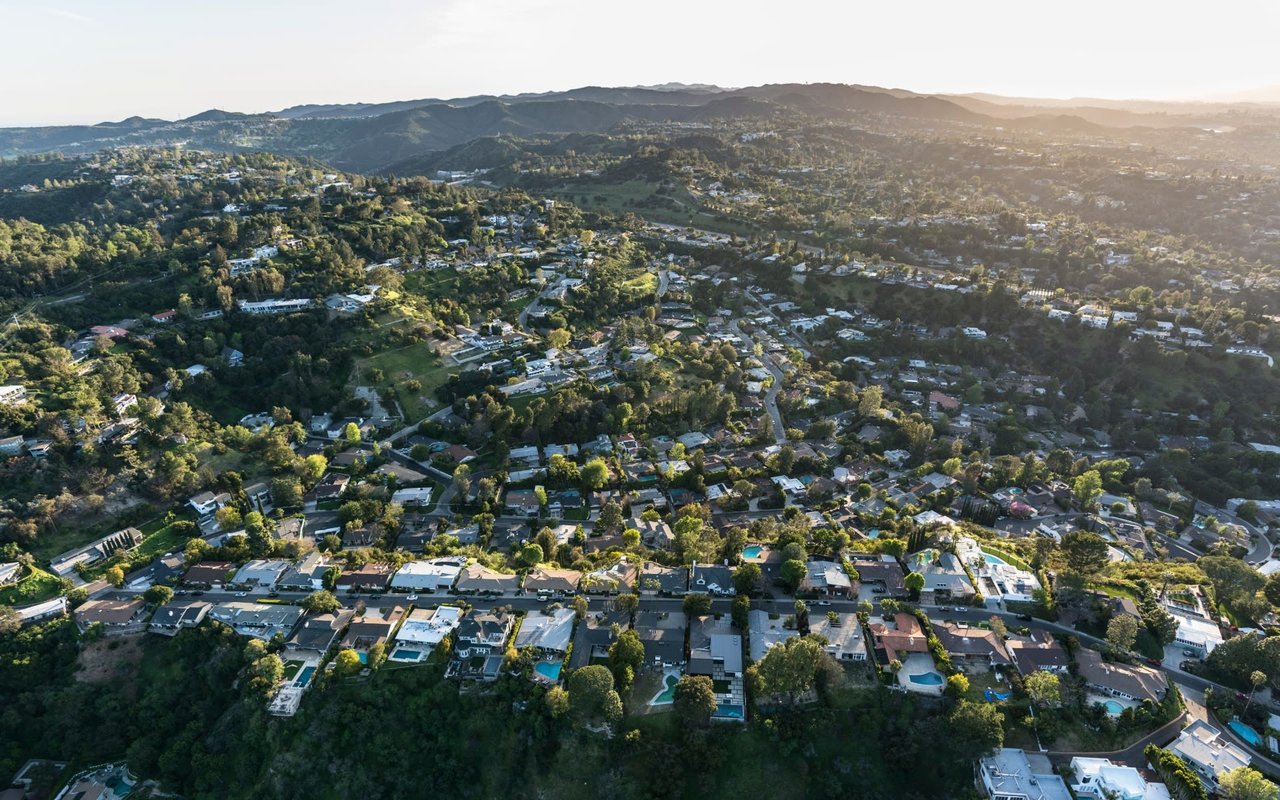
Bel Air is not a neighborhood you stumble into. There is no main street, no storefront windows, no foot traffic to speak of. What there is, instead, is a winding ribbon of canyon roads climbing into the Santa Monica Mountains, lined with gates that reveal almost nothing of what lies behind them. That deliberate quiet is the entire point.
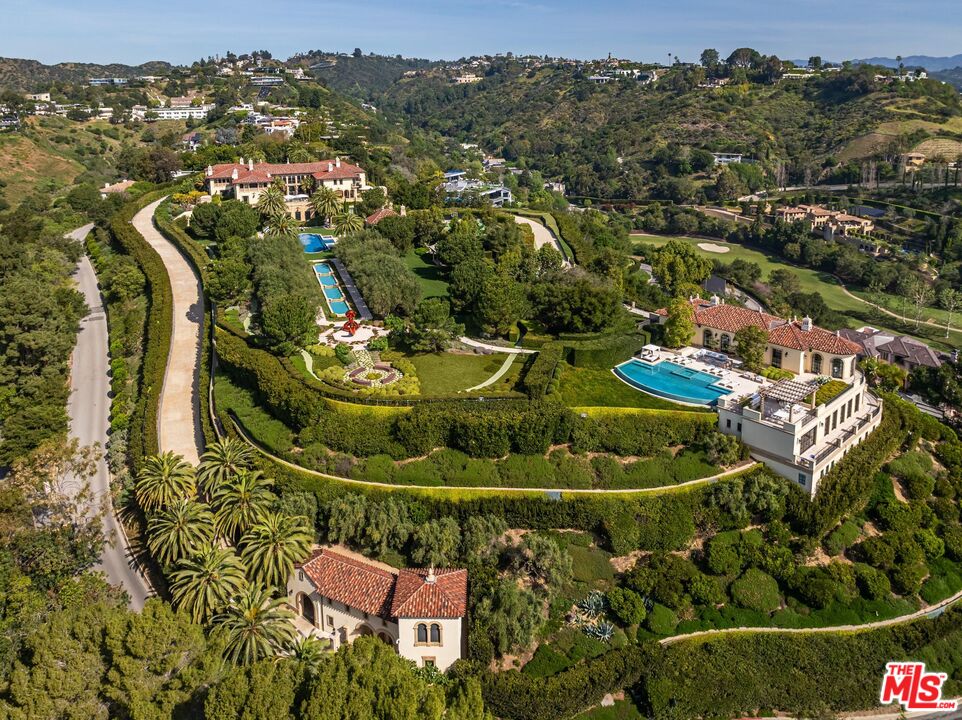
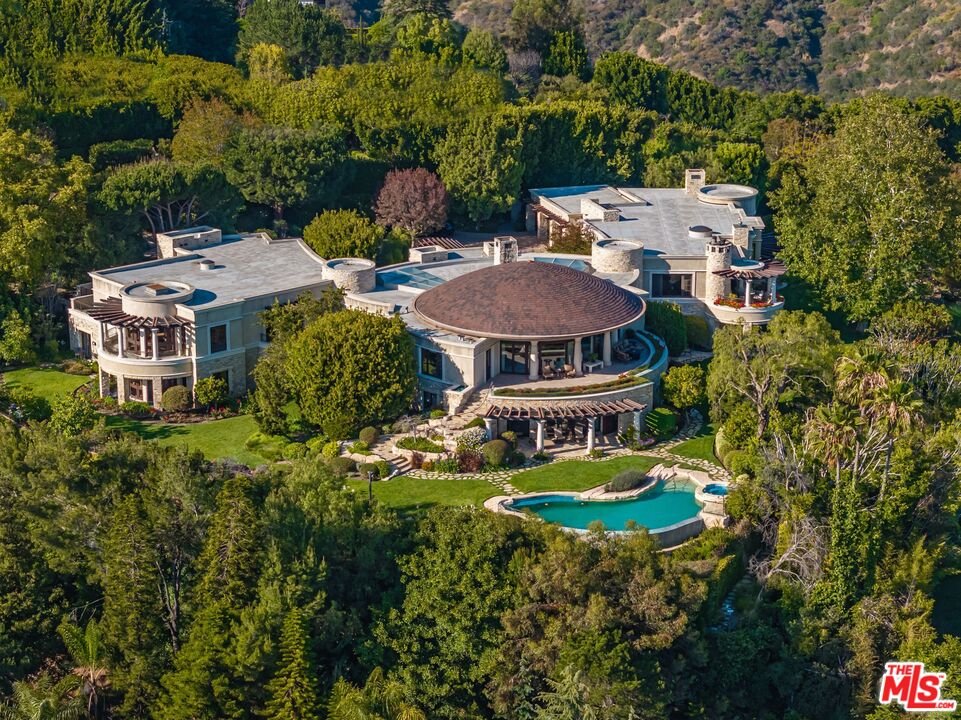
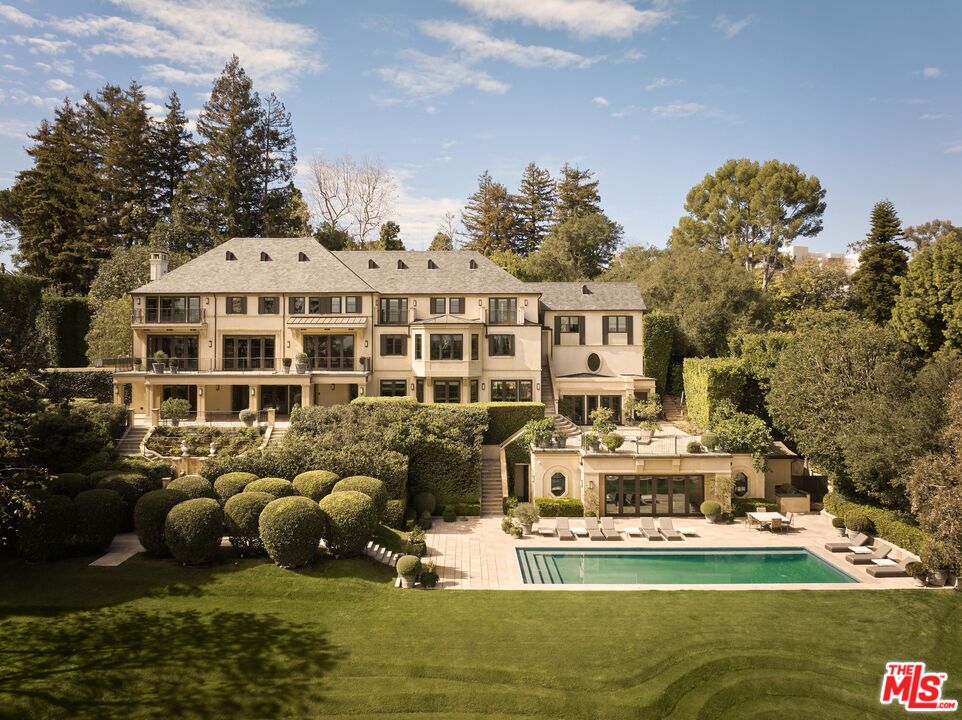
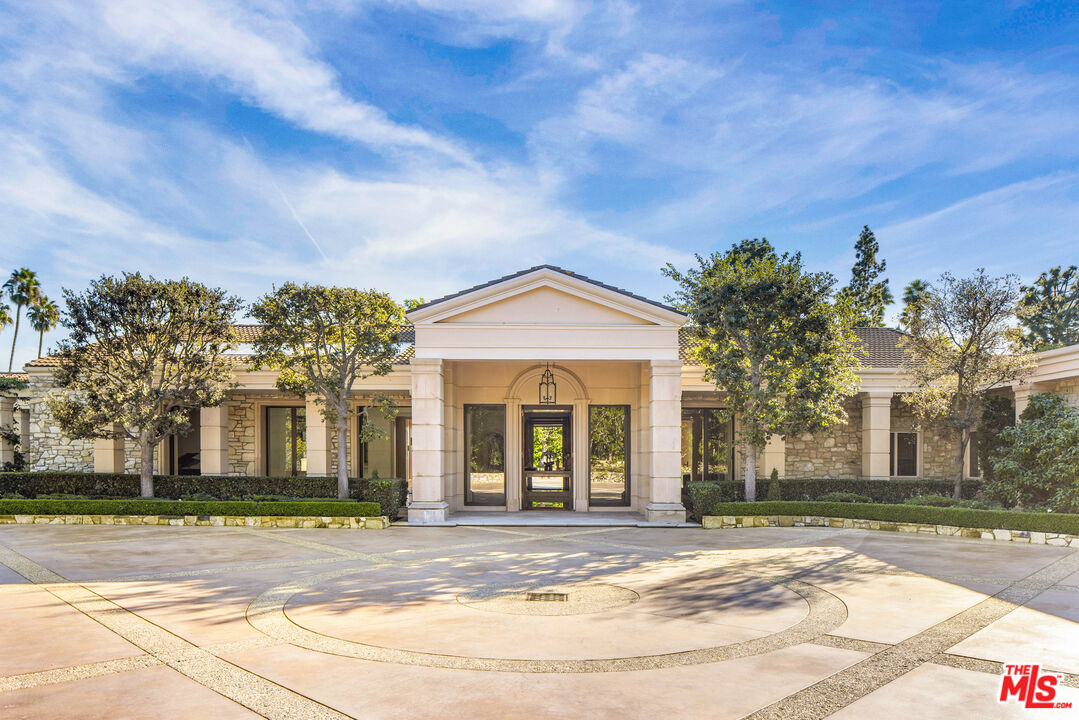
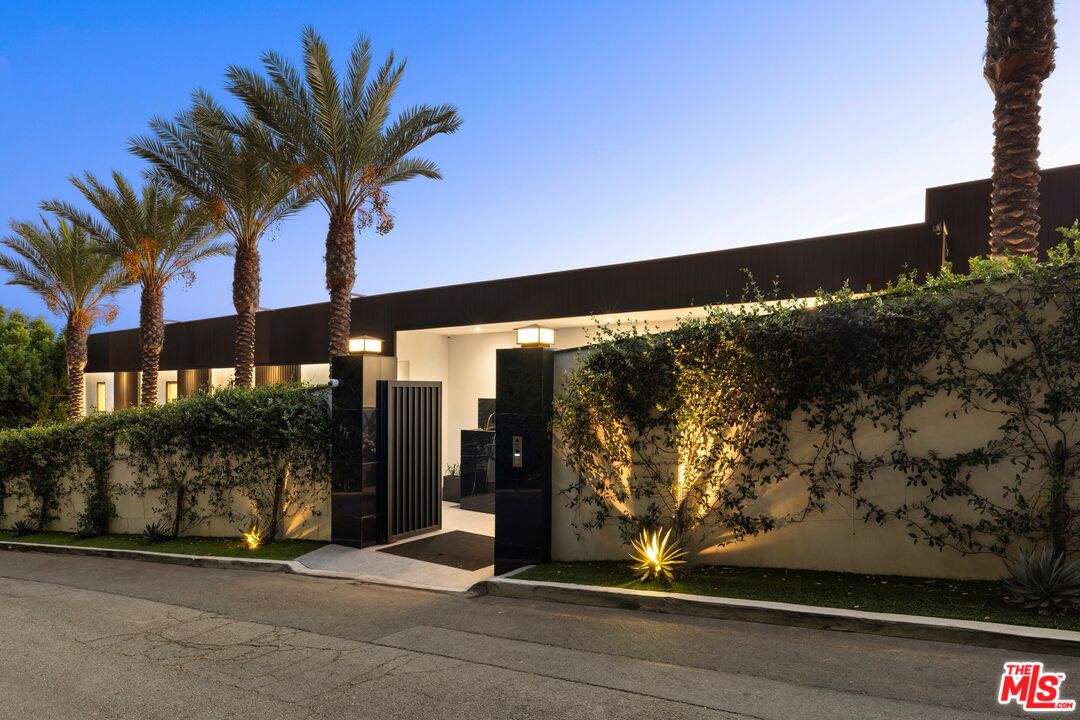
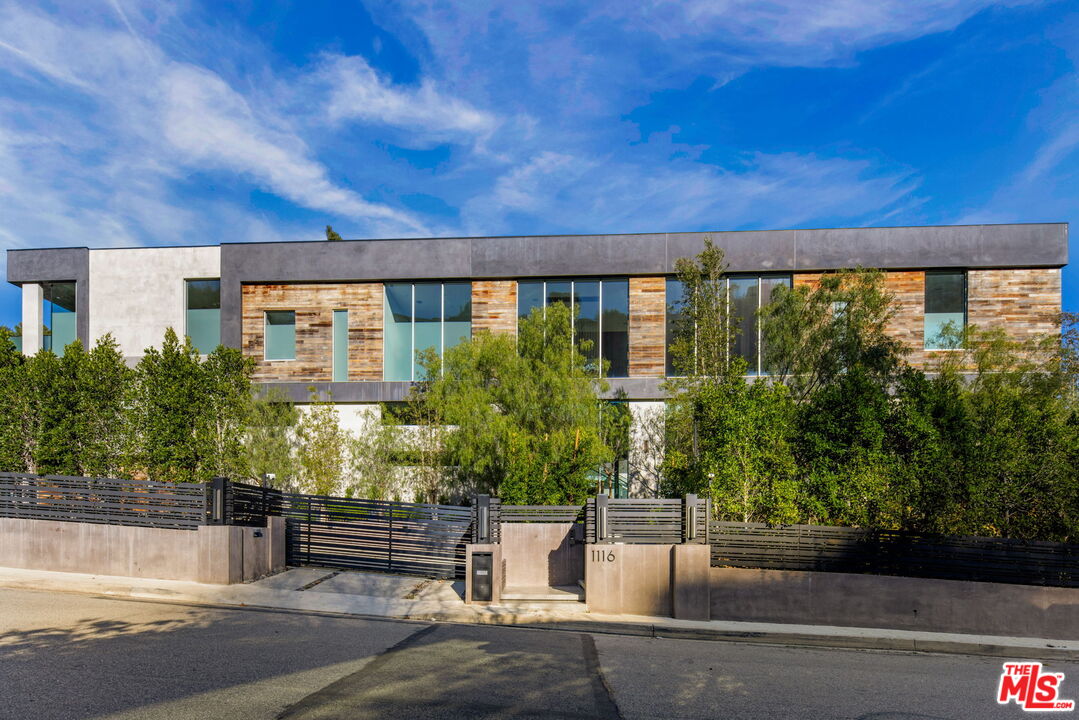
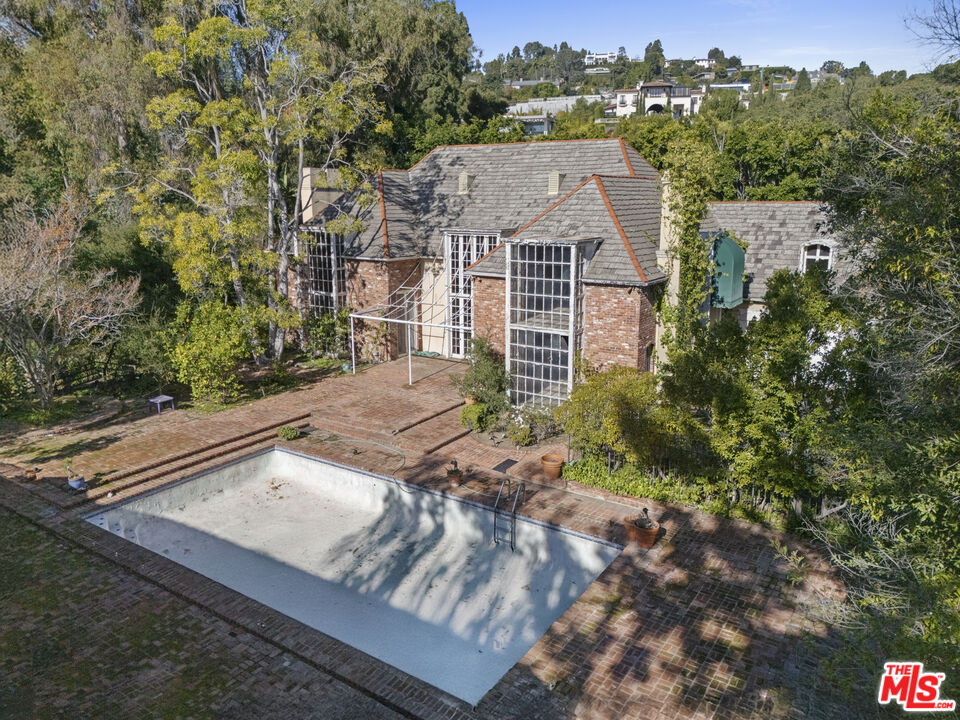
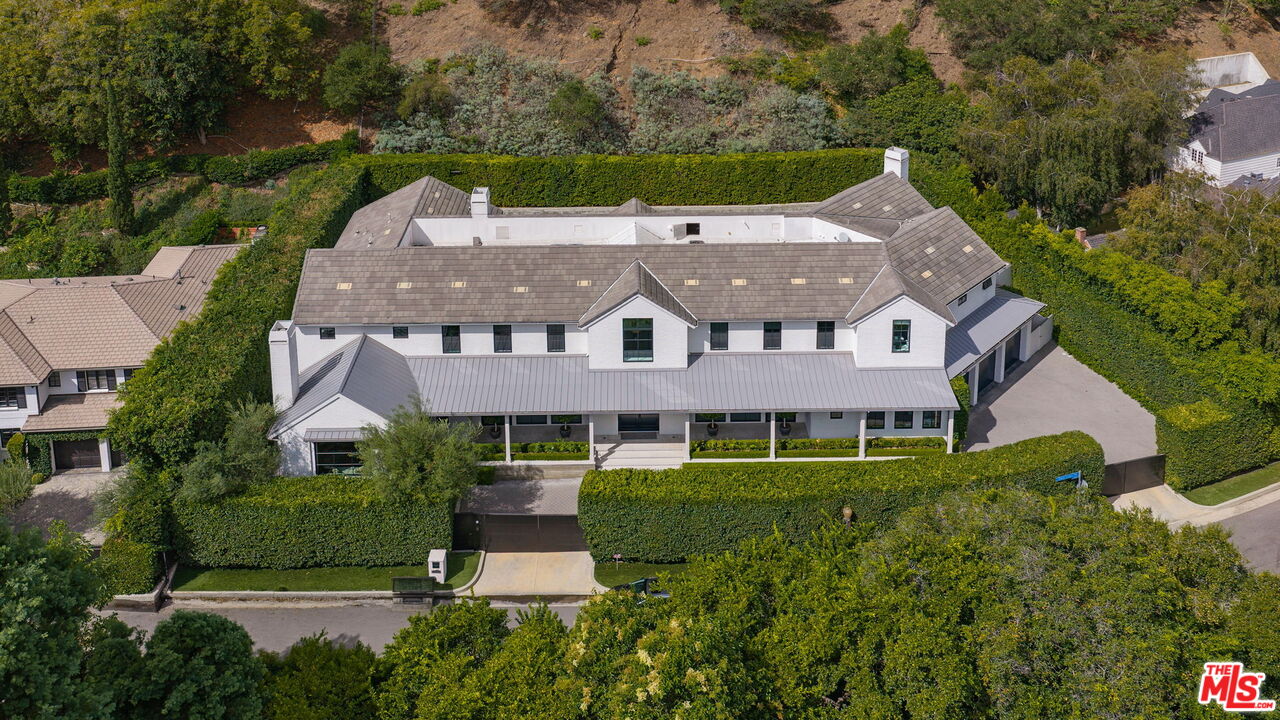
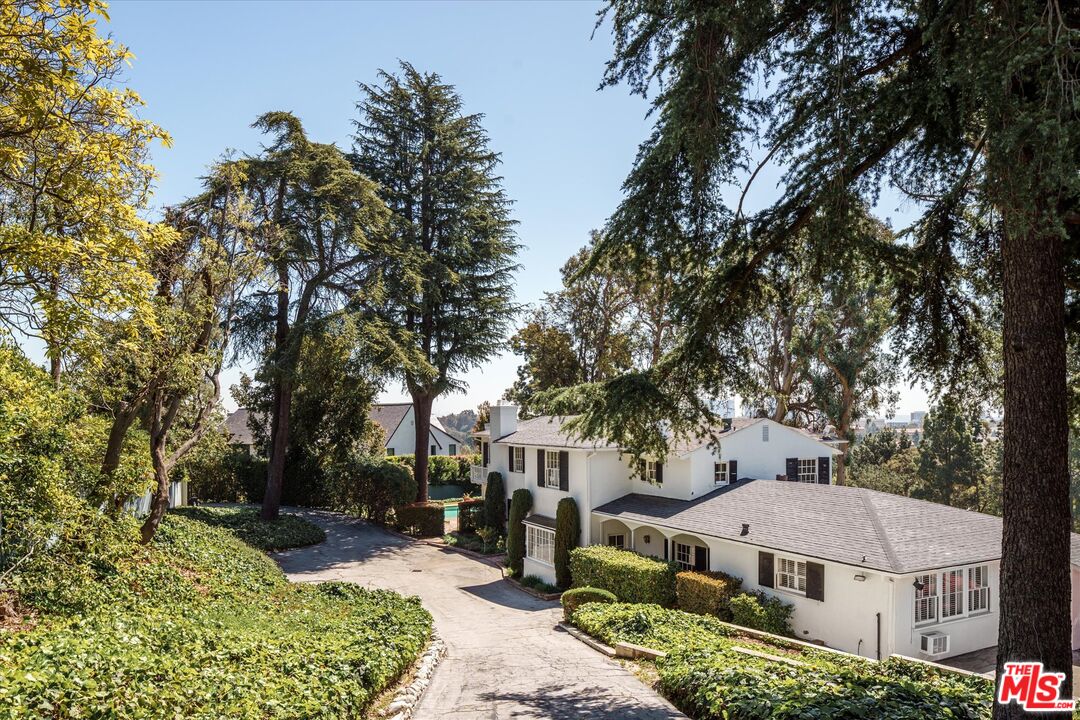
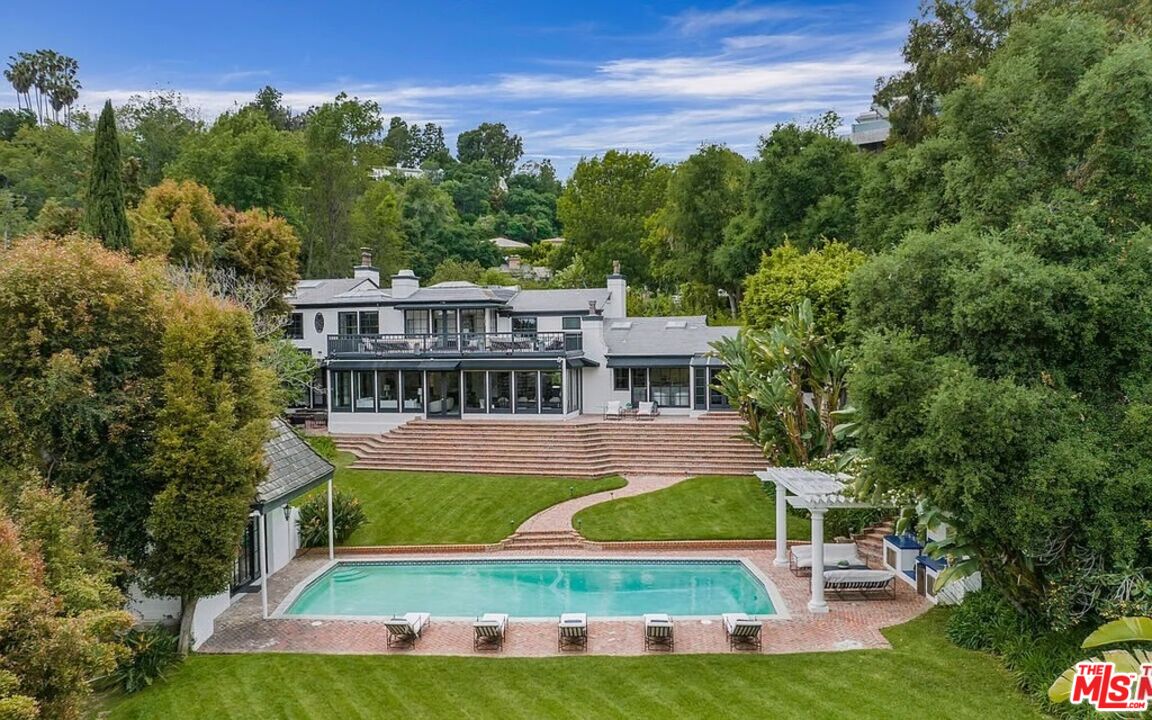
Tucked into the foothills on the Westside of Los Angeles, Bel Air is the most private corner of the city's famed "Platinum Triangle," sharing that distinction with Beverly Hills and Holmby Hills. It is almost purely residential, built for people who want proximity to everything Los Angeles offers without surrendering an ounce of seclusion. The estates here are some of the largest and most expensive ever built in the United States, yet most are invisible from the road, shrouded behind mature hedges and electronic gates.
This guide walks through what actually defines Bel Air, from its origins as one man's master-planned vision to the realities of buying, living, and moving through one of the world's most exclusive enclaves.
Bel Air began as the singular vision of Alphonzo Bell, who inherited a fortune in 1922 after oil was discovered on his family's farm in Santa Fe Springs. Rather than reinvest in oil, Bell bought 4,600 acres of rugged hillside west of Hollywood and set out to build an exclusive equestrian community for the ultra-wealthy. He named it Bel-Air, fusing his own surname with the ocean breezes drifting in off the Pacific.
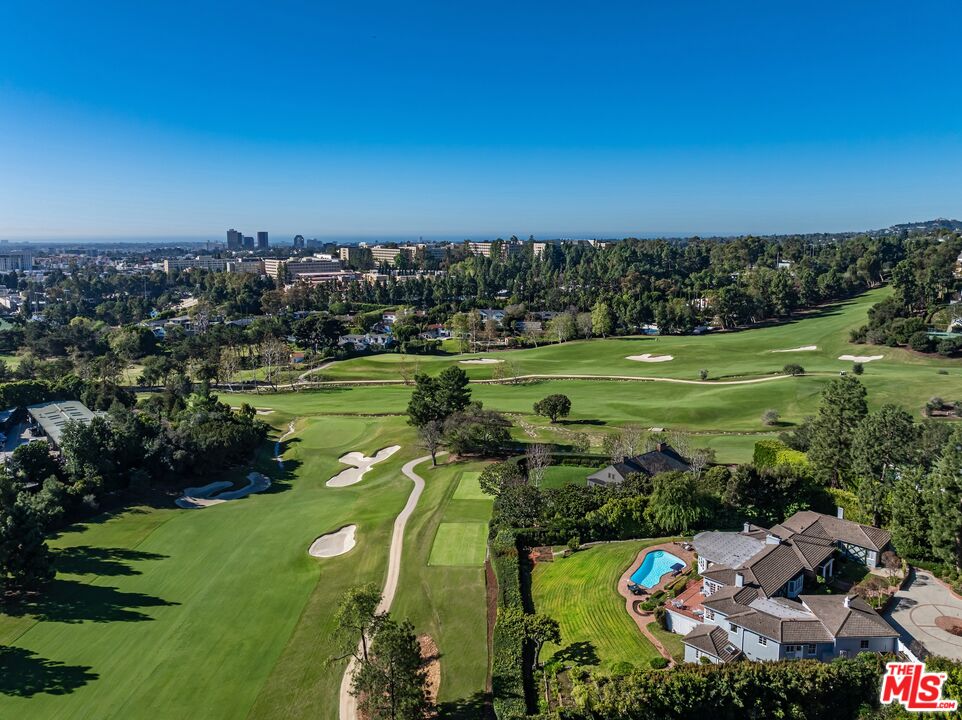
Bell understood that prestige had to be engineered from the start. He built grand stone entry gates off Sunset Boulevard, hired landscape architect Mark Daniels to lay out contour-following roads and enforce strict building codes favoring large lots and Spanish Colonial Revival styling, and opened the Bel-Air Country Club in 1925 as the community's social anchor. By the 1930s and 40s, even through the Great Depression, Bel Air had cemented its reputation as a haven for old money, corporate tycoons, and Hollywood royalty. A century later, that reputation remains fully intact.
Bel Air sits in the verdant foothills of the Santa Monica Mountains, roughly 12 miles west of downtown Los Angeles and directly north of UCLA. Its boundaries are drawn less by surveyors than by the landscape and the major roads that frame it:
Within those lines, Bel Air organizes itself around its two historic entrances. The East Gate, reached via Bel Air Road off Sunset, opens into "Old Bel Air," the oldest and most storied section, home to massive hidden estates and the closest properties to the Country Club. The West Gate, entered via Bellagio Road, feeds into Upper Bel Air, where the roads climb higher toward Mulholland and reward residents with sweeping views across the LA Basin.
Bel Air is one of the most expensive residential markets on the planet, and it operates by its own rules. This is not a market driven by commutes or school districts in the ordinary sense; it is driven by ultra-high-net-worth buyers seeking privacy, acreage, and a name that carries weight anywhere in the world.
Entry-level here is a relative term. A single-family home typically starts somewhere around $3 million to $5 million, and at that level you are generally looking at a modest ranch-style property or something in need of significant renovation. The median home value routinely sits north of $10 million, and the ceiling extends into nine figures.
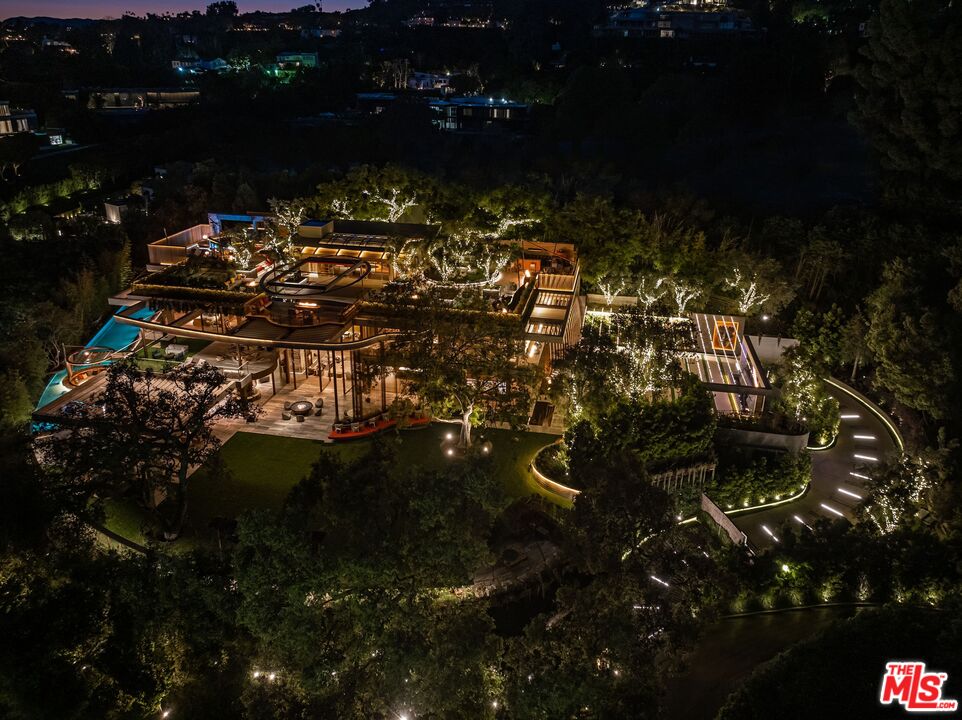
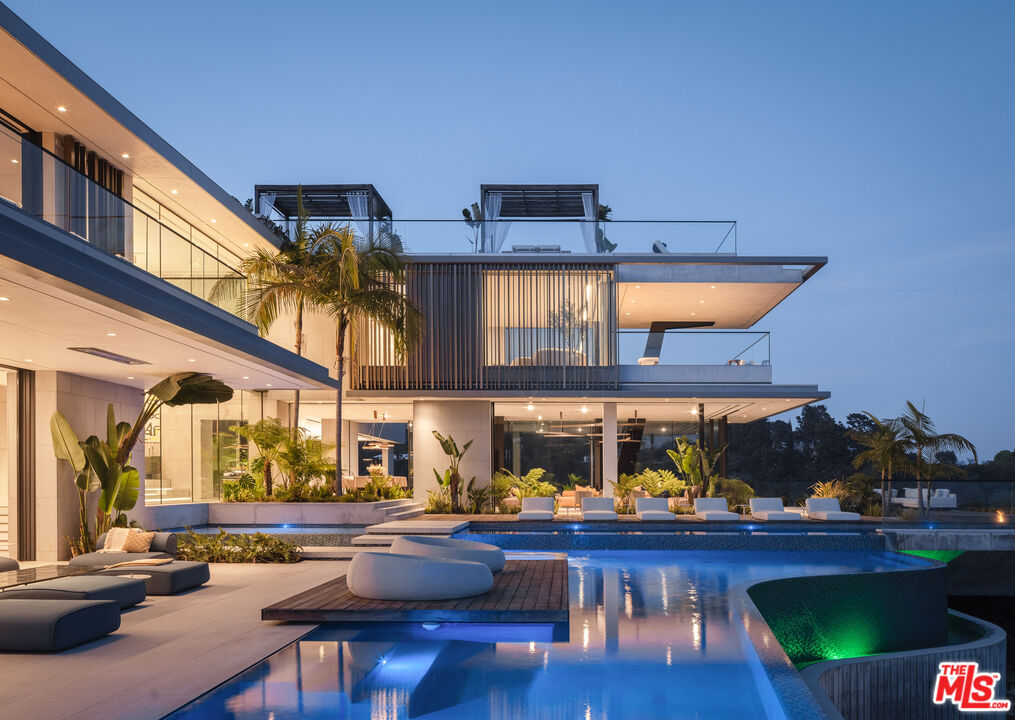
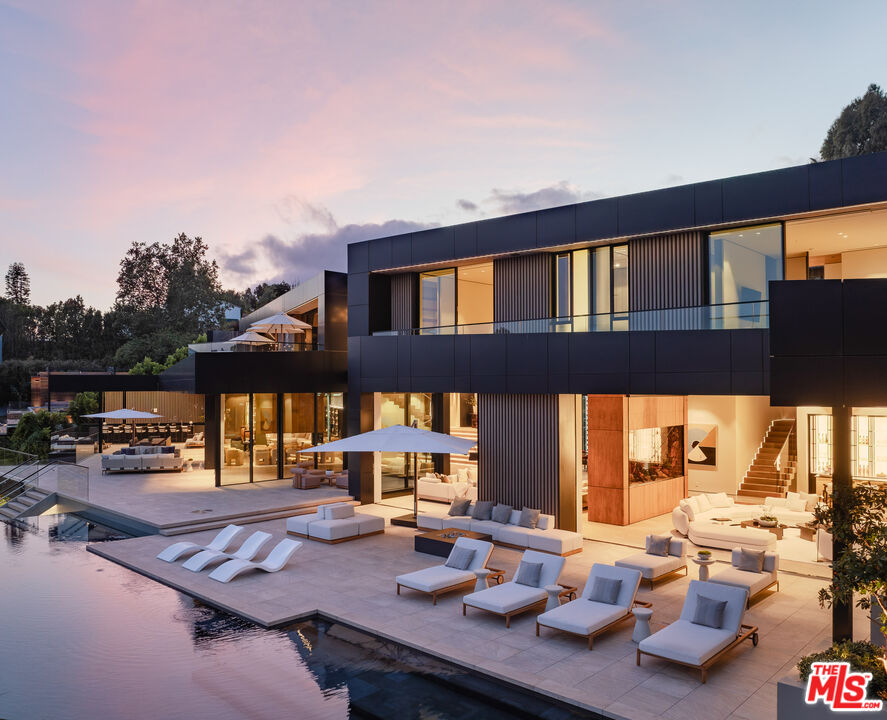
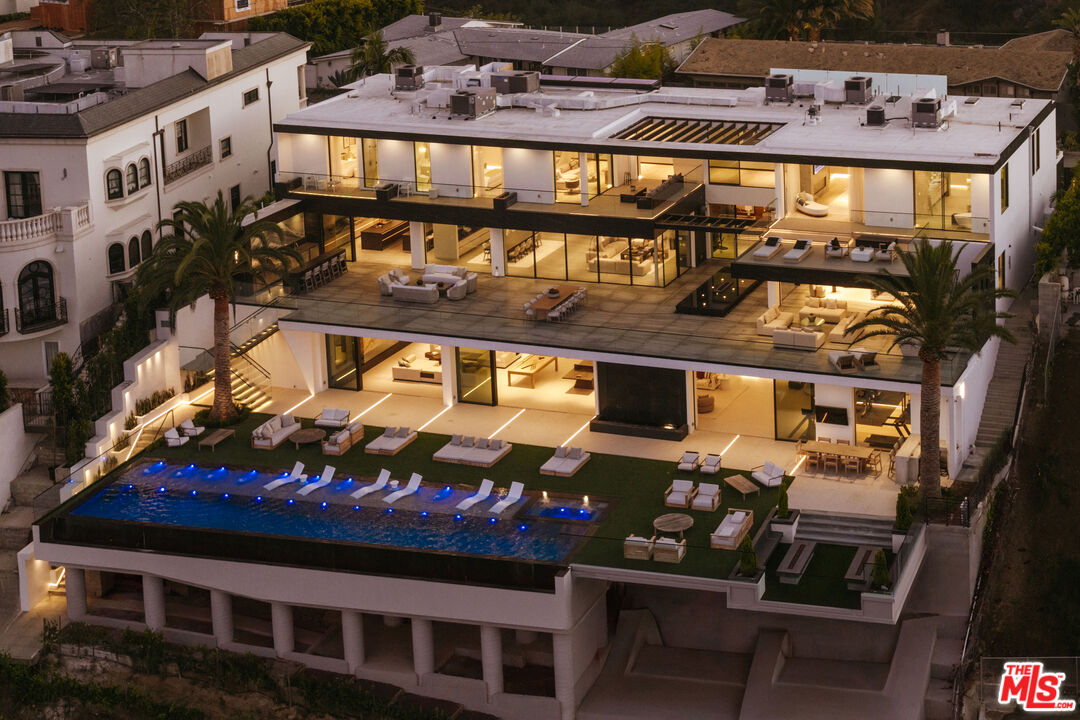
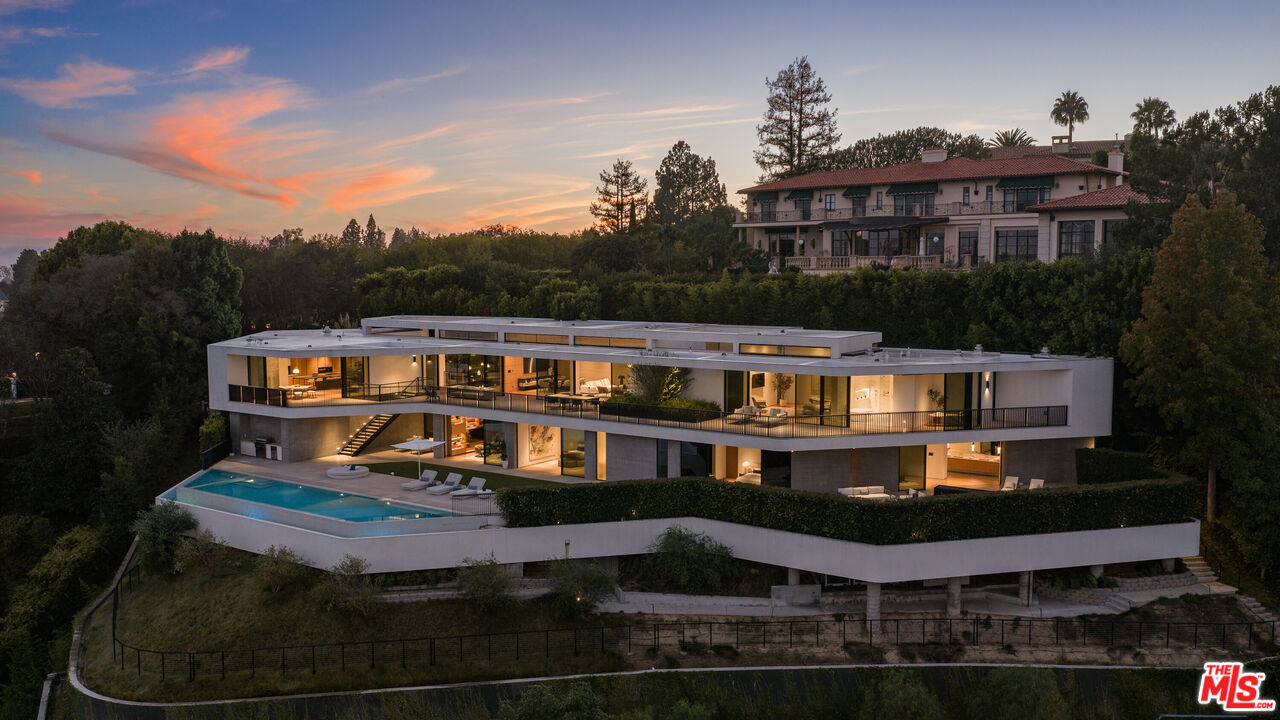
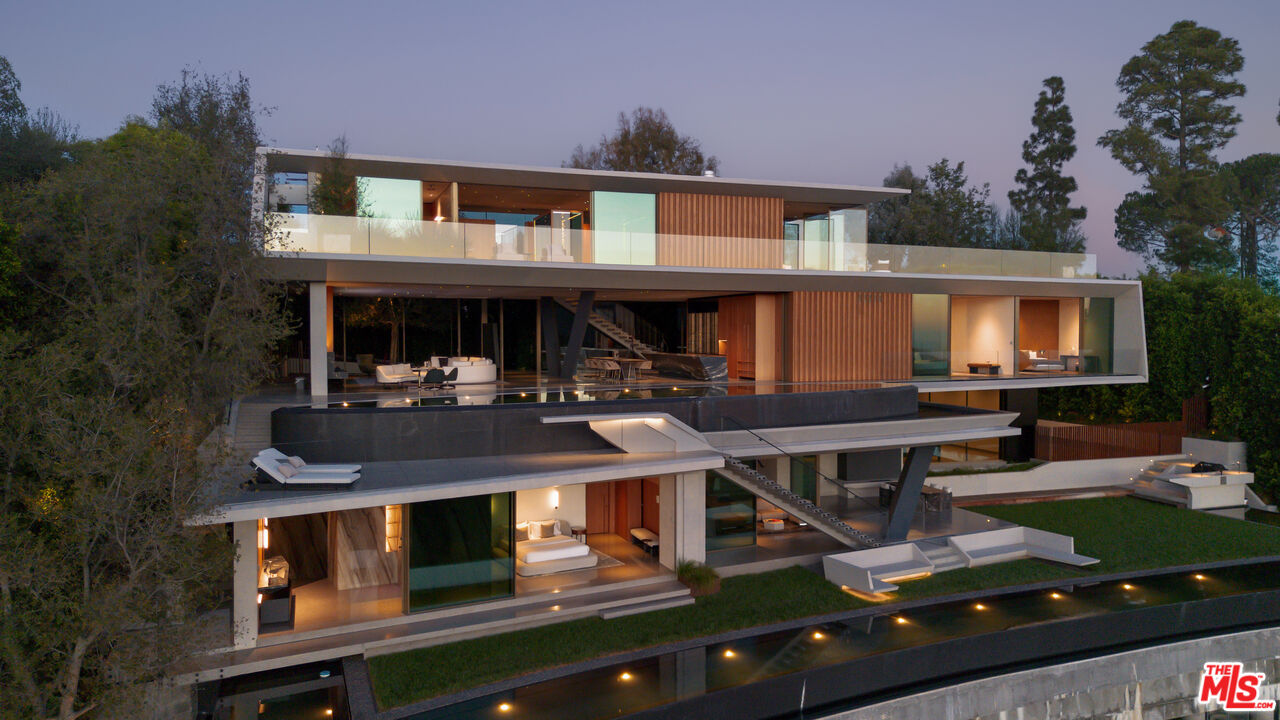
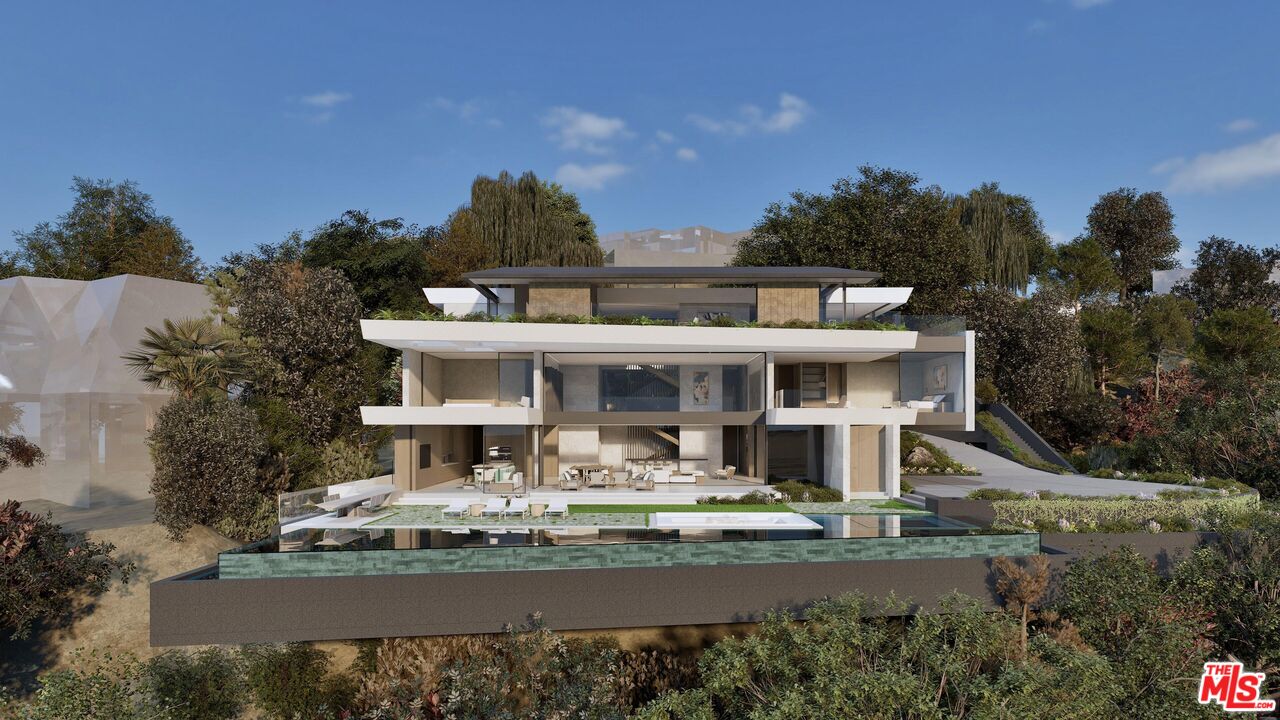
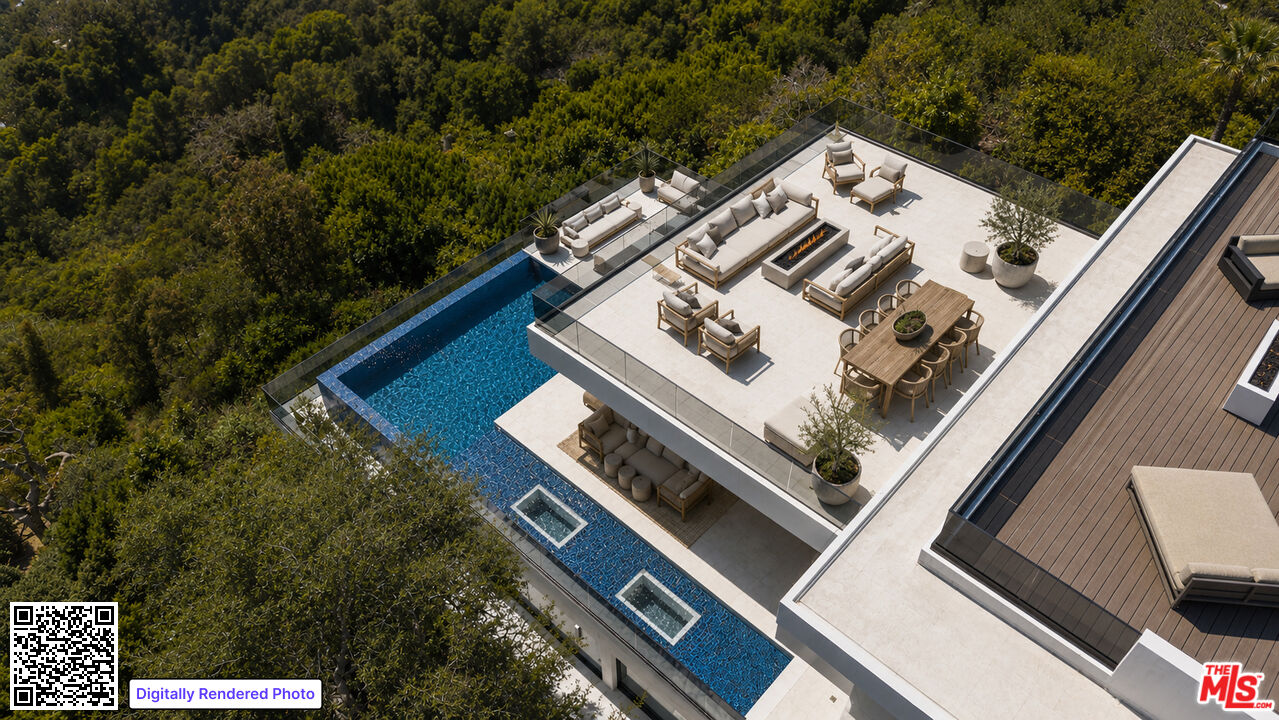
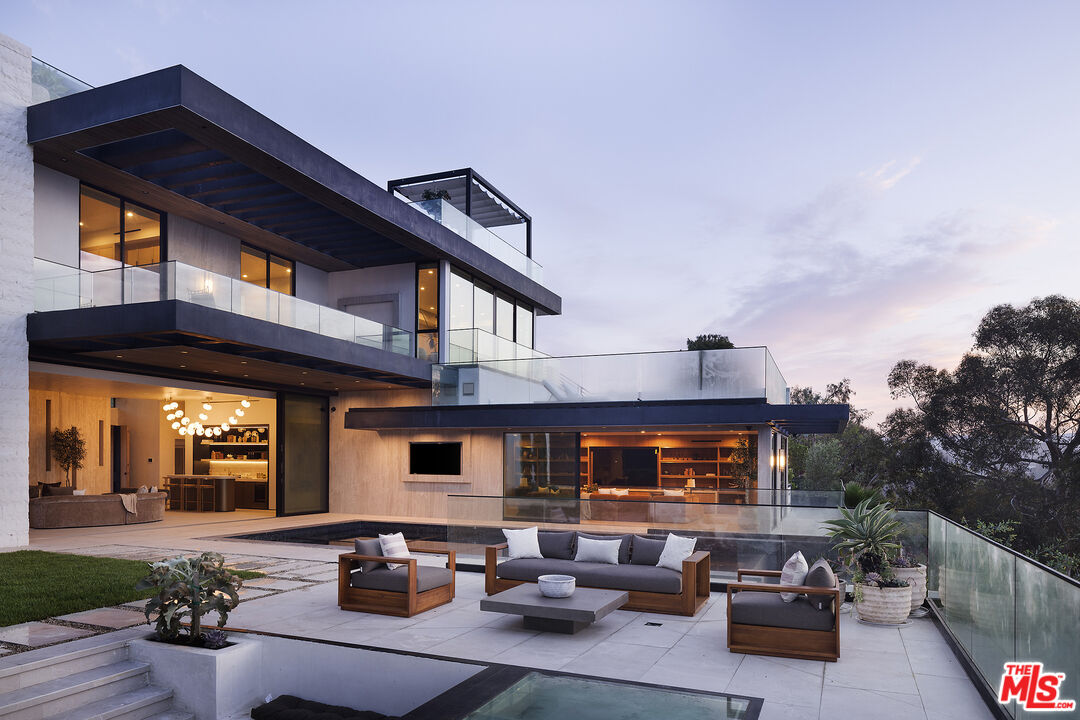
Two forces shape the upper end of the market. The first is the "spec mansion" era of the past decade, when developers turned Bel Air into the epicenter of speculative mega-mansion construction, building hyper-amenitized estates with commercial-grade bowling alleys, wraparound infinity pools, private nightclubs, and curated art collections. The second is the privacy premium: properties that disappear entirely behind gates and foliage, invisible from the canyon roads, command a meaningful price advantage precisely because that invisibility is the product.
Because Bel Air developed over the course of a century, its homes read almost like a timeline of evolving luxury taste. Three broad eras dominate:
Era / Style | Defining Features | Aesthetic |
|---|---|---|
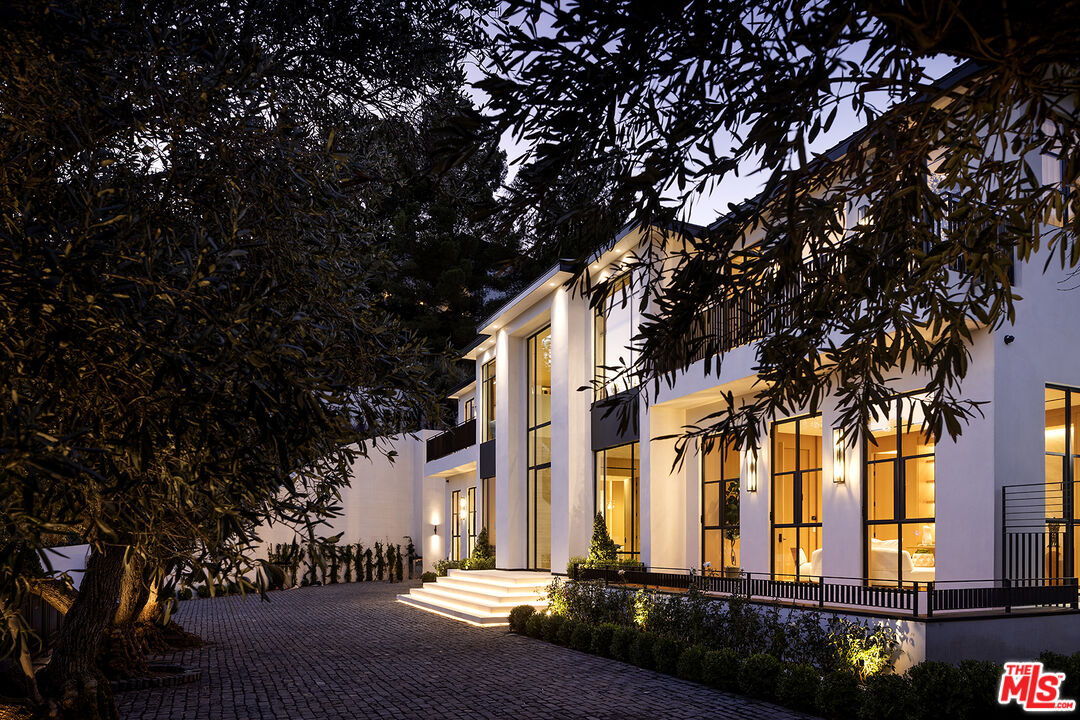
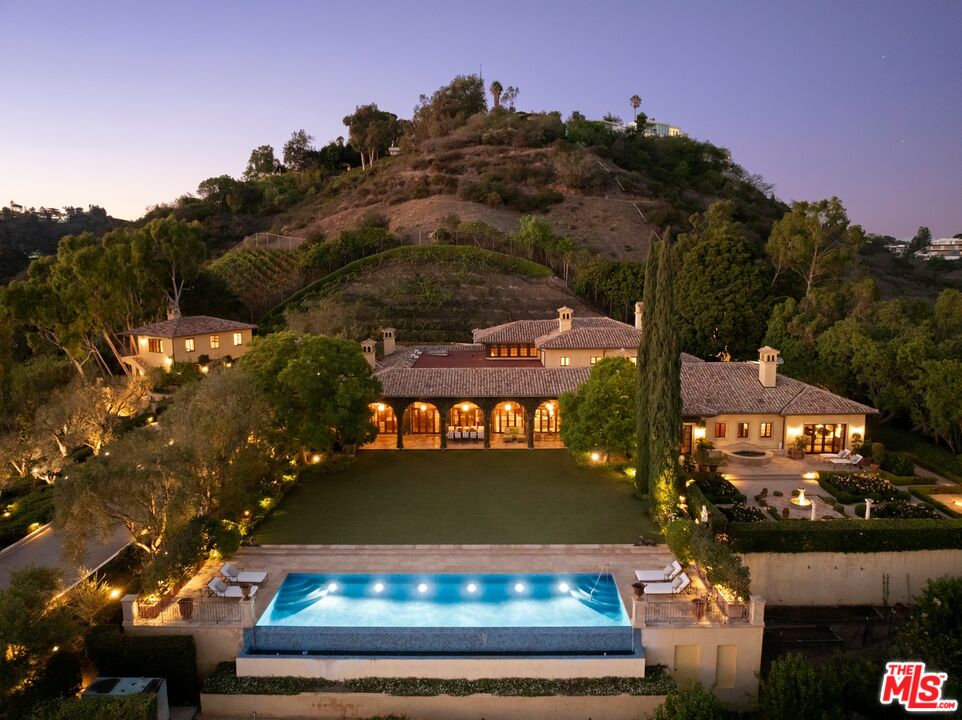
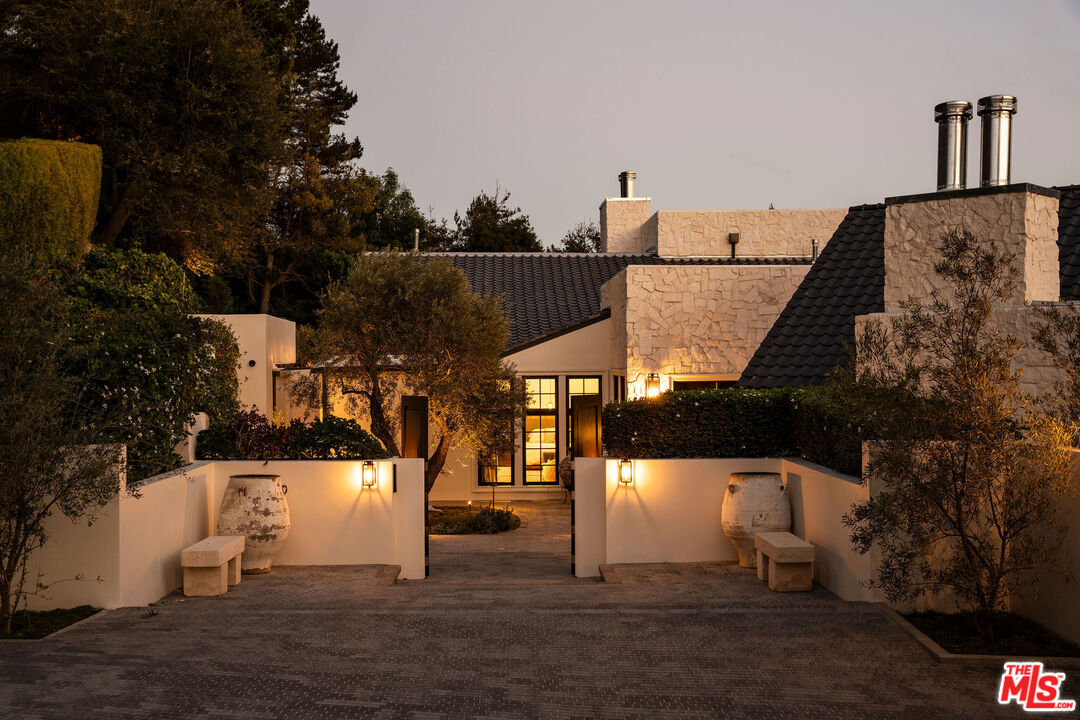
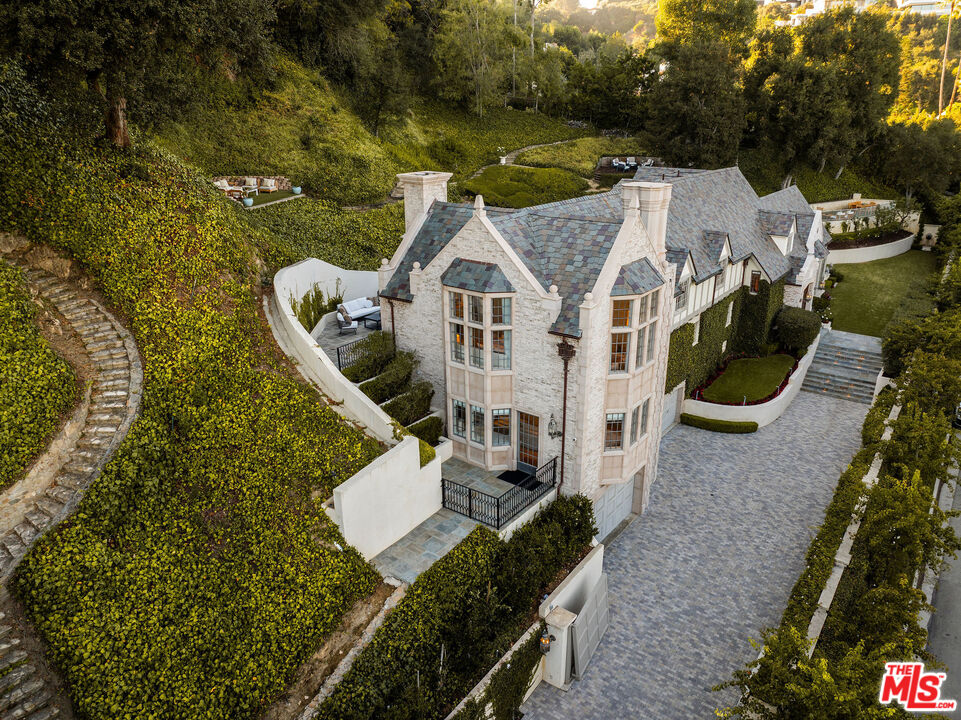
Traditional & Revival (1920s–40s) | Spanish Colonial, Tudor, French neoclassical; limestone, wrought iron, formal gardens | Stately, old-money elegance |
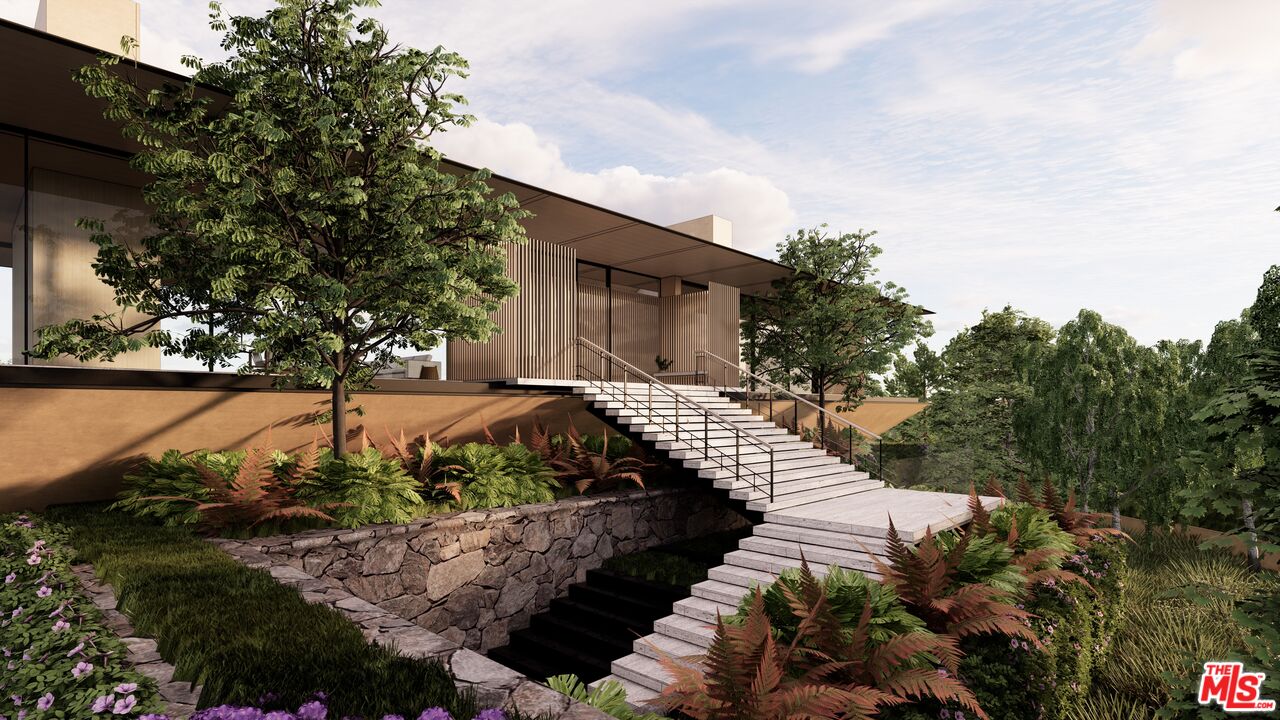
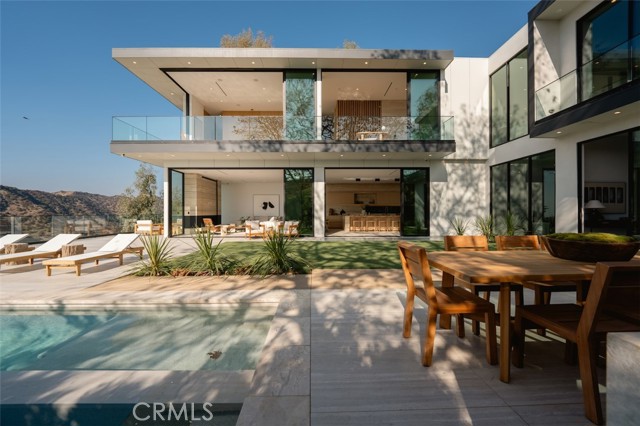
Mid-Century Modern (1950s–70s) | Post-and-beam, flat rooflines, floor-to-ceiling glass, indoor-outdoor living | Understated, blended into the hills |
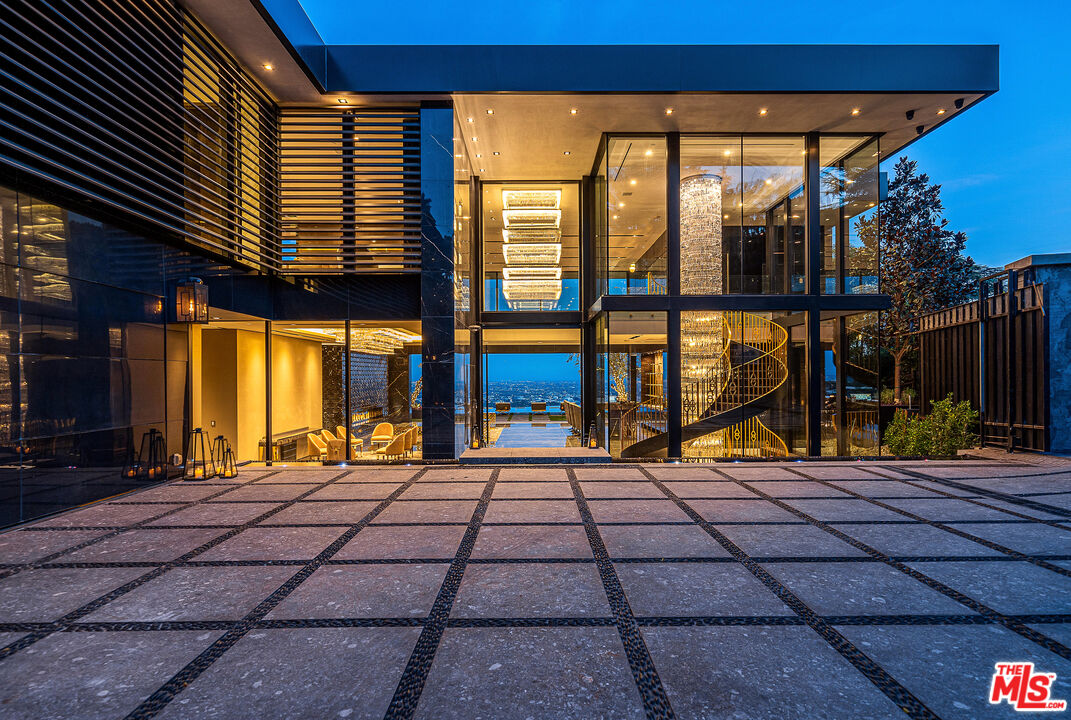
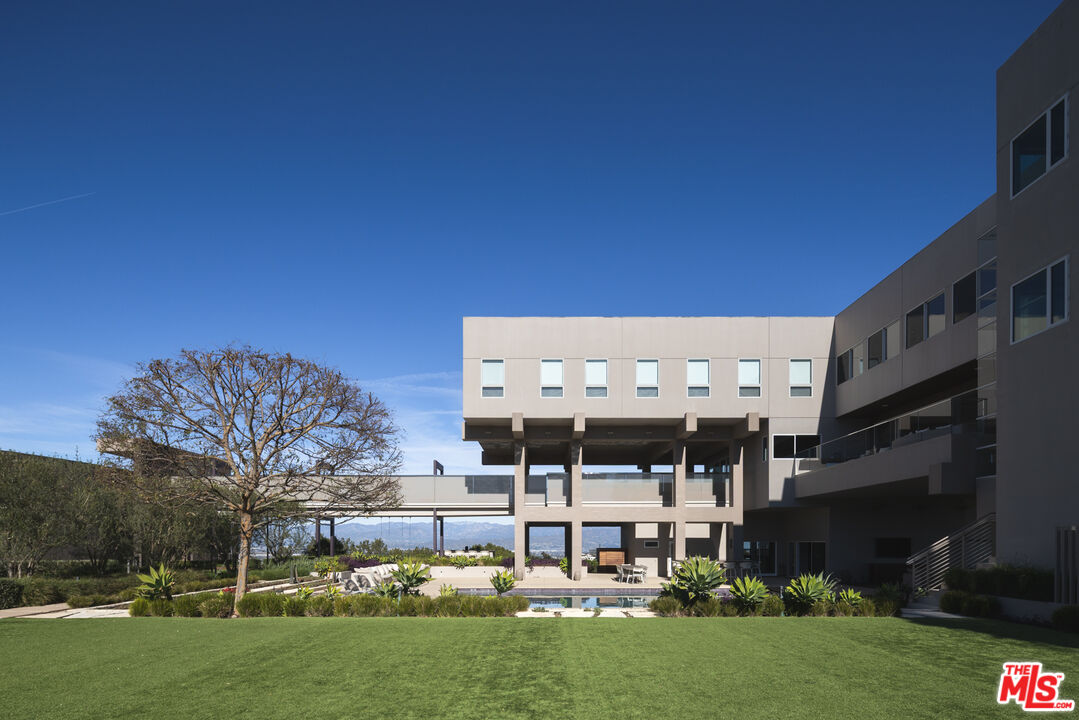
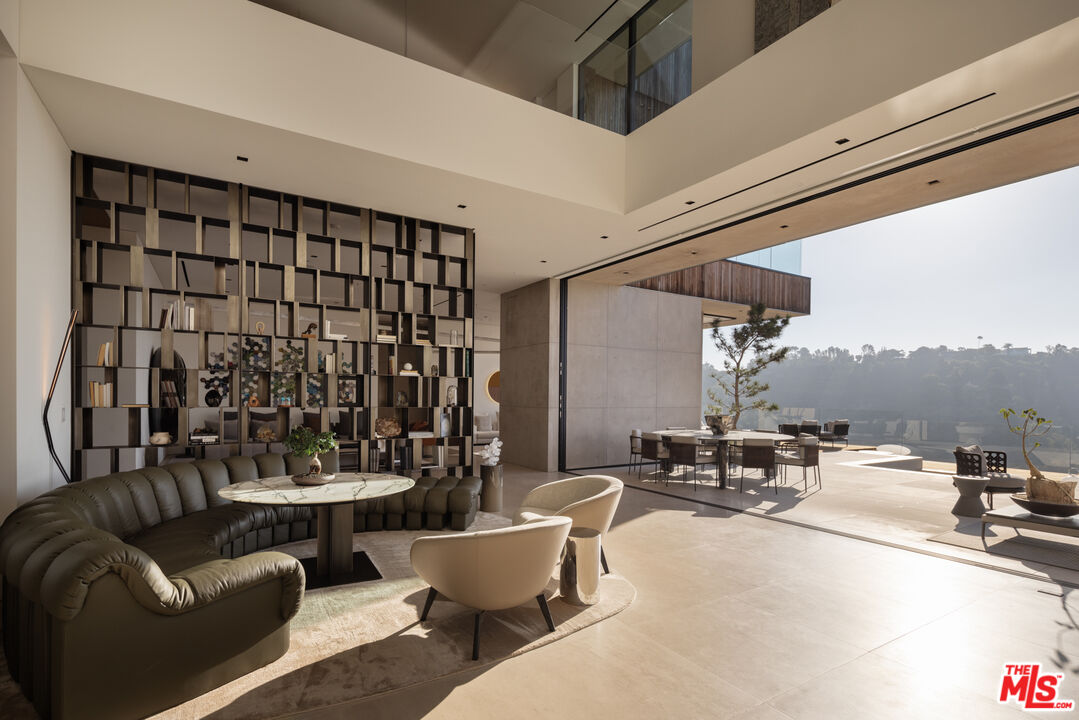
Contemporary Ultra-Modern (2010s–present) | Stark facades, geometric concrete, disappearing glass walls, infinity-edge water features | Bold, view-driven |
Two estates capture the extremes of this spectrum. The Chartwell Estate, often called the crown jewel of Old Bel Air, is a 25,000-square-foot French neoclassical mansion built in 1933 by architect Sumner Spaulding, recognizable to many as the Clampett home from The Beverly Hillbillies. Set on more than 10 acres with a 12,000-bottle wine cellar and ocean views, it sold in late 2019 for roughly $150 million, one of the priciest residential sales in California history.
At the opposite pole stands "The One," Paul McClean's 105,000-square-foot contemporary colossus on a flattened hilltop with 360-degree views. With 21 bedrooms, a 30-car garage, a 40-seat theater, a nightclub, and five pools, it ranks among the largest private homes in the world. After its developer's bankruptcy, it sold at auction in 2022 for $141 million.
The single defining trait of life in Bel Air is seclusion. Where other luxury LA neighborhoods center on a commercial strip or a beach scene, Bel Air is a residential sanctuary carved into the mountains, and its layout rejects the city grid entirely. Roads twist along deep canyons and crests, sidewalks are largely absent, and homes sit far back from the street behind hedges and gates.
This means Bel Air is, by design, non-walkable. Daily errands require driving down to the city flats. Residents tend to regard this not as an inconvenience but as a feature, since the lack of foot traffic keeps tourists out and quiet in.
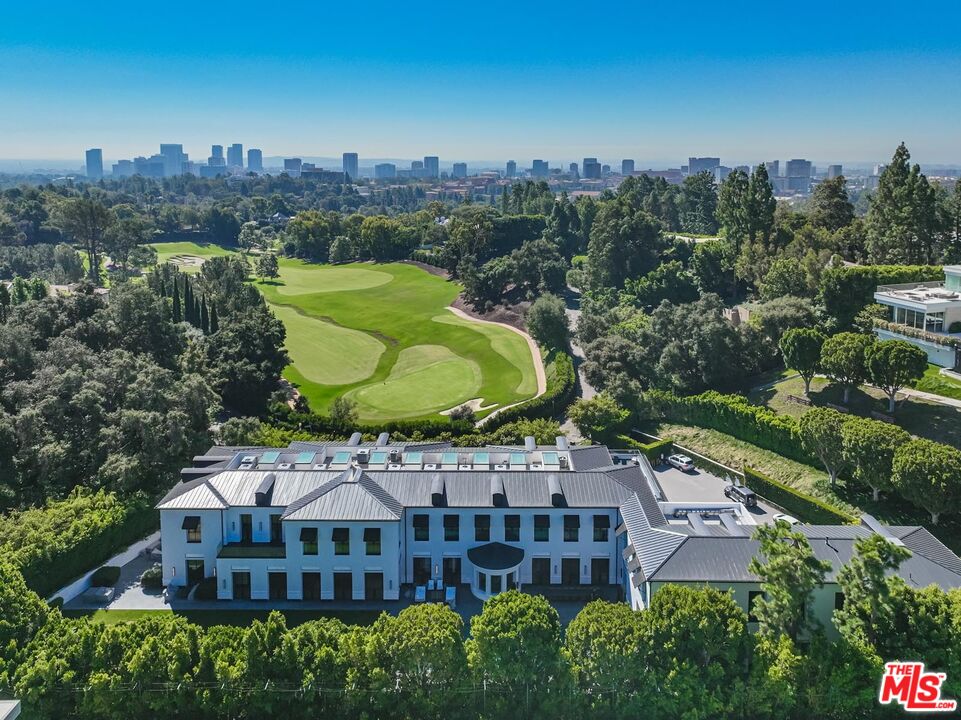
Social life, such as it is, orbits two institutions. The Bel-Air Country Club is a fiercely private golf and tennis club threading through the lower canyons. And the Hotel Bel-Air, tucked deep in a canyon with its famous swan lake and 12 acres of gardens, functions as the neighborhood's living room, a gathering place for residents, celebrities, and power brokers alike. The overall atmosphere is refined, hushed, and deeply private, all of it just minutes from the energy of the Westside.
Families in Bel Air have access to strong educational options on both the private and public sides, though given the area's wealth, most residents lean toward the prestigious independent academies clustered along the mountains and Mulholland Drive.
Within Bel Air itself sits the John Thomas Dye School (K–6), one of the most exclusive independent elementary schools in Los Angeles, known for its traditional academics and intimate campus. Just north along Mulholland is The Mirman School (K–8), dedicated specifically to highly gifted children. Residents are also within easy reach of other elite Westside institutions, including The Buckley School in Sherman Oaks, Brentwood School, and Harvard-Westlake in Studio City.
On the public side, Bel Air falls within the Los Angeles Unified School District. Roscomare Road Elementary, set deep in Upper Bel Air, is a highly regarded public school noted for strong parental involvement and academic results. The zone also feeds into Emerson Middle School in Westwood and University High School Charter in West LA. And of course, the neighborhood sits immediately north of UCLA, one of the world's premier research universities, woven directly into Bel Air's southern edge.
Bel Air's strict residential zoning means there is almost no commercial activity within its borders, which gives its dining scene an unusual shape. There is exactly one restaurant inside the gates: The Restaurant at Hotel Bel-Air, run in partnership with Wolfgang Puck, with a Mediterranean-inspired garden patio that serves as the discreet setting for power breakfasts, afternoon teas, and elegant dinners.
For everything else, residents take the canyon roads down to the surrounding neighborhoods. To the west, just across the 405 along San Vicente, Brentwood offers upscale-casual staples like Toscana, Baltaire, and Coral Tree Cafe. To the east, Beverly Hills is five to ten minutes away and brings the heavyweight fine-dining names: Spago, The Polo Lounge, and Il Pastaio. And up at the northern crest along Beverly Glen, The Glen Centre gives Upper Bel Air residents relaxed local favorites like Fabrocini's and a neighborhood bar and grill.
As with dining, there are no grocery stores, gas stations, or strip malls inside Bel Air proper, so residents rely on the commercial hubs just past the gates. For everyday essentials, the boutique Glen Market at the northern crest handles quick runs and gourmet deli items, while Whole Foods and Ralphs in Westwood Village serve Lower Bel Air. In Brentwood, the historic independent grocer Vicente Foods is a longtime favorite for its premium selection and white-glove service, popular with residents and estate staff alike.
For retail, three districts sit within easy reach. Westwood Village, directly south across Sunset, covers pharmacies, banks, and casual shopping. The Brentwood Country Mart offers rustic-chic boutiques, luxury home goods, and organic eateries a short drive west. And for designer fashion, residents head east to Rodeo Drive or southeast to Westfield Century City, an expansive open-air mall anchored by Nordstrom and Bloomingdale's.
Bel Air trades traditional public lawns and playgrounds for something rarer: direct access to genuine wilderness. The neighborhood borders some of the largest natural preserves in the Santa Monica Mountains. Getty View Park, on the western edge, offers steep trails climbing above the 405 with panoramic views stretching to the Pacific. Nearby, the Hoag Canyon and Getty Ridge area draws hikers, trail runners, and dog owners into native chaparral and dramatic ridgelines.
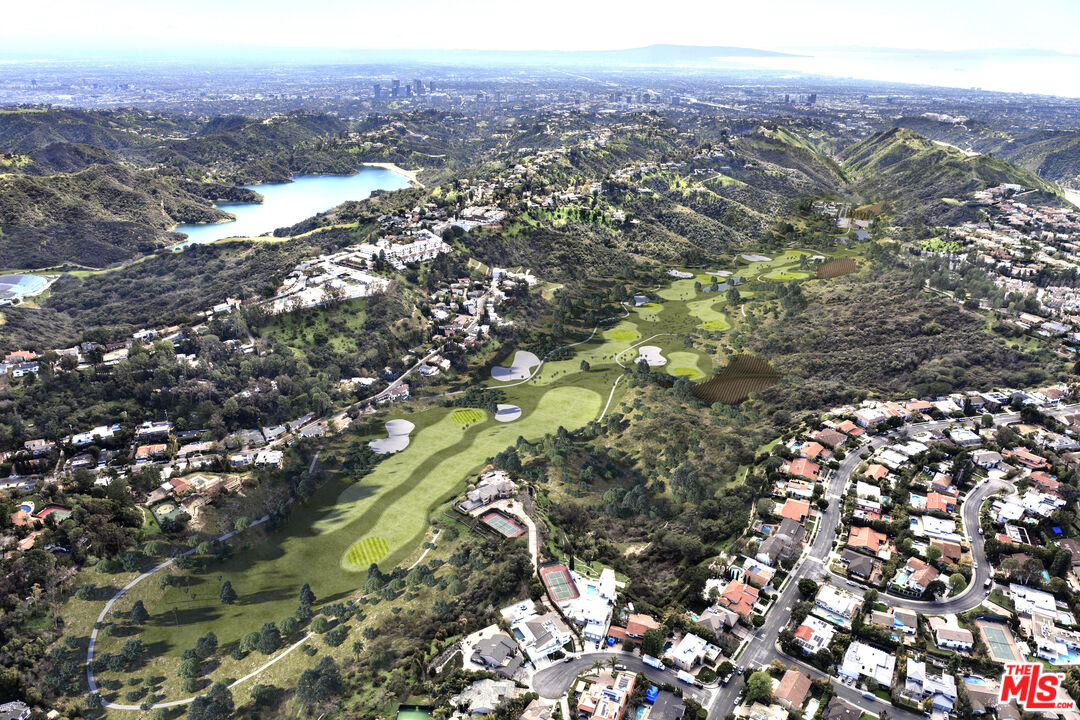
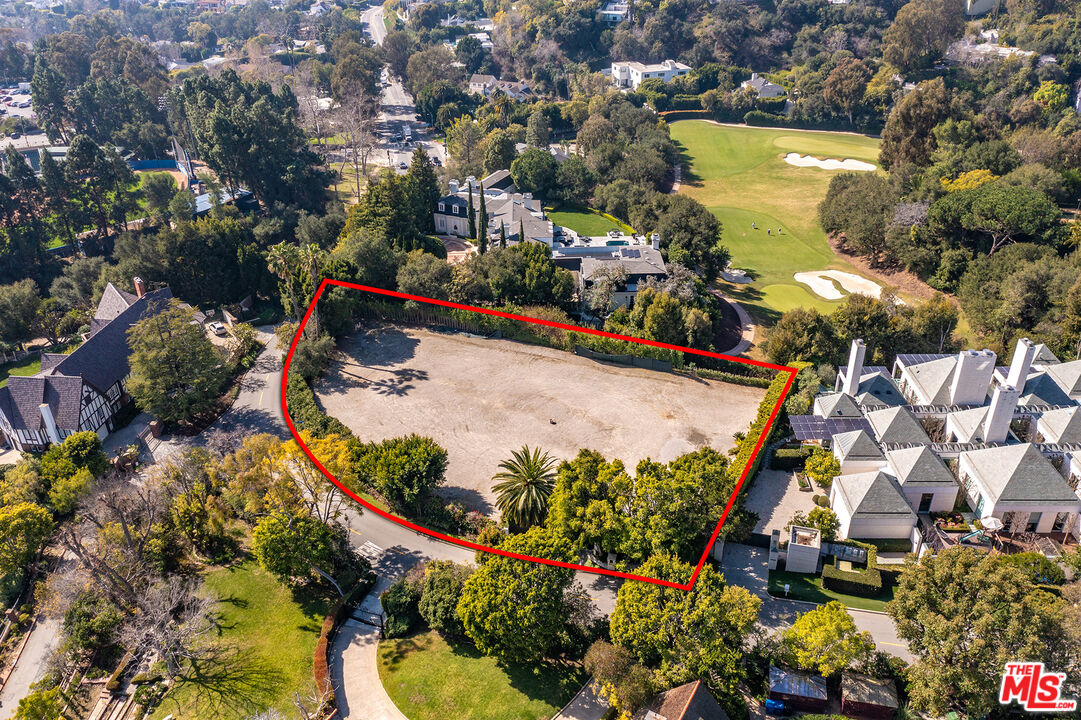
At the geographic heart of the neighborhood sits Stone Canyon Reservoir, built in the 1920s to secure the Westside's water supply. Fully fenced and closed to the public, it serves not as a recreation area but as a serene visual centerpiece for many Upper Bel Air estates. For active recreation within the gates, the primary outlet remains the Bel-Air Country Club, whose golf course winds through the lower canyons across swinging suspension bridges and tunnels framed by hillside mansions.
Tour buses are barred from Bel Air's narrow private roads, yet the neighborhood holds several landmarks of real cultural weight. The Hannah Carter Japanese Garden, built between 1959 and 1961, is widely regarded as one of the finest authentic Japanese gardens in North America. Inspired by the gardens of Kyoto, its structures, stone carvings, and bridges were built in Japan and shipped to Los Angeles, surrounding a tea house, an antique storehouse, and a tranquil koi pond.
The Bel Air Gates themselves are landmarks in their own right. The East Gate at Sunset and Bel Air Road and the West Gate at Sunset and Bellagio Road, with their white stone archways and ironwork, have marked the entrance into Los Angeles high society for over a century. And just beyond the western boundary on its own hilltop, the Getty Center, Richard Meier's billion-dollar travertine museum complex, is visible from homes across the neighborhood and effectively part of Bel Air's visual identity.
Transportation in Bel Air revolves almost entirely around the private vehicle. The neighborhood's geography prioritizes seclusion over connectivity, but its position along major arteries keeps it well-placed. The 405 Freeway runs directly along the western border, offering access north into the Valley and south toward LAX, roughly 10 to 15 miles away. Sunset Boulevard along the southern edge links residents to Brentwood, Santa Monica, and Beverly Hills.
Driving within Bel Air is a different experience entirely, requiring patience on narrow, steep, twisting two-lane roads like Bel Air Road, Roscomare Road, and Beverly Glen. Commute times swing widely with the hour: a trip to UCLA or Brentwood can take under 10 minutes in light traffic, while reaching downtown LA at rush hour can stretch to 45 to 75 minutes.
Walkability is effectively zero, with no grid sidewalks or commercial clusters, and public transit does not enter the gates. The nearest bus lines run along the peripheral borders on Sunset and Beverly Glen. For residents and staff alike, a car is not optional.
When ultra-high-net-worth buyers choose Bel Air over Beverly Hills or Malibu, the decision usually comes down to three things.
The first is privacy and security. Where Beverly Hills features open street grids and tourist corridors, Bel Air is engineered to conceal its residents behind dense landscaping, electronic gates, and sophisticated security systems. With tour buses kept out of the hillside streets, high-profile figures can come and go without running a gauntlet of paparazzi.
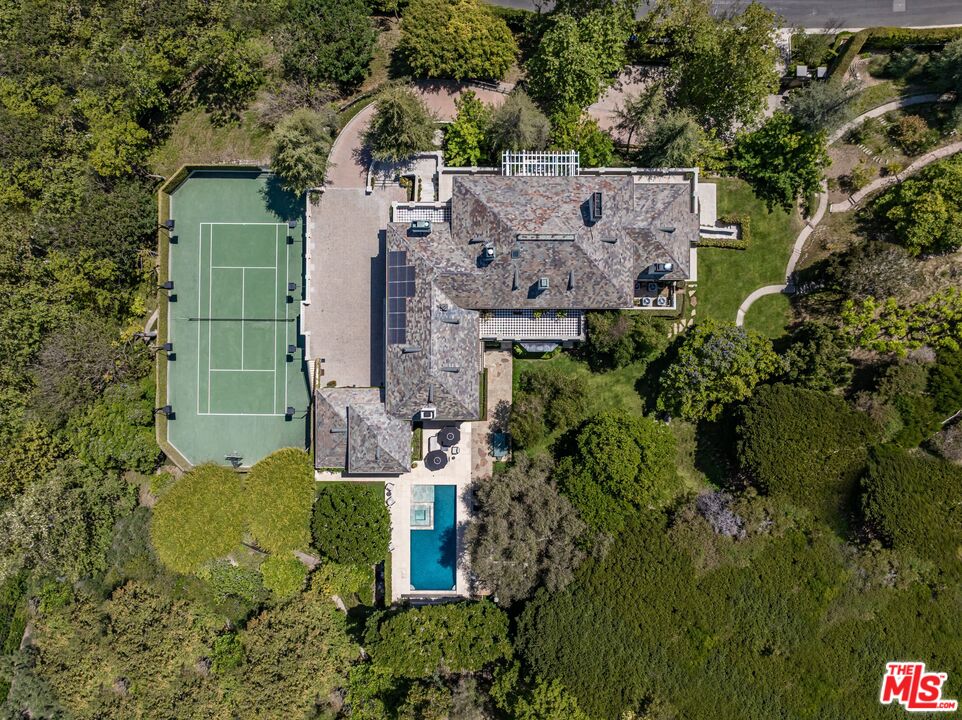
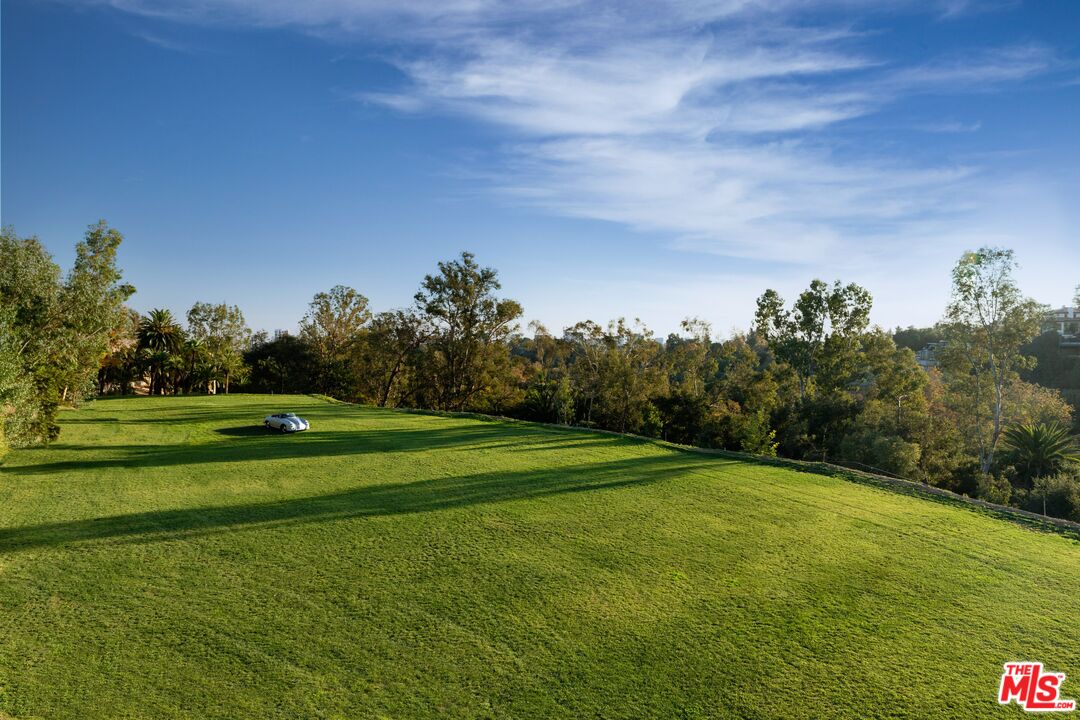
The second is acreage. The steep topography allows for massive terraced parcels that are nearly impossible to find on flatter LA ground, providing the literal footprint required for 20,000- to 100,000-square-foot compounds with their pools, guest houses, and tennis courts.
The third is long-term value. Buildable land in Bel Air is effectively finite, with virtually every usable plot already developed. That permanent cap on supply, paired with constant global demand, has historically allowed Bel Air properties to hold or appreciate in value even through broader downturns.
Buying or selling in Bel Air is unlike navigating any other market, and the most consequential opportunities here are rarely the ones you find listed publicly. That is where having the right representation matters most.
The Umansky Team, led by founder and CEO Mauricio Umansky alongside Farrah Brittany, Eduardo Umansky, and Sharon Umansky Benton, is one of the most successful real estate teams in the country, with more than $5 billion in total sales volume and a long track record at the highest end of the Los Angeles market. Operating as part of The Agency, the team brings deep local knowledge, discreet access to off-market estates, and a client-first approach that treats every buyer and seller like family.
If you are considering a move into Bel Air, or weighing what your current property could command in today's market, the team is ready to help you navigate it with clarity and confidence. Reach The Umansky Team at 424.230.3701 or [email protected], or visit them at 331 Foothill Rd, Suite 100, Beverly Hills, CA 90210.
There's plenty to do around Bel-Air, including shopping, dining, nightlife, parks, and more. Data provided by Walk Score and Yelp.
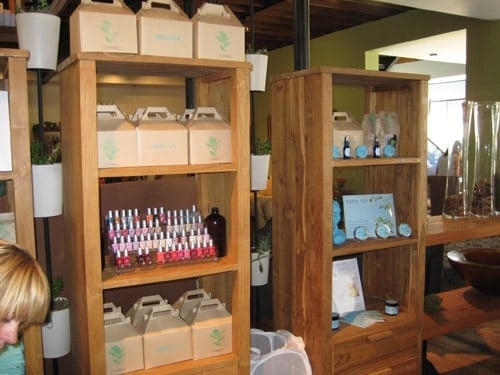
Explore popular things to do in the area, including Rhone Rangers, Progenesis, and See's Candies.
| Name | Category | Distance | Reviews |
Ratings by
Yelp
|
|---|---|---|---|---|
| Dining | 2.06 miles | 0 reviews | 0/5 stars | |
| Dining | 2.44 miles | 0 reviews | 0/5 stars | |
| Dining | 2.86 miles | 2 reviews | 5/5 stars | |
| Shopping | 2.19 miles | 1 review | 1/5 stars | |
| Shopping | 2.86 miles | 0 reviews | 0/5 stars | |
| Active | 2.12 miles | 0 reviews | 0/5 stars | |
| Active | 2.12 miles | 0 reviews | 0/5 stars | |
| Active | 2.12 miles | 0 reviews | 0/5 stars | |
| Active | 2.22 miles | 11 reviews | 4.6/5 stars | |
| Active | 2.57 miles | 1 review | 5/5 stars | |
| Active | 2.68 miles | 1 review | 5/5 stars | |
| Active | 2.86 miles | 0 reviews | 0/5 stars | |
| Nightlife | 2.79 miles | 0 reviews | 0/5 stars | |
| Beauty | 1.81 miles | 0 reviews | 0/5 stars | |
| Beauty | 2.12 miles | 18 reviews | 5/5 stars | |
| Beauty | 2.12 miles | 2 reviews | 5/5 stars | |
| Beauty | 2.41 miles | 0 reviews | 0/5 stars | |
| Beauty | 2.47 miles | 0 reviews | 0/5 stars | |
| Beauty | 2.75 miles | 0 reviews | 0/5 stars | |
| Beauty | 2.78 miles | 0 reviews | 0/5 stars | |
| Beauty | 2.8 miles | 0 reviews | 0/5 stars | |
| Beauty | 2.82 miles | 0 reviews | 0/5 stars | |
| Beauty | 2.86 miles | 7 reviews | 4.4/5 stars | |
|
|
||||
|
|
||||
|
|
||||
|
|
||||
|
|
||||
|
|
Bel-Air has 2,870 households, with an average household size of 2. Data provided by the U.S. Census Bureau. Here’s what the people living in Bel-Air do for work — and how long it takes them to get there. Data provided by the U.S. Census Bureau. 7,248 people call Bel-Air home. The population density is 1,323 and the largest age group is Data provided by the U.S. Census Bureau.
Total Population
Population Density Population Density This is the number of people per square mile in a neighborhood.
Median Age
Men vs Women
Population by Age Group
0-9 Years
10-17 Years
18-24 Years
25-64 Years
65-74 Years
75+ Years
Education Level
Total Households
Average Household Size
Average individual Income
Households with Children
With Children:
Without Children:
Marital Status
Blue vs White Collar Workers
Blue Collar:
White Collar: