47,826 people live in Encino, where the median age is 46 and the average individual income is $76,208. Data provided by the U.S. Census Bureau.
Total Population
Median Age
Population Density Population Density This is the number of people per square mile in a neighborhood.
Average individual Income
There's a particular quality of light in Encino on a late afternoon, the way it filters through century-old oak canopies onto quiet, curving streets. It's the kind of detail you only notice after spending real time here, and it captures something essential about the neighborhood: Encino is one of the oldest and most established communities in Los Angeles, a place where affluent suburban ease meets deep historical roots.
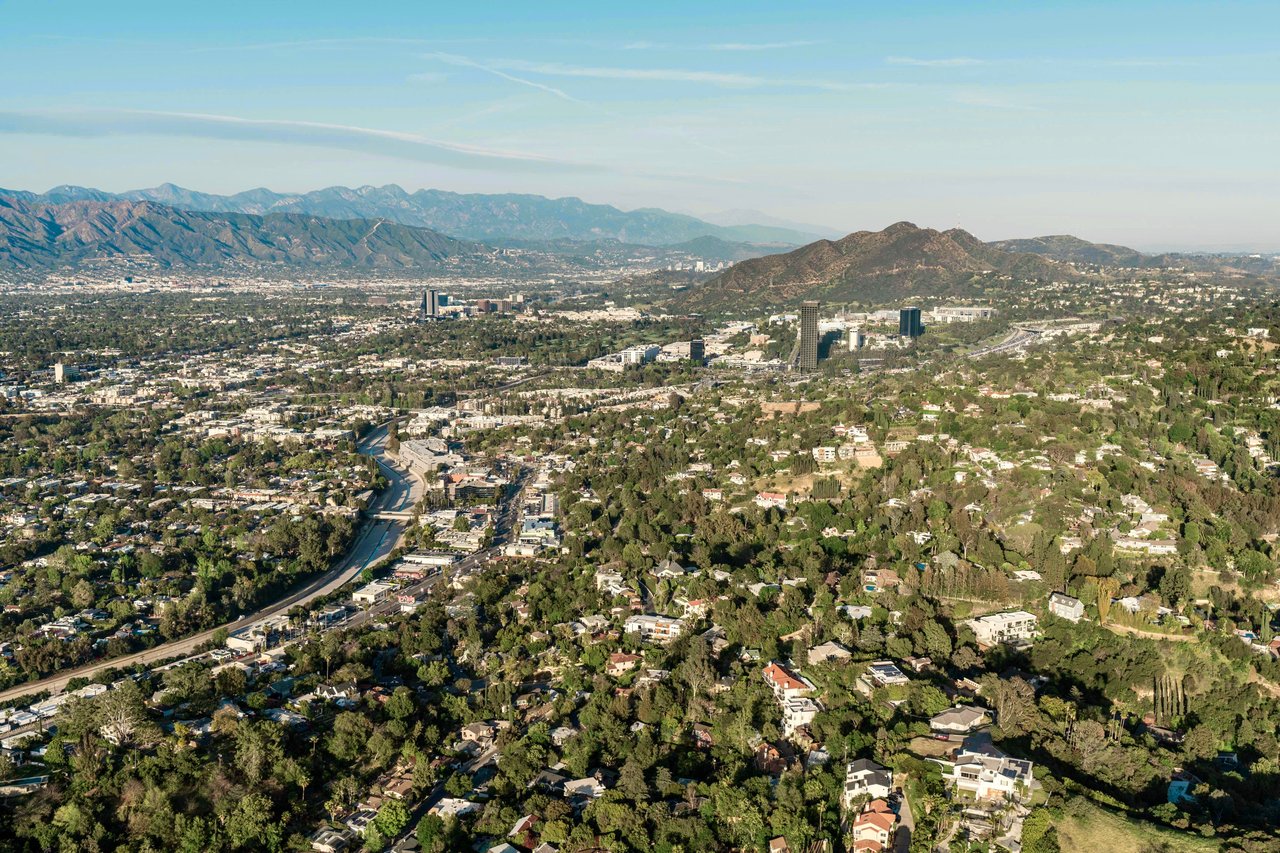
Tucked into the central-south San Fernando Valley against the northern slope of the Santa Monica Mountains, Encino offers what few LA neighborhoods can—genuine space. Sprawling lots, mature trees, and a pace that slows the moment you turn off Ventura Boulevard. For decades it has drawn people who want privacy without isolation, room to breathe without giving up proximity to the city's cultural and professional centers. Whether you're a family chasing top schools and a backyard, an entertainment professional looking for a gated retreat, or a Westside resident ready to trade square footage for sanity, Encino tends to reward a closer look.
Encino's story stretches across more than two centuries, and you can still read that history in the land itself. Long before Spanish arrival, the area was home to the Tongva (also called Gabrielino) people, who settled near the freshwater springs that made this stretch of the valley livable. Those same springs still flow today at Los Encinos State Historic Park.
In 1769, the Portolá expedition passed through and, struck by the massive native oaks blanketing the valley floor, named the place El Pueblo de las Encinas—encino being the Spanish word for "oak." The name stuck, and so did the trees. By 1845, Governor Pío Pico had granted 4,460 acres of former mission land to three Native American men; the property soon became a working cattle and sheep ranch under French immigrant Vincent de la Ossa, anchored around that historic spring.
The turn of the century brought developers, and by 1916 the great ranches were being carved into small farm plots. Encino became known for its walnut groves and citrus orchards—a rural pocket of an expanding city. Then Hollywood found it. Beginning in the 1930s, film stars like Clark Gable, and later figures such as Johnny Cash and Michael Jackson, bought up large estates here to escape the density of central LA. That legacy endures. Today Encino remains a premier residential hub defined by tree-lined streets, quiet neighborhoods, and a commercial corridor along Ventura Boulevard that hums with life.
Geography explains a lot about Encino's appeal. The neighborhood occupies the central-south San Fernando Valley, resting right against the foothills of the Santa Monica Mountains—which is why the terrain rises dramatically as you move south.
Its boundaries are worth knowing if you're house-hunting, because each edge tells you something about the surrounding communities:
What makes this location strategic is the crossroads at its core. Encino sits directly at the interchange of the US-101 (Ventura Freeway) and the I-405 (San Diego Freeway), two of the most important arteries in Southern California. That intersection is why Ventura Boulevard functions as the neighborhood's commercial spine and de facto high street, and why residents can reach the Westside, Downtown, or the studios of Burbank without ever traveling far to an on-ramp.
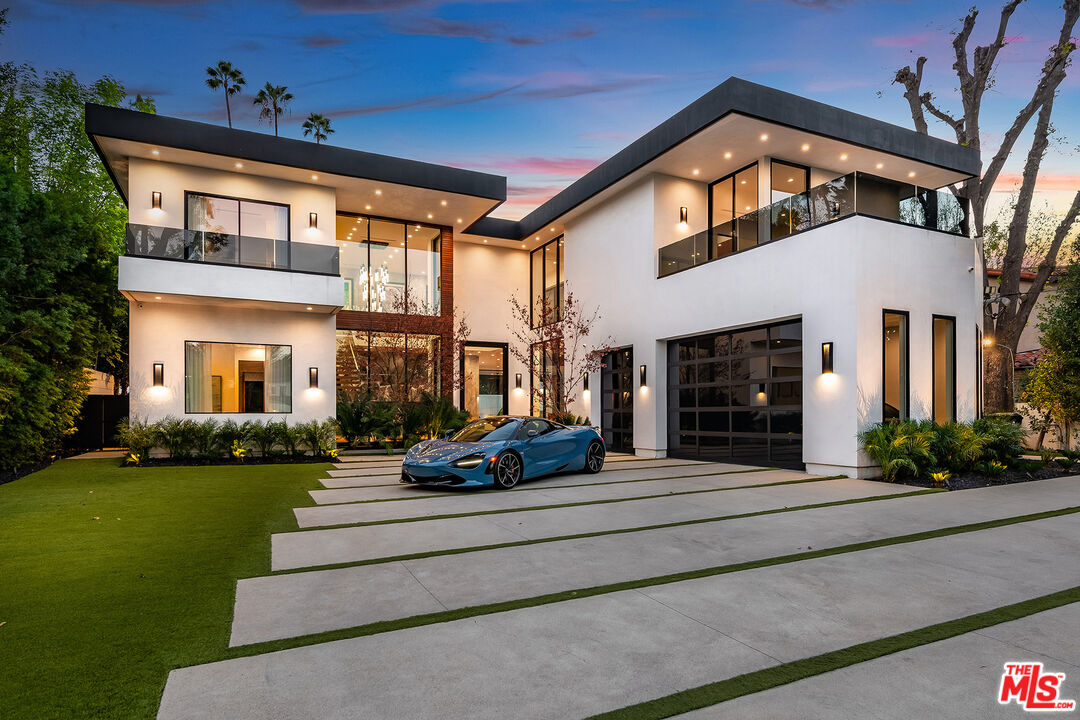
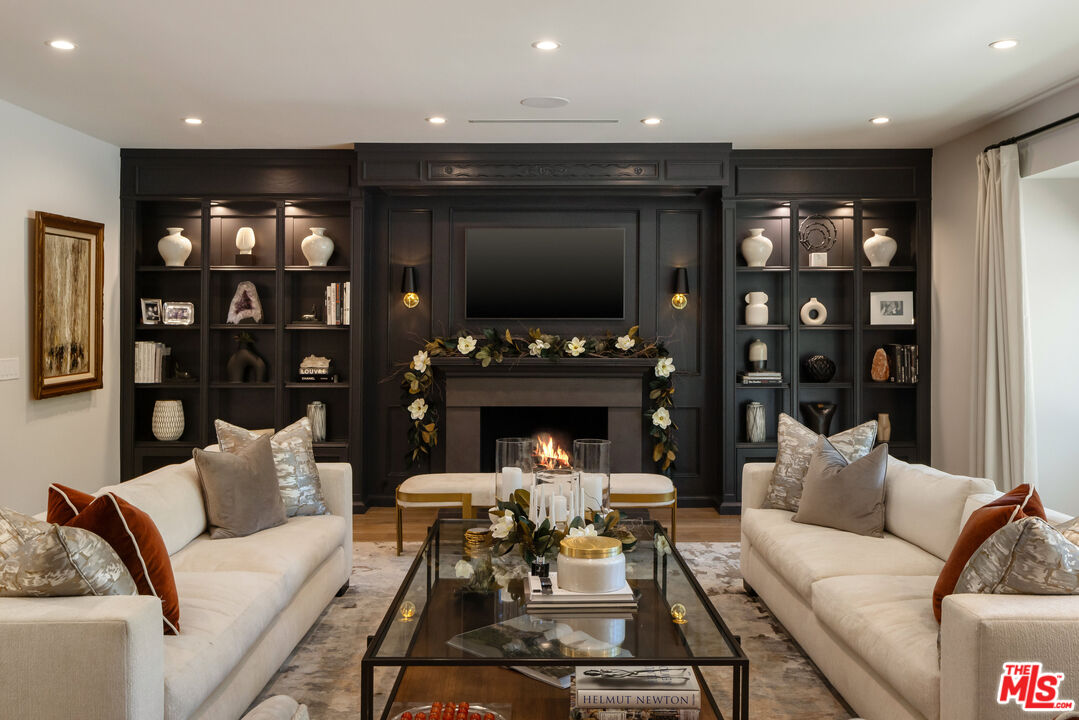
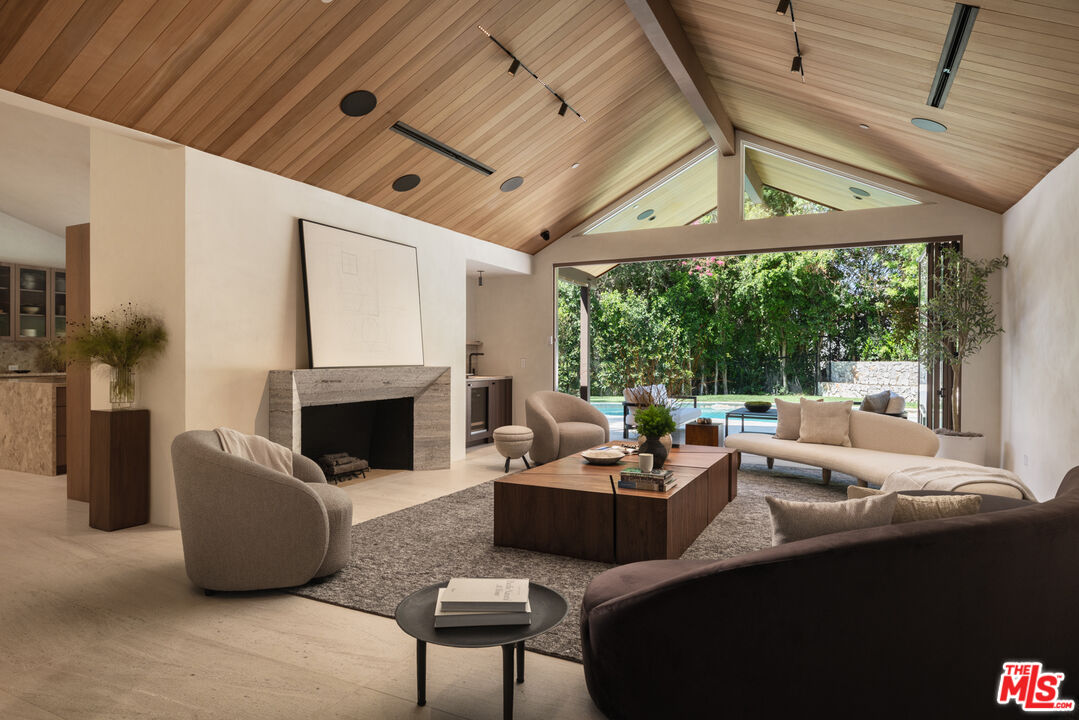
Encino is one of the premier luxury markets in the San Fernando Valley, and its housing stock reflects that range—sprawling single-family estates, sleek architectural new-builds, and mid-rise condominium complexes all coexist within its borders. For anyone weighing a move here, a few key indicators frame the current landscape:
Market Indicator | Typical Range | Context |
|---|---|---|
Median Sale Price | $1.5M – $1.7M | Across all home types (condos, townhomes, single-family) |
Median List Price | $2.0M – $2.1M | Pulled upward by high-end estates south of Ventura Blvd |
Price per Sq. Ft. | $700 – $820 | Varies with lot size, views, and level of renovation |
Days on Market | ~40 – 55 days | Balanced pace; sharp listings move fast, luxury takes longer |
The single most important thing to understand about Encino pricing is the divide that runs along Ventura Boulevard. It's less a line on a map than two distinct markets:
South of the boulevard, in zip code 91436, homes sit against the foothills. This is the land of gated estates, large lots, hillside views, and luxury single-family properties, where median list prices climb well above $3.5M. North of the boulevard, in zip code 91316, the market opens up considerably—starter single-family homes, townhouses, and condos create entry points that begin near $1.0M. Two buyers with very different budgets can both find a home in Encino; they'll simply be shopping on opposite sides of the same street.
Encino rewards buyers and sellers who understand its rhythms, and the right strategy depends heavily on which side of the transaction you're on.
For buyers, the most practical foothold sits below $1 million in the condos and townhomes along the Burbank Boulevard and White Oak corridors—a realistic way to plant roots in a neighborhood that otherwise skews expensive. Beyond price point, timing creates leverage. With active inventory giving buyers genuine options, homes that linger past the 45-day mark frequently see price adjustments, which opens room to negotiate on closing terms and repairs. It's also worth paying attention to location within Encino: properties near the I-405/US-101 interchange or inside the most sought-after school boundaries tend to command a premium and hold their value tightly over time.
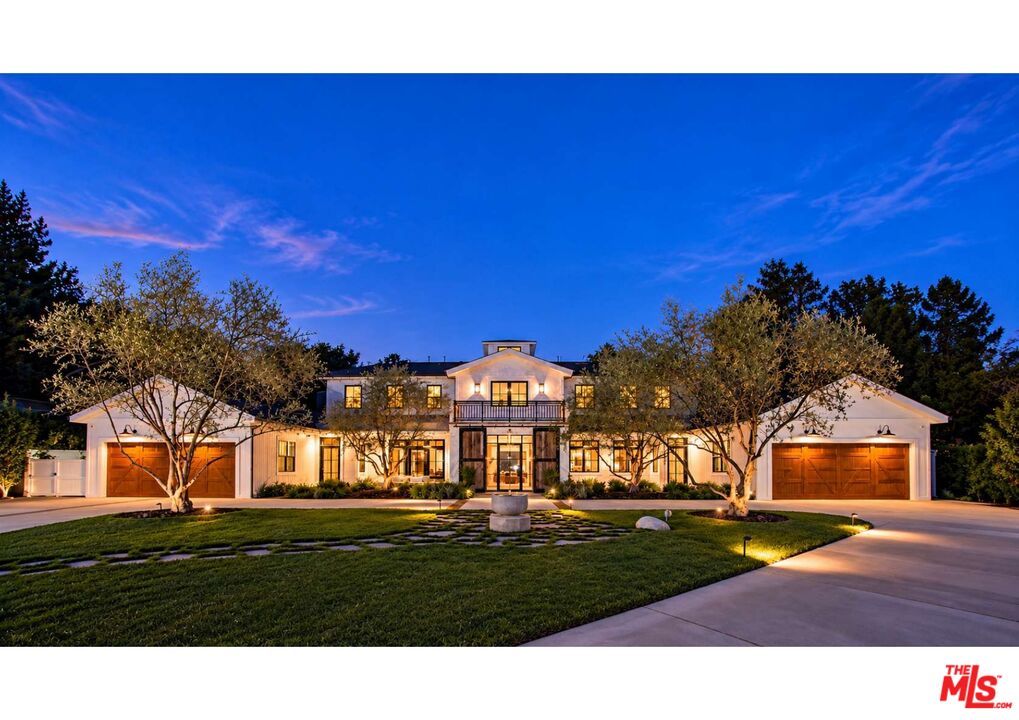
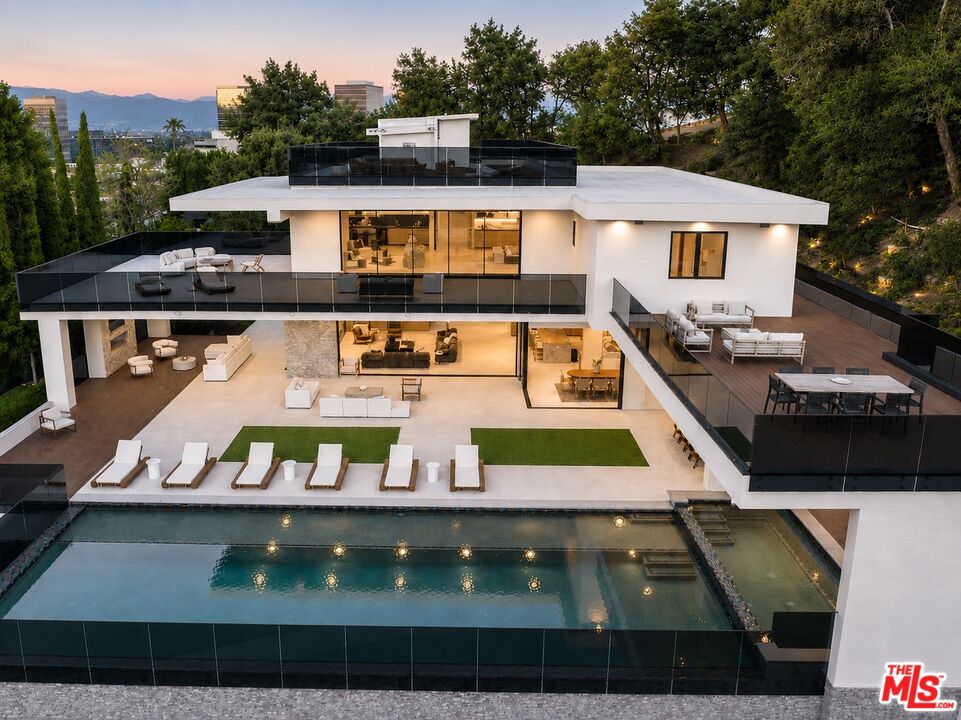
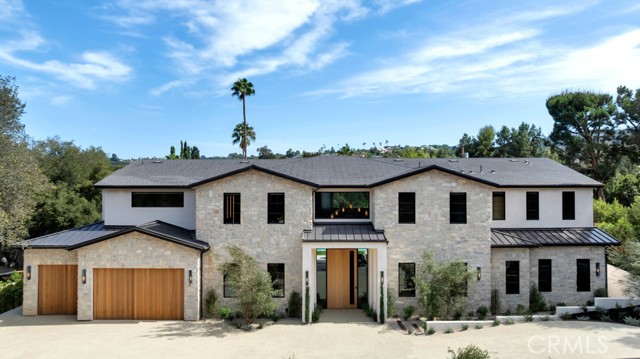
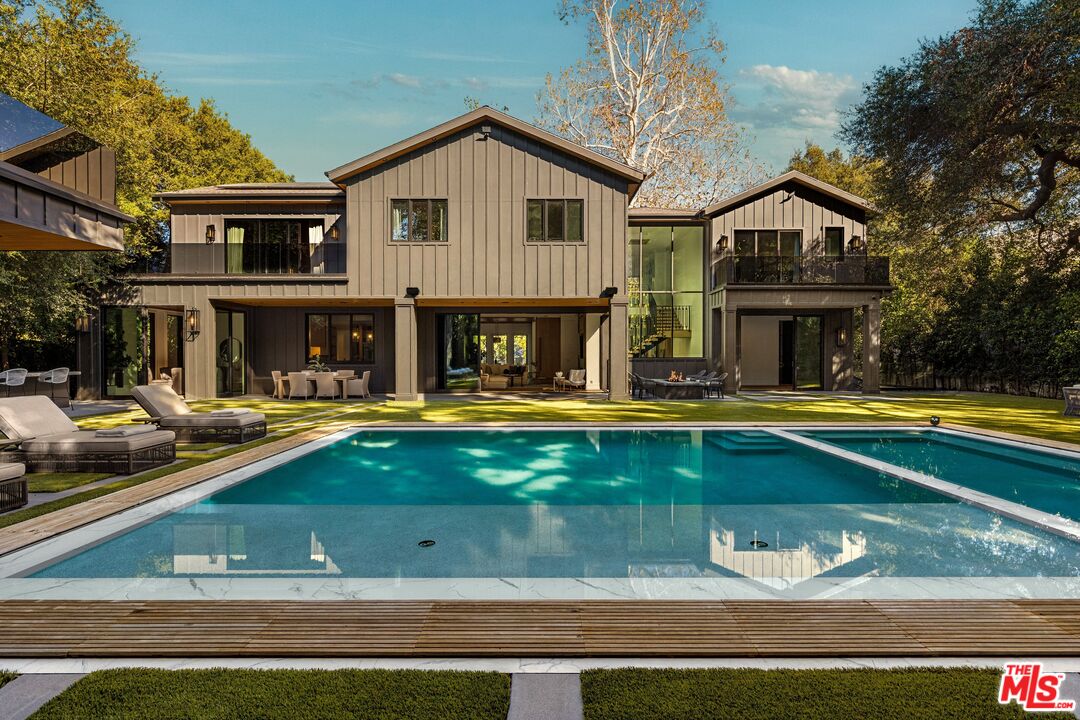
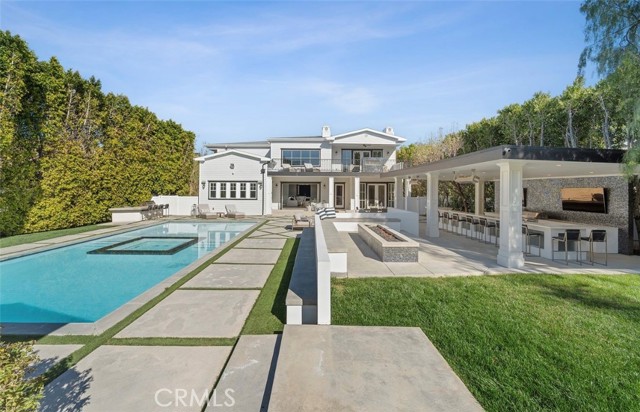
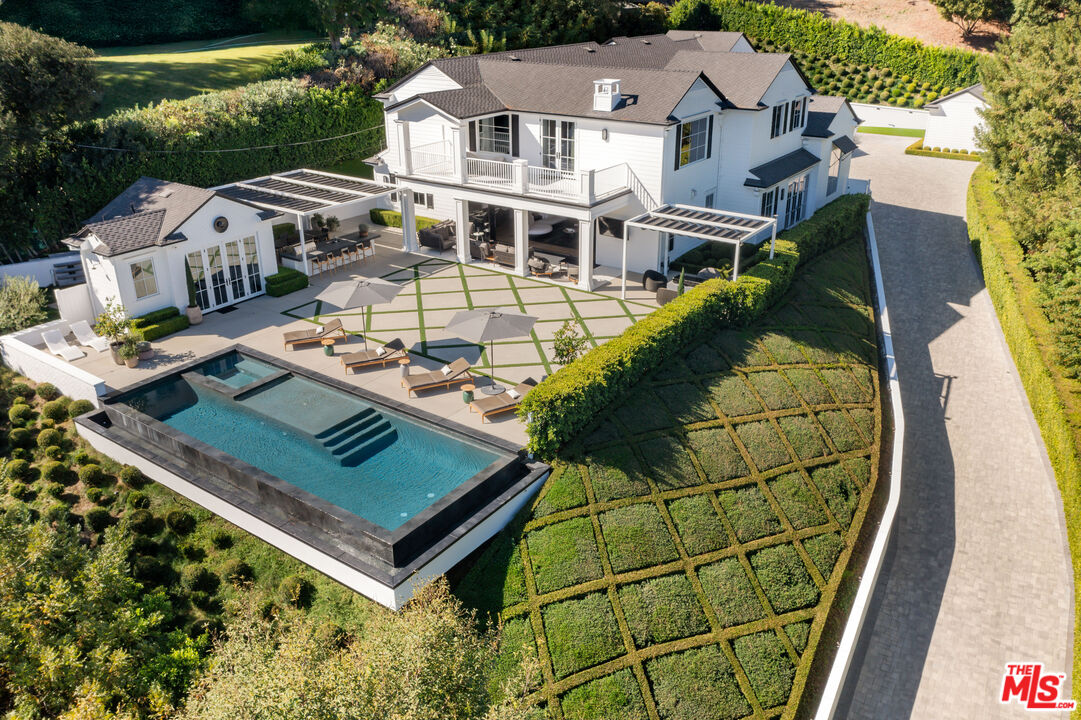
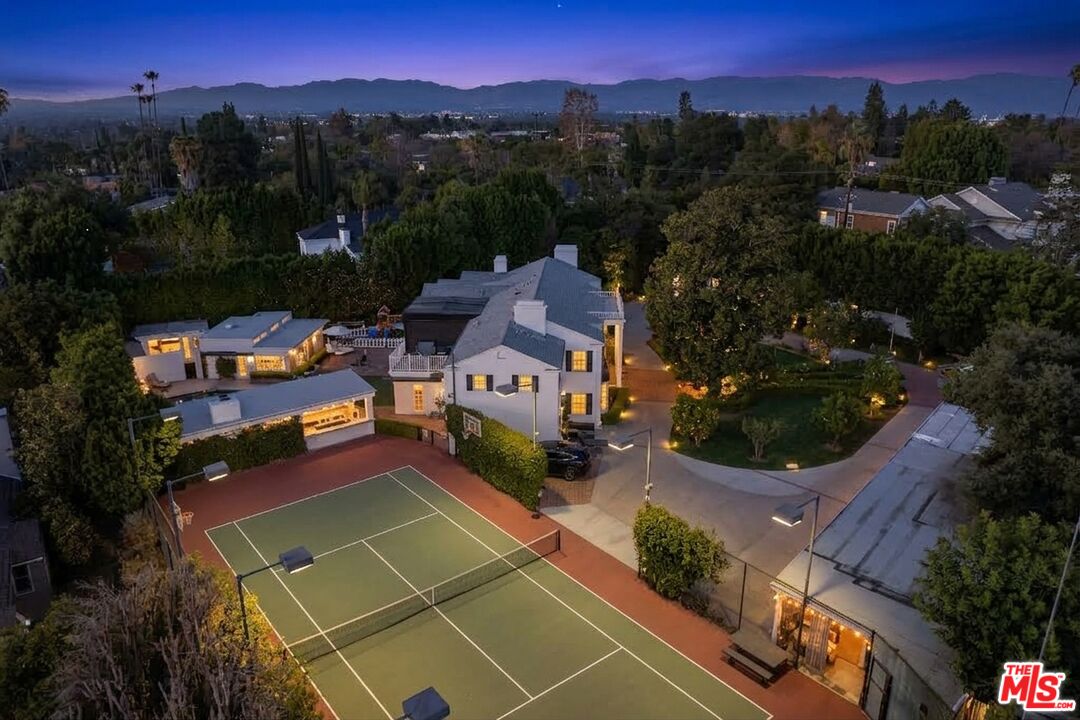
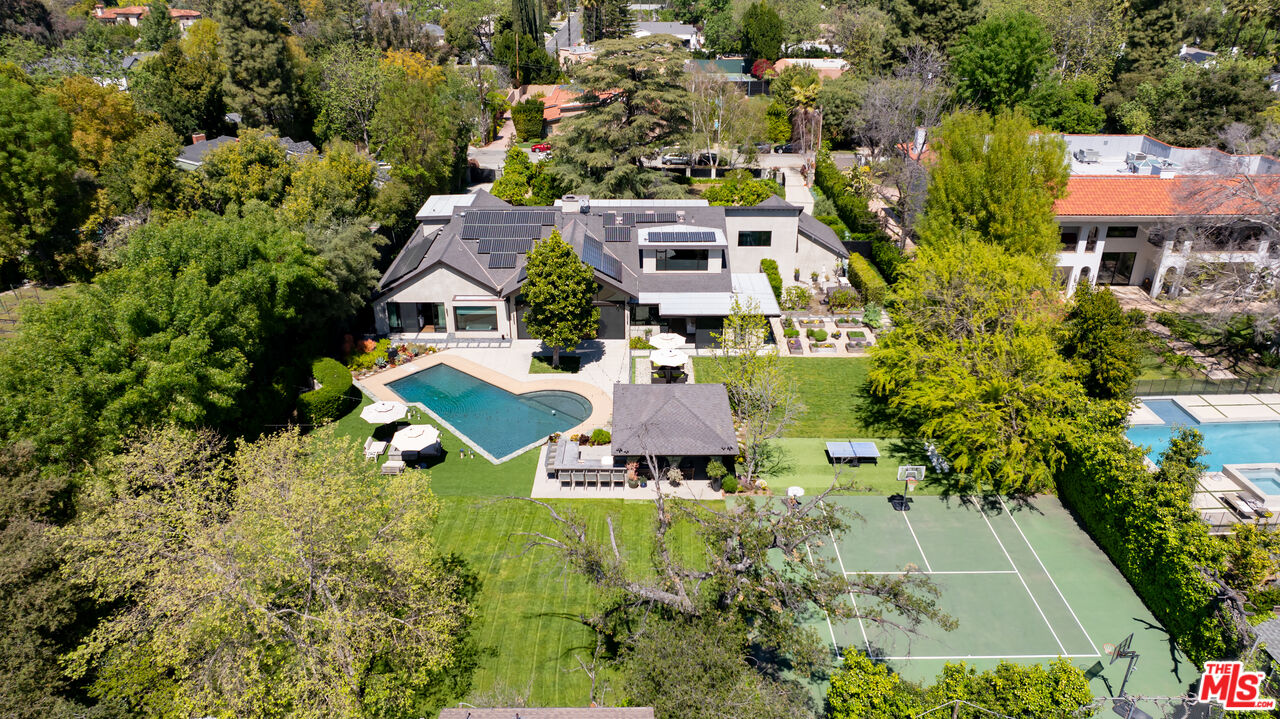
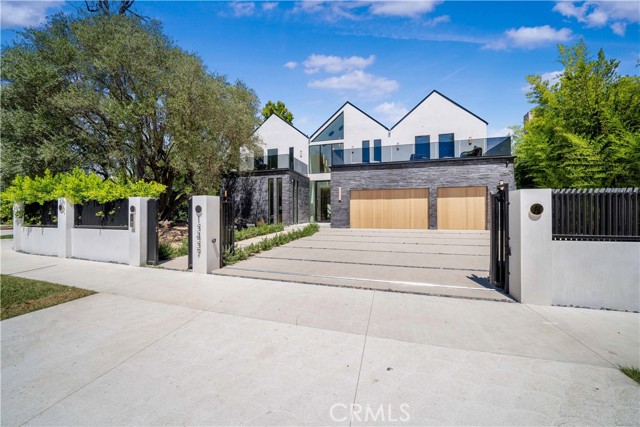
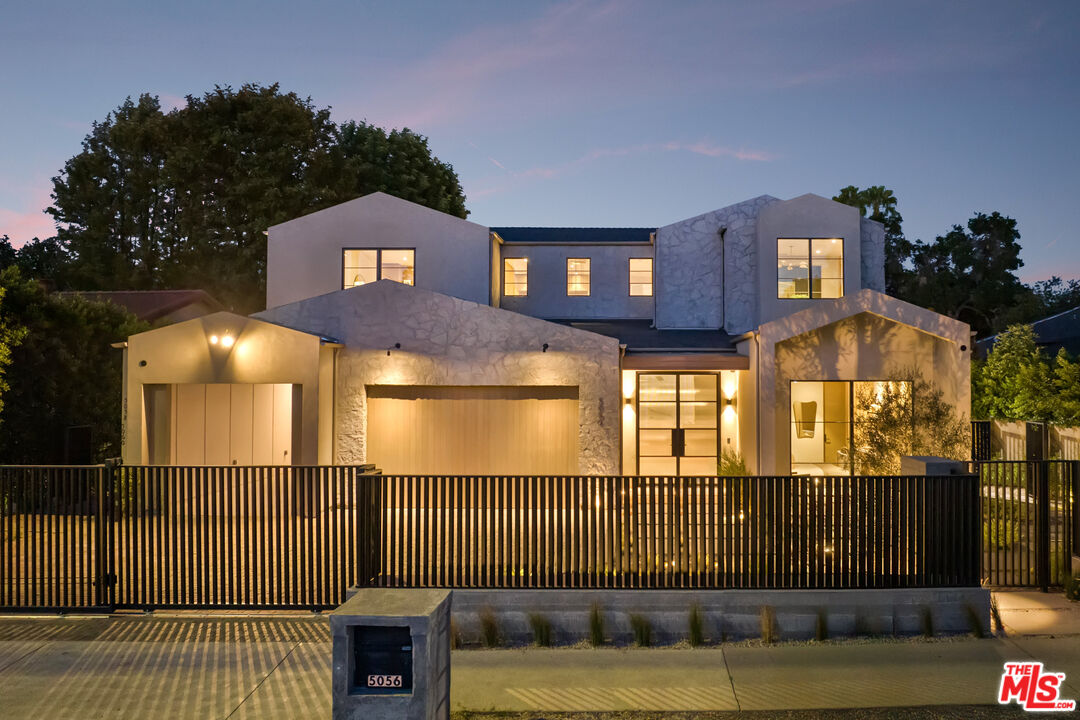
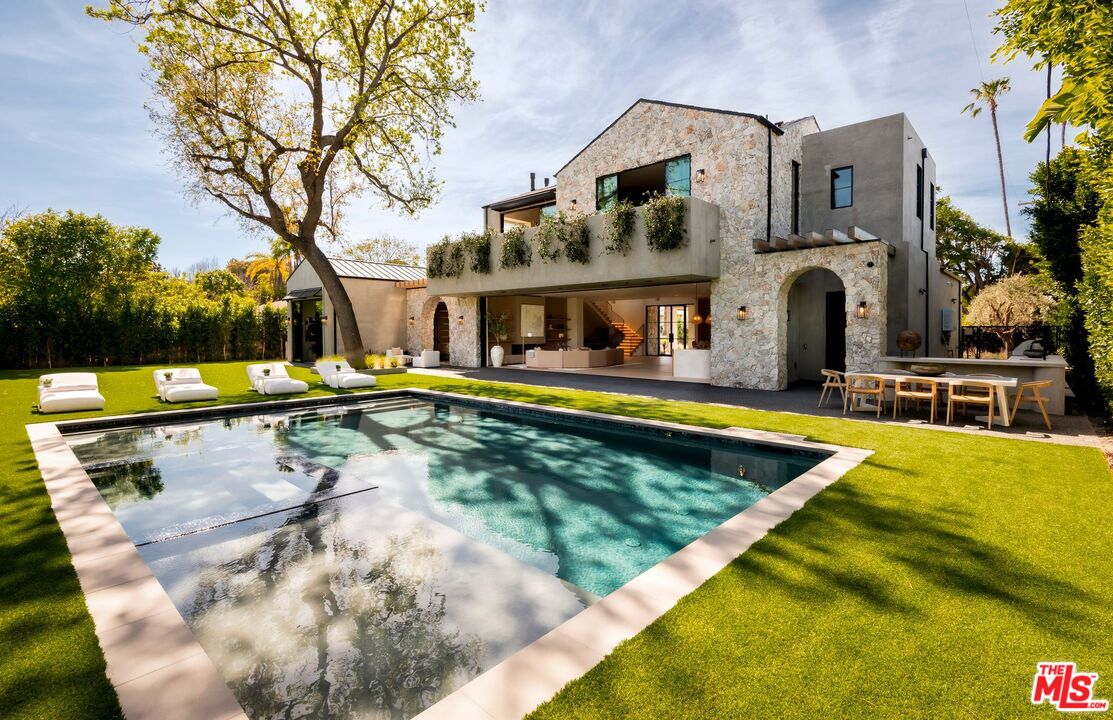
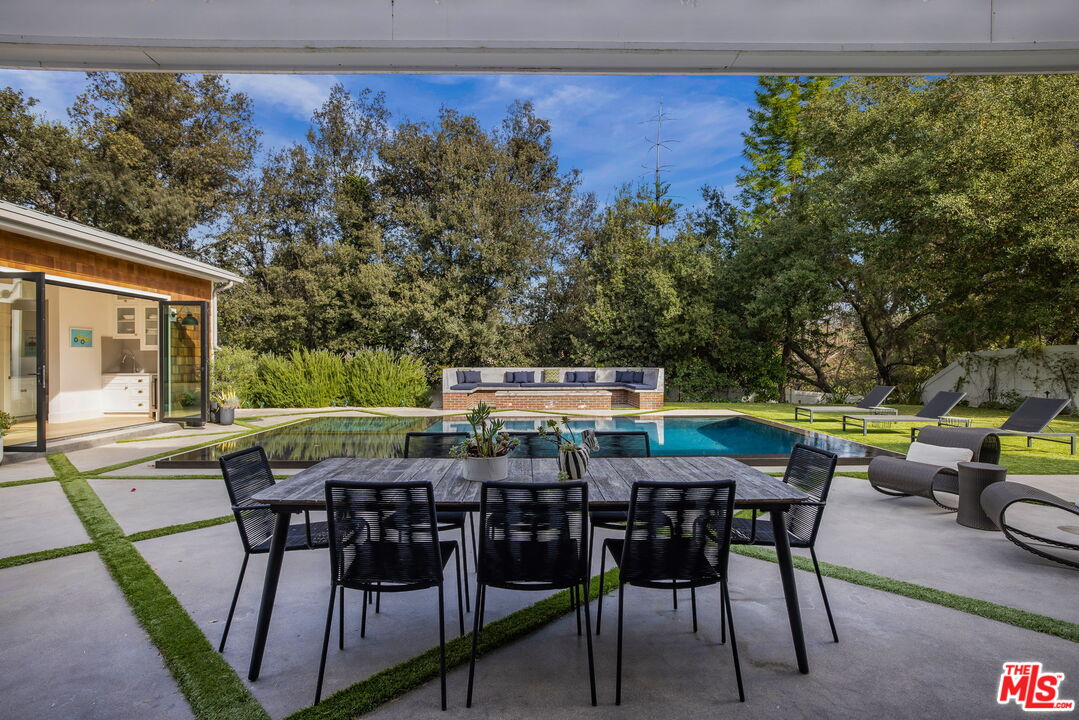
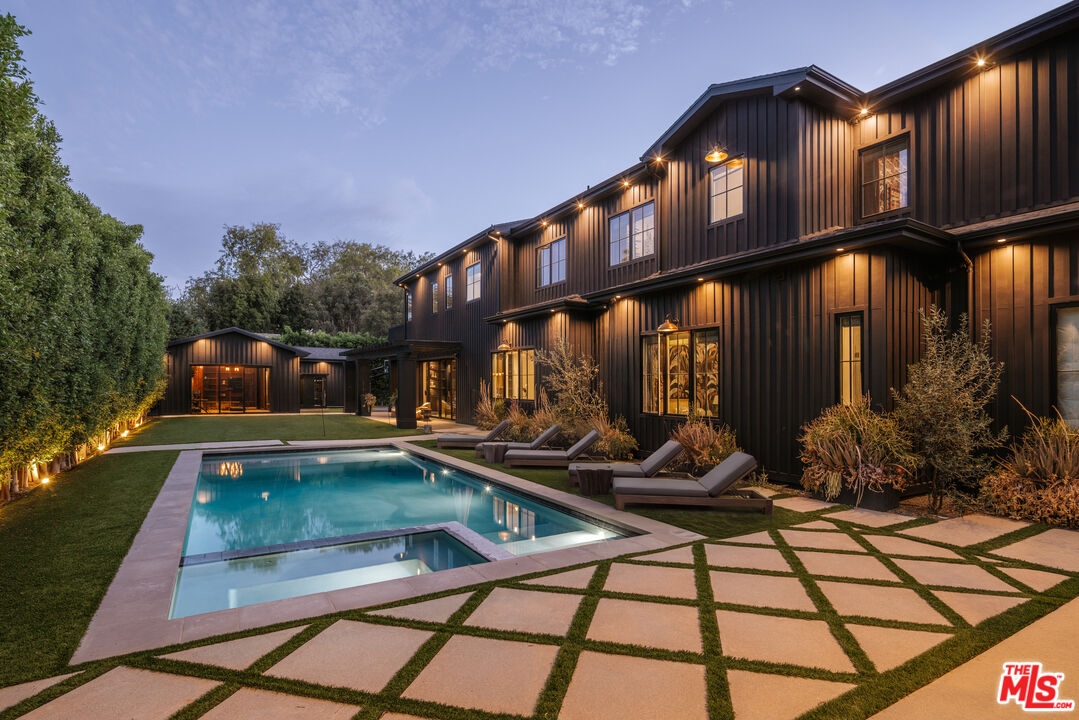
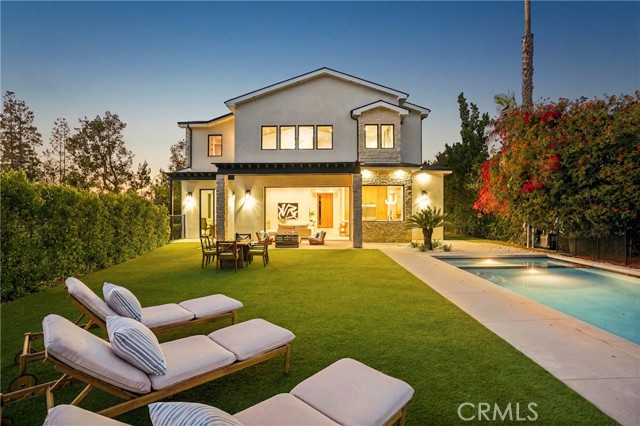
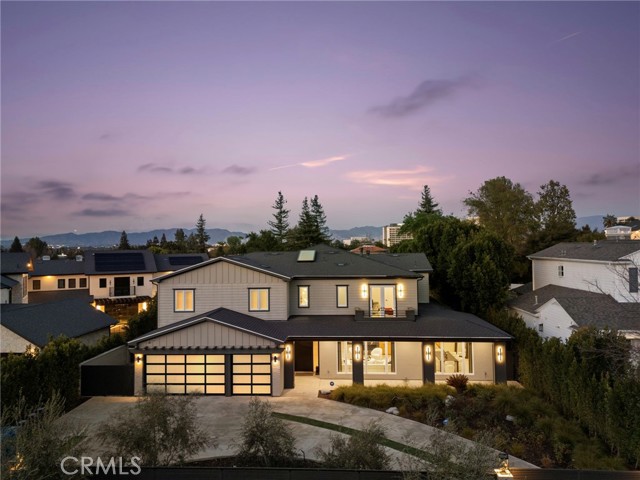
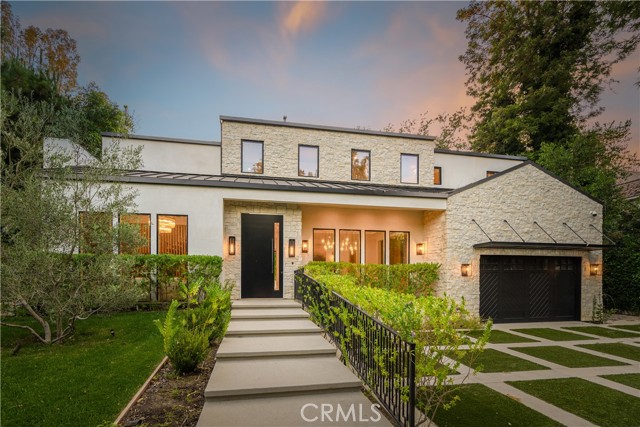
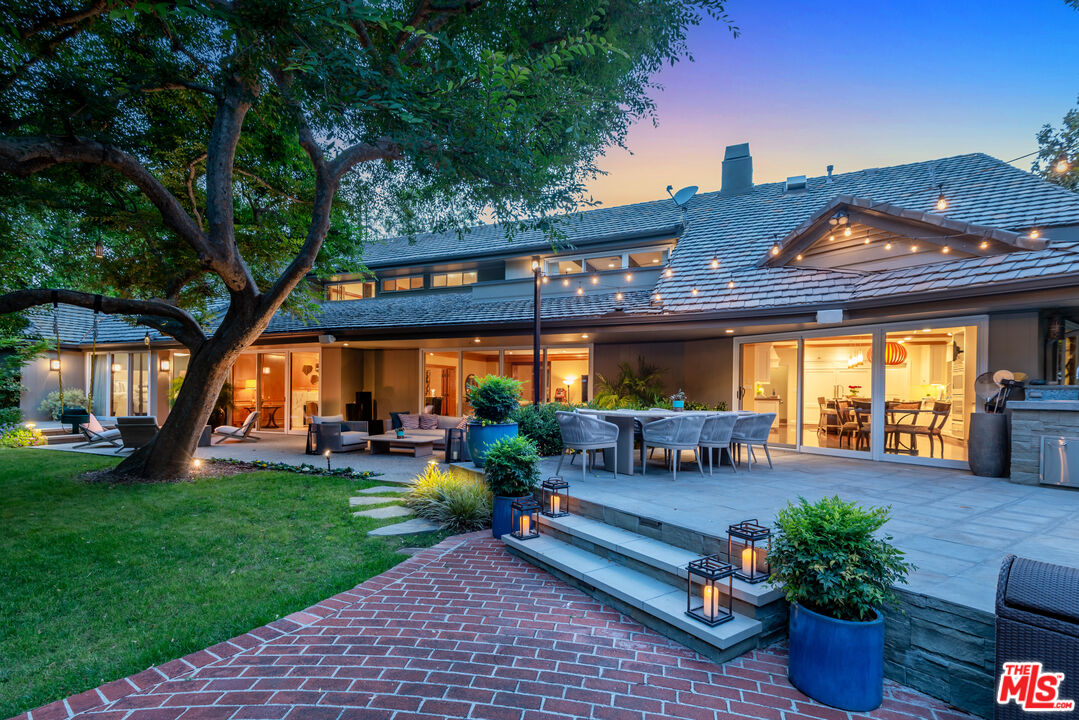
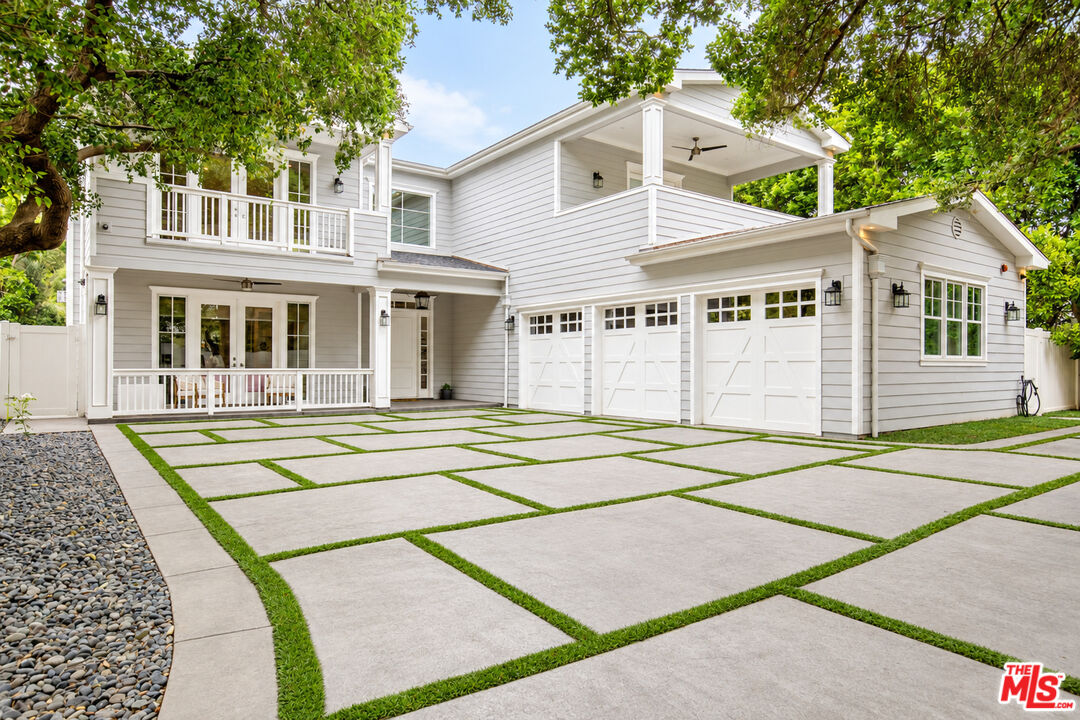
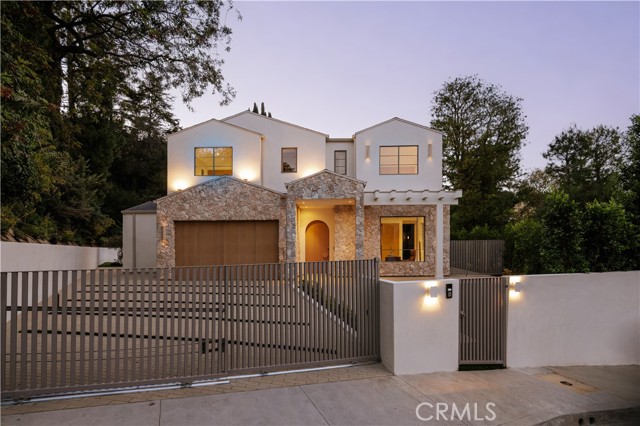
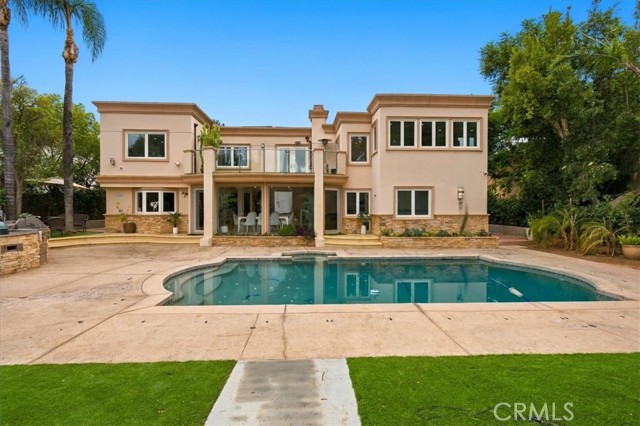
For sellers, condition is everything in a competitive field. Updated, turnkey homes—particularly modern farmhouse and contemporary Mediterranean builds—consistently earn top dollar, while dated properties tend to sit. Pricing precision matters just as much. Overpricing out of the gate is the most common misstep here; it leads to extended days on market and the eventual price cut that signals weakness to buyers. Aligning your list price with recent, genuinely comparable sales is what drives the early activity that sells a home well. And don't underestimate the outdoors: in a neighborhood built around suburban living, large lots, pools, and true entertaining space are often the features that close the deal.
Encino is far from uniform. Cross a single boulevard and the character, terrain, and architectural mood shift noticeably. Broadly, the neighborhood breaks into three micro-areas, most of them defined in relation to Ventura Boulevard.
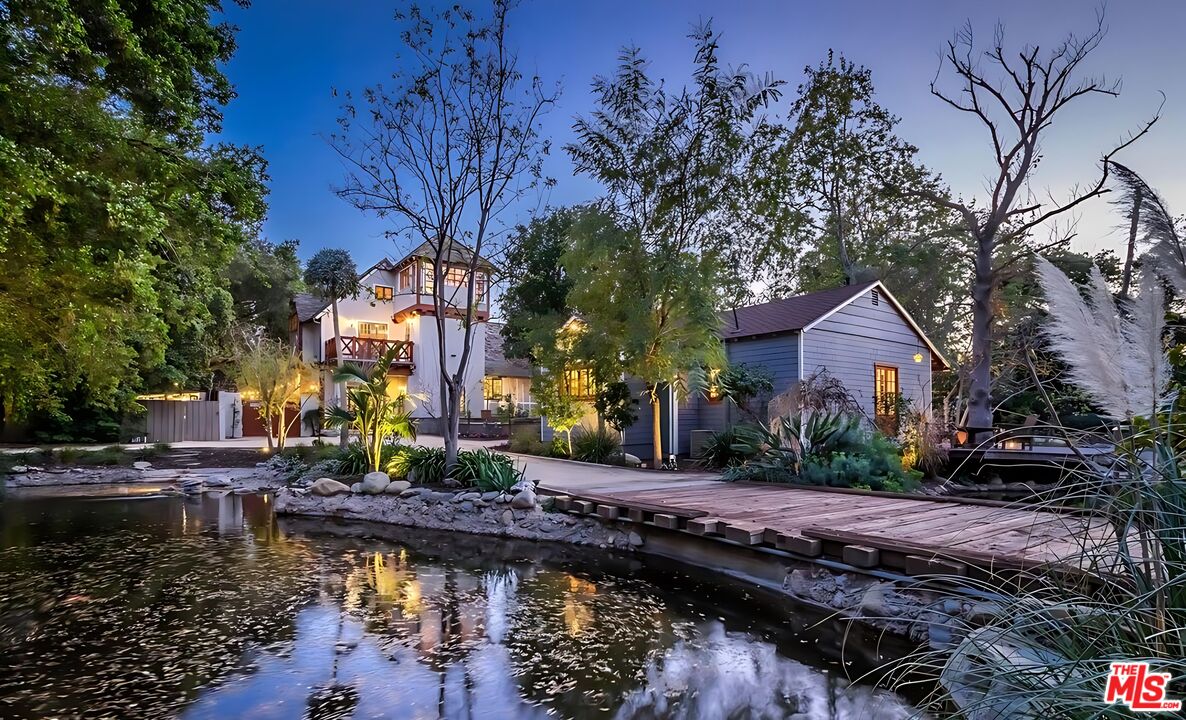
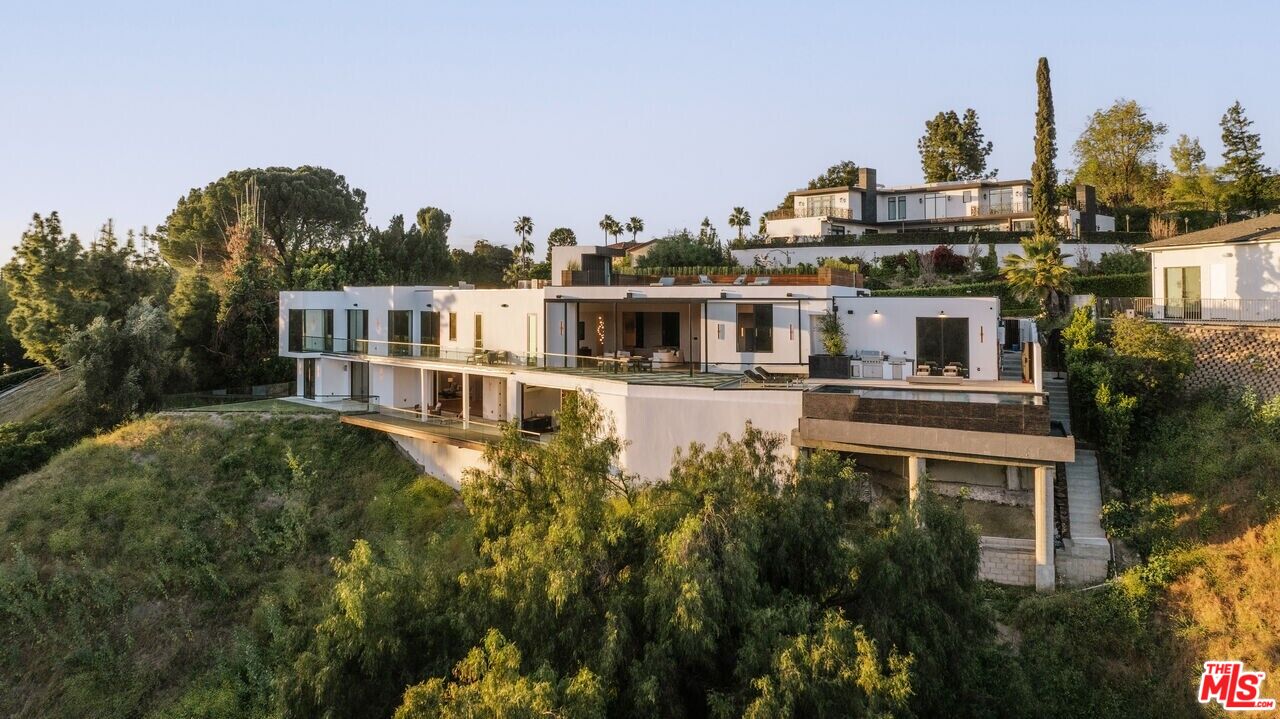
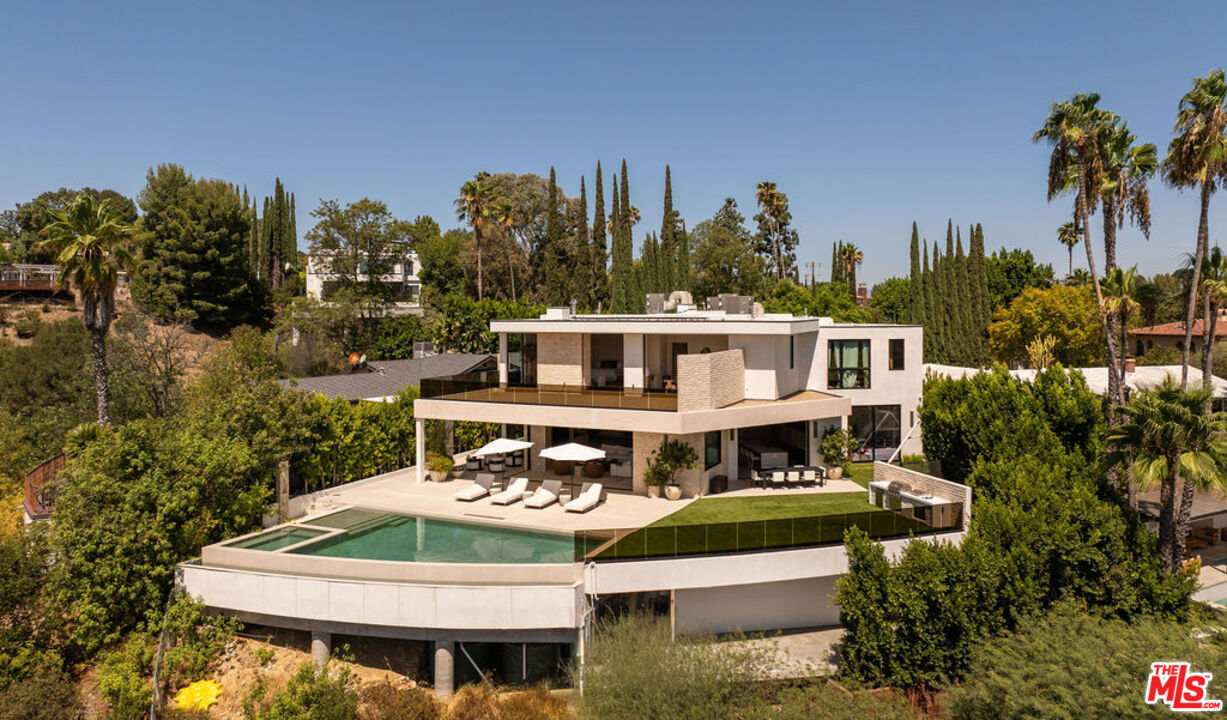
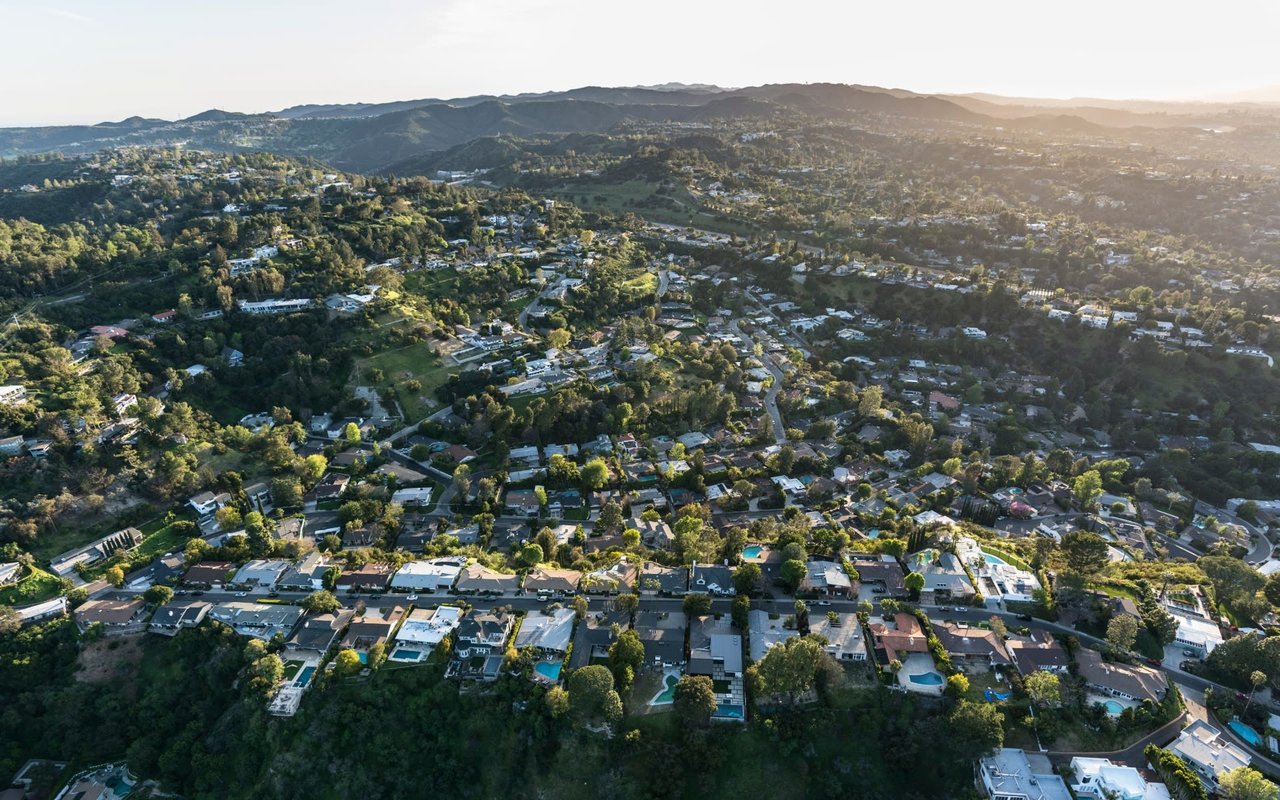
Encino Hills, south of Ventura toward Mulholland, is the most affluent pocket—tucked into the northern slopes of the Santa Monica Mountains with winding, tree-lined roads, large private lots, and multimillion-dollar estates that capture sweeping valley views. This is where privacy and elevation come at a premium.
The area often simply called "the neighborhoods," between Ventura and the LA River and 101 Freeway, is a quieter, highly walkable stretch of older, established single-family homes on generous flat lots. Mature tree canopies and a strong sense of community define daily life here; it's the Encino many longtime residents picture when they think of home.
Farther north, past the 101 toward Victory Boulevard, sit Encino Park and the Flats. This is the neighborhood's most varied zone—mid-century single-family homes, quiet cul-de-sacs, and higher-density pockets of apartments and condominiums clustered nearer the major thoroughfares. It's also where much of the neighborhood's more attainable inventory lives.
Part of what makes walking Encino interesting is the architectural range, layered over decades of growth. You'll find genuine mid-century artifacts a few blocks from brand-new construction, and the mix tells the story of a neighborhood constantly renewing itself.
Style | Where You'll Find It | Defining Traits |
|---|---|---|
Mid-Century Ranch | North of Ventura / Encino Park | Single-story, low-pitched roofs, sliding glass connecting indoors to patio |
Traditional & Ranch Revival | Central Encino (south of the 101) | Brick or wood siding, symmetrical facades, deep oak-shaded lawns |
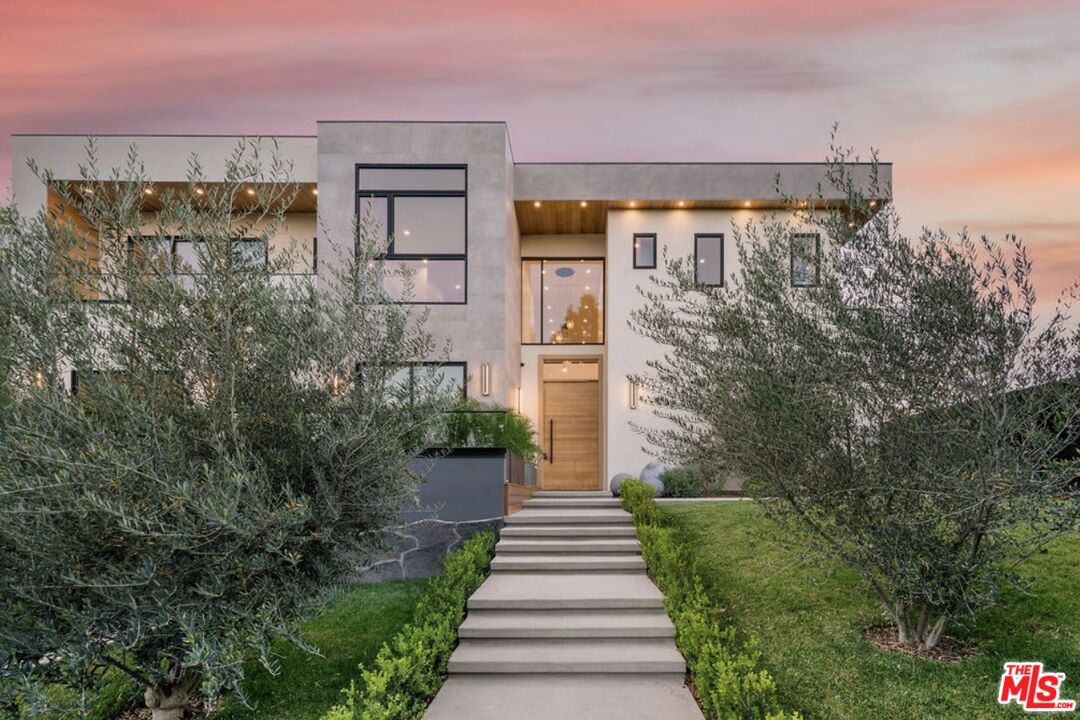
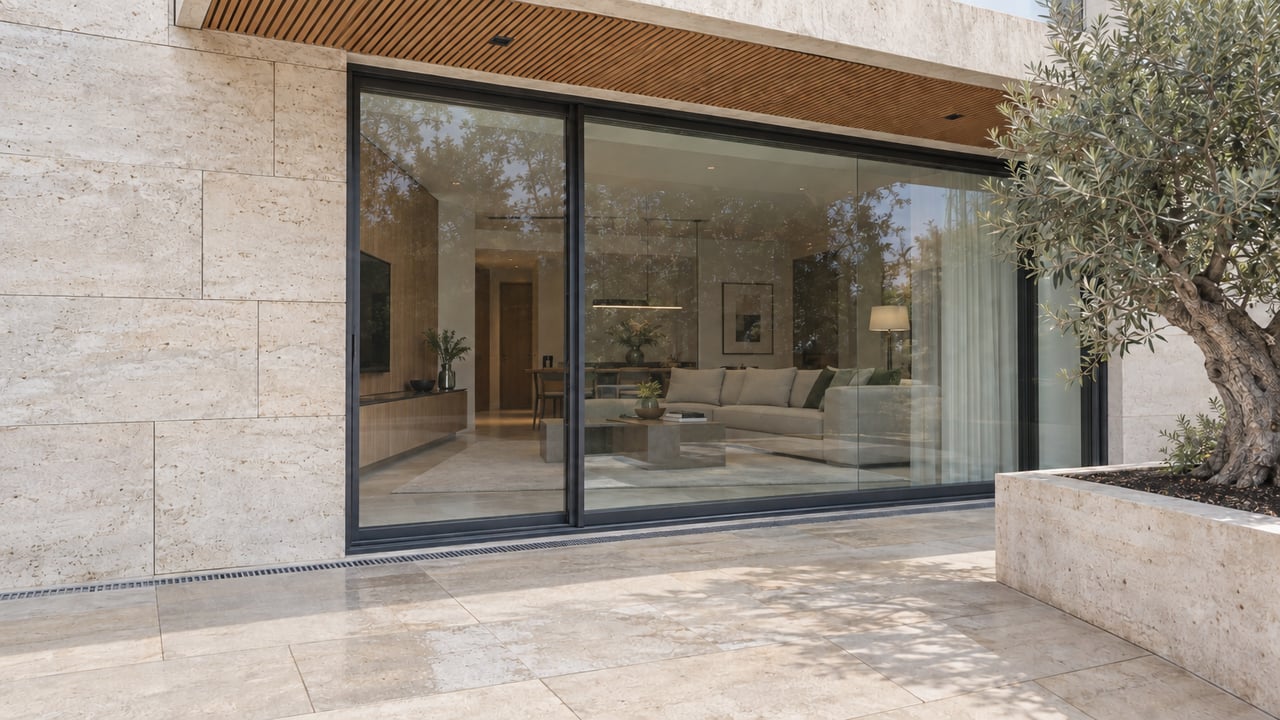
Modern Farmhouse | Throughout, often replacing older homes | Black-and-white exteriors, gabled roofs, floor-to-ceiling glass, open plans |
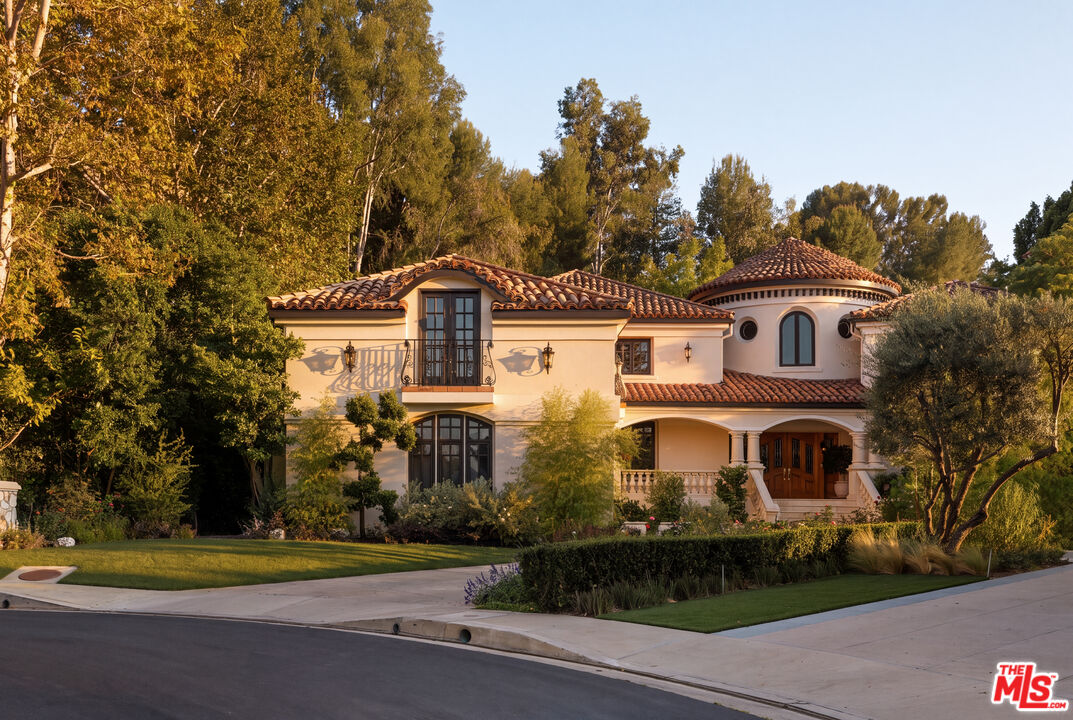
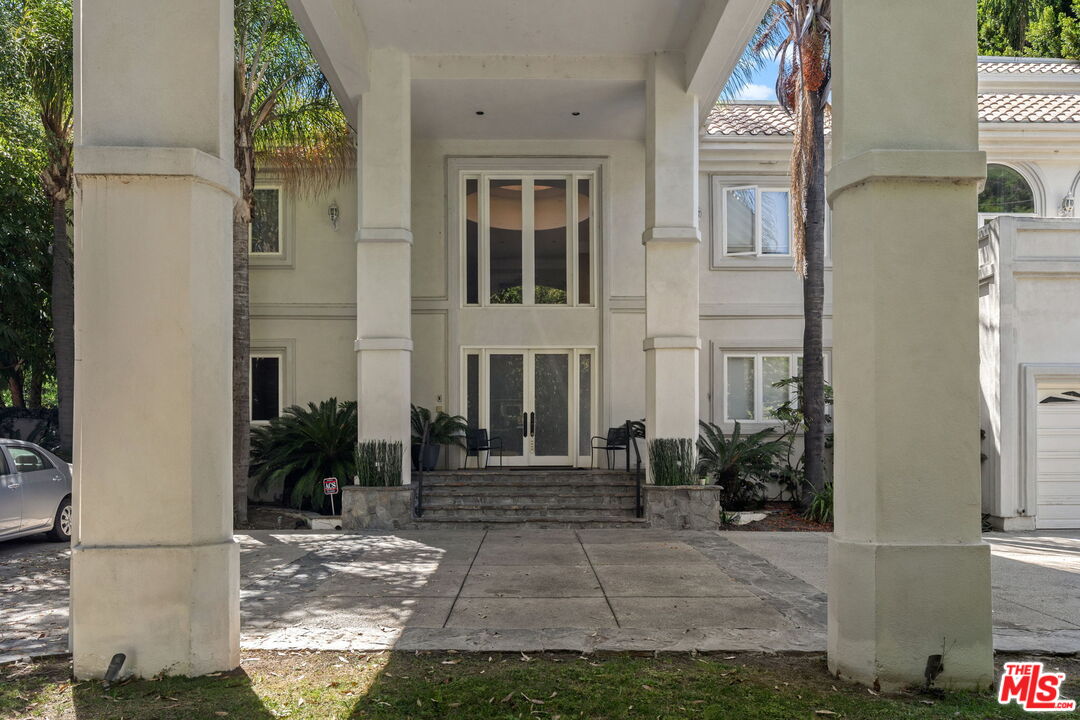
Contemporary Mediterranean | Encino Hills | Stucco walls, tile roofs, arched entries, terraced hillside pools |
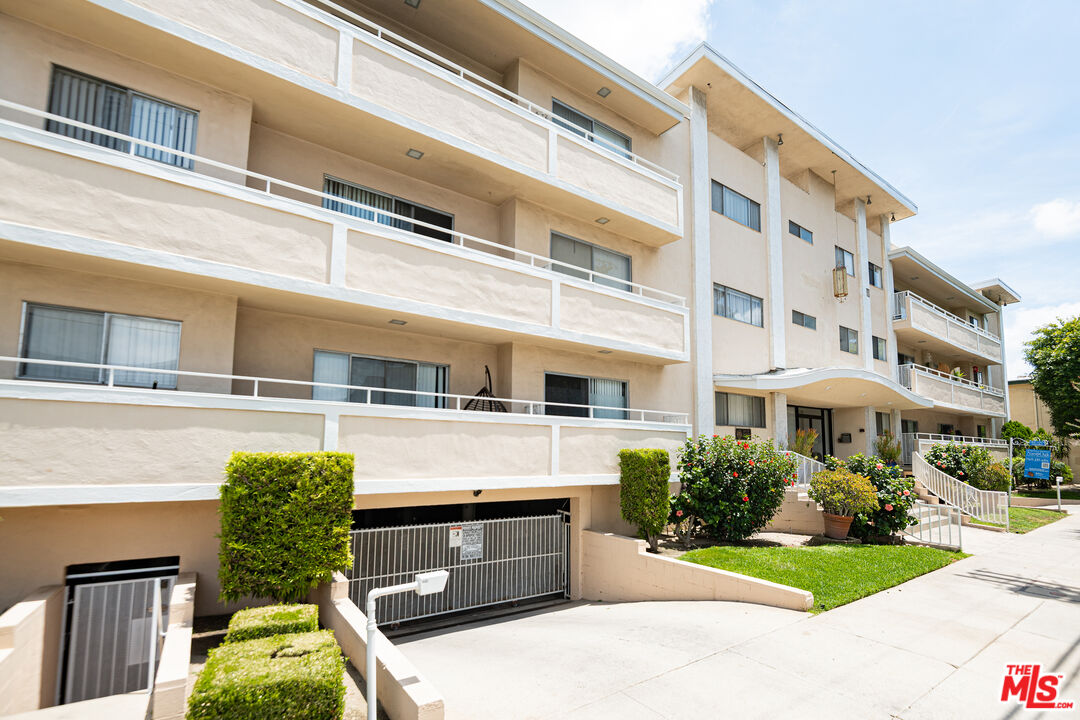
Low-Rise Condos & Townhomes | Burbank Blvd / White Oak Ave | Gated subterranean parking, shared amenities, accessible entry pricing |
There's a quiet tension worth mentioning here. Many older single-family homes are being torn down to make way for large modern farmhouse builds, a trend visible on nearly every street. At the same time, active neighborhood conservation efforts and engaged local stakeholders work continually to protect Encino's signature leafy character and its historic oaks. That push and pull—between reinvention and preservation—is very much a live conversation among residents, and it's shaping what the neighborhood will look like a decade from now.
For many families, schools are the deciding factor in choosing Encino, and the neighborhood delivers on both public and private fronts.
On the public side, Encino's LAUSD elementary and middle schools rank among the top percentiles in California for math and reading proficiency. Lanai Road Elementary is consistently ranked among the best in the state, known for high test scores and an unusually engaged parent community. Encino Charter Elementary serves grades K–5 with a strong reputation, and Hesby Oaks Leadership Charter offers a coveted K–8 path that lets families keep continuity through the middle-school years. At the high school level, students are generally zoned for Birmingham Community Charter High School or pursue nearby magnet programs.
For families seeking independent education, the options are equally strong. Crespi Carmelite High School, an all-boys Catholic college-preparatory school, sits right on Ventura Boulevard, while Our Lady of Grace School serves grades K–8 as a well-regarded parish school. Encino's location also puts some of LA's most prestigious private schools within easy reach—Harvard-Westlake and Campbell Hall in Studio City, and Sierra Canyon in Chatsworth are all a manageable drive away. Few neighborhoods offer this density of quality educational choice.
Ventura Boulevard is Encino's social backbone, and its dining scene leans toward the upscale-but-relaxed end of the spectrum—think elevated dinners and craft cocktails rather than late-night clubbing. What it lacks in raucous nightlife it makes up for in range.
At the stylish end, Monaco Encino channels the French Riviera with contemporary European-fusion plates and a bar that carries well into the evening, while Popular brings a Mediterranean-Asian fusion menu, a proper cocktail program, and DJ-driven energy on weekends. For something more intimate, Pialon specializes in Mediterranean small plates and craft cocktails in an outdoor courtyard that's become a reliable date-night and happy-hour destination.
The neighborhood also holds onto its classics. Lakeside Cafe, near Lake Balboa, serves scenic patio brunches, and Mulberry Street Pizzeria remains a genuine Valley institution for New York–style thin-crust pizza. And because Encino borders Sherman Oaks, residents have immediate access to the famous "Sushi Row" stretch of Ventura Boulevard—putting some of LA's best Japanese dining minutes from the front door.
Encino handles the practical side of life gracefully, balancing boutique character with everyday convenience along Ventura Boulevard.
The heart of the walkable retail experience is Encino Commons, a business district affectionately dubbed "the Valley's Miracle Mile." Stretching along Ventura between White Oak and Balboa, it offers metered, pedestrian-friendly access to more than 300 local businesses—cafes, independent clothiers, salons, and service shops that give the neighborhood its texture. For a more curated experience, Encino Marketplace—an open-air center designed by Caruso, the developer behind The Grove—houses high-end everyday conveniences, lifestyle services, and quick-casual dining.
Grocery options run the full spectrum. Residents can shop the gourmet aisles of Gelson's and Lazy Acres Natural Market or handle the weekly run at neighborhood staples like Trader Joe's and Ralphs. Whatever the errand, it's rarely more than a few minutes away.
For a neighborhood that feels so suburban, Encino offers remarkable access to green space—from a massive urban recreation area to genuine mountain trailheads.
The crown jewel is the Sepulveda Basin Recreation Area along the northern edge, one of the largest public recreational hubs in all of Los Angeles. Within it, Lake Balboa (Anthony C. Beilenson Park) offers a 27-acre lake with pedal-boat rentals, running paths, and cherry blossom trees that bloom each spring. Nearby, the 6.5-acre Japanese Garden (SuihoEn) provides a genuinely tranquil escape of tea houses and koi ponds. The basin also holds three 18-hole municipal golf courses, an off-leash dog park, archery ranges, and sports fields—enough to fill a lifetime of weekends.
Closer to the boulevard, Los Encinos State Historic Park preserves the original spring that once sustained the Tongva village of Siutcanga, complete with a spring-fed duck pond, 1800s adobe and limestone structures, and picnic lawns shaded by California live oaks. And for those drawn to the hills, Encino's southern border opens directly onto the Santa Monica Mountains. The Caballero Canyon Trail, at the end of Reseda Boulevard, climbs 3.4 miles to Dirt Mulholland and panoramic valley views, while Marvin Braude Mulholland Gateway Park connects local trails to hundreds of miles of ridge routes leading toward West LA and Malibu.
Encino's central position is one of its greatest practical assets—and, in true LA fashion, its commutes come with the usual traffic caveats. The neighborhood is framed by two freeways: the US-101 (Ventura Freeway) runs east-west, linking Encino toward Studio City and Burbank in one direction and Calabasas and Ventura County in the other, while the I-405 (San Diego Freeway) runs north-south, crossing the Sepulveda Pass to the Westside. Ventura Boulevard and the canyon passes—Coldwater, Laurel—serve as surface-street alternatives when the freeways bog down.
Realistic commute expectations look like this:
For those who prefer transit, the Metro G Line bus rapid transit runs along Victory Boulevard on a dedicated right-of-way, connecting Encino west to Warner Center and east to the North Hollywood station, where the B Line subway continues to Hollywood and Downtown.
Encino's residents share a certain sensibility—a preference for space, privacy, and calm without sacrificing access to the city. The median age skews a bit older than Los Angeles as a whole, around 46, reflecting a mature and settled population.
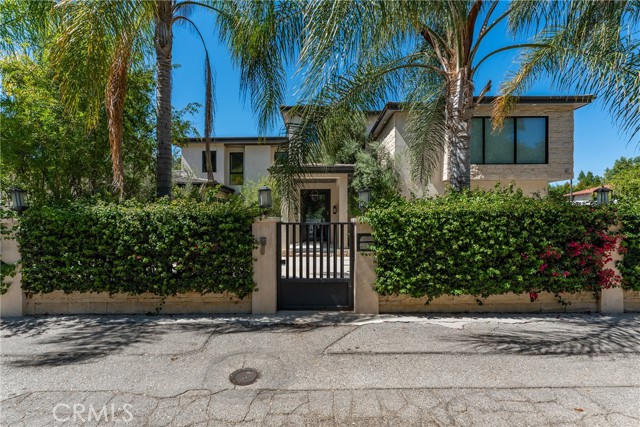
The community is a genuine mix. Entertainment-industry figures, executives, and athletes are drawn to the privacy and gated lots south of Ventura. High-earning families come for the yard sizes, top elementary schools, and quiet cul-de-sacs. Professionals and business owners—doctors, attorneys, entrepreneurs—choose Encino for square footage they simply couldn't get on the Westside. Layered through it all are vibrant Jewish and Persian-American communities whose heritage, institutions, and dining have long shaped the neighborhood's identity.
The lifestyle follows naturally from all this. The spacious lots below Ventura make Encino a magnet for those seeking gated compounds and real privacy. A recurring theme among newcomers—especially former Brentwood and Santa Monica residents who've moved "over the hill"—is getting roughly twice the home and lot for a comparable price. And on weekends, the neighborhood turns outward: youth sports at the Sepulveda Basin, morning runs around the Balboa Lake loop, tennis and golf, and easy trips to local farmers markets. It's an active, family-centered rhythm that's hard to replicate elsewhere in the city.
Encino rewards those who know it street by street, and that kind of insight is exactly what The Umansky Team brings to the table. Led by founder and CEO Mauricio Umansky alongside Farrah Brittany, Eduardo Umansky, and Sharon Umansky Benton, the team is recognized as one of the leading real estate groups in Los Angeles and among the most successful in the country, operating under The Agency in Beverly Hills. Whether you're weighing the price divide across Ventura Boulevard, searching for the right school-zoned home, or preparing a hillside estate for market, they offer the local expertise and market data to help you move with confidence. If you'd like to talk through your options in Encino—no pressure, just informed guidance—reach out at 424.230.3701 or [email protected], or stop by the office at 331 Foothill Rd, Suite 100, Beverly Hills, CA 90210.
There's plenty to do around Encino, including shopping, dining, nightlife, parks, and more. Data provided by Walk Score and Yelp.
Explore popular things to do in the area, including Plaza De Oro Shopping Center, Melissa Entwistle Personal Fitness Trainer, and Train with Laine.
| Name | Category | Distance | Reviews |
Ratings by
Yelp
|
|---|---|---|---|---|
| Shopping | 0.68 miles | 0 reviews | 0/5 stars | |
| Active | 0.54 miles | 1 review | 5/5 stars | |
| Active | 0.54 miles | 0 reviews | 0/5 stars | |
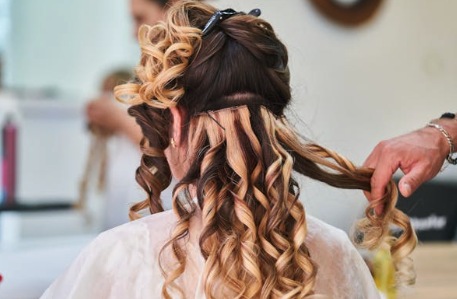
| Beauty | 0.42 miles | 3 reviews | 5/5 stars | |
| Beauty | 0.5 miles | 0 reviews | 0/5 stars | |
| Beauty | 0.53 miles | 0 reviews | 0/5 stars | |
| Beauty | 0.54 miles | 0 reviews | 0/5 stars | |
| Beauty | 0.54 miles | 1 review | 5/5 stars | |
| Beauty | 0.62 miles | 0 reviews | 0/5 stars | |
| Beauty | 0.62 miles | 0 reviews | 0/5 stars | |
| Beauty | 0.64 miles | 0 reviews | 0/5 stars | |
| Beauty | 0.67 miles | 0 reviews | 0/5 stars | |
| Beauty | 0.7 miles | 0 reviews | 0/5 stars | |
| Beauty | 0.7 miles | 0 reviews | 0/5 stars | |
| Beauty | 0.73 miles | 0 reviews | 0/5 stars | |
| Beauty | 0.74 miles | 2 reviews | 5/5 stars | |
| Beauty | 0.85 miles | 0 reviews | 0/5 stars | |
| Beauty | 0.89 miles | 4 reviews | 5/5 stars | |
| Beauty | 0.9 miles | 5 reviews | 4.2/5 stars | |
| Beauty | 0.9 miles | 0 reviews | 0/5 stars | |
| Beauty | 0.93 miles | 0 reviews | 0/5 stars | |
| Beauty | 1.02 miles | 0 reviews | 0/5 stars | |
| Beauty | 1.02 miles | 0 reviews | 0/5 stars | |
| Beauty | 1.02 miles | 0 reviews | 0/5 stars | |
|
|
||||
|
|
||||
|
|
||||
|
|
||||
|
|
||||
|
|
Encino has 19,914 households, with an average household size of 2. Data provided by the U.S. Census Bureau. Here’s what the people living in Encino do for work — and how long it takes them to get there. Data provided by the U.S. Census Bureau. 47,826 people call Encino home. The population density is 12,783 and the largest age group is Data provided by the U.S. Census Bureau.
Total Population
Population Density Population Density This is the number of people per square mile in a neighborhood.
Median Age
Men vs Women
Population by Age Group
0-9 Years
10-17 Years
18-24 Years
25-64 Years
65-74 Years
75+ Years
Education Level
Total Households
Average Household Size
Average individual Income
Households with Children
With Children:
Without Children:
Marital Status
Blue vs White Collar Workers
Blue Collar:
White Collar: