34,375 people live in Venice, where the median age is 42 and the average individual income is $109,634. Data provided by the U.S. Census Bureau.
Total Population
Median Age
Population Density Population Density This is the number of people per square mile in a neighborhood.
Average individual Income
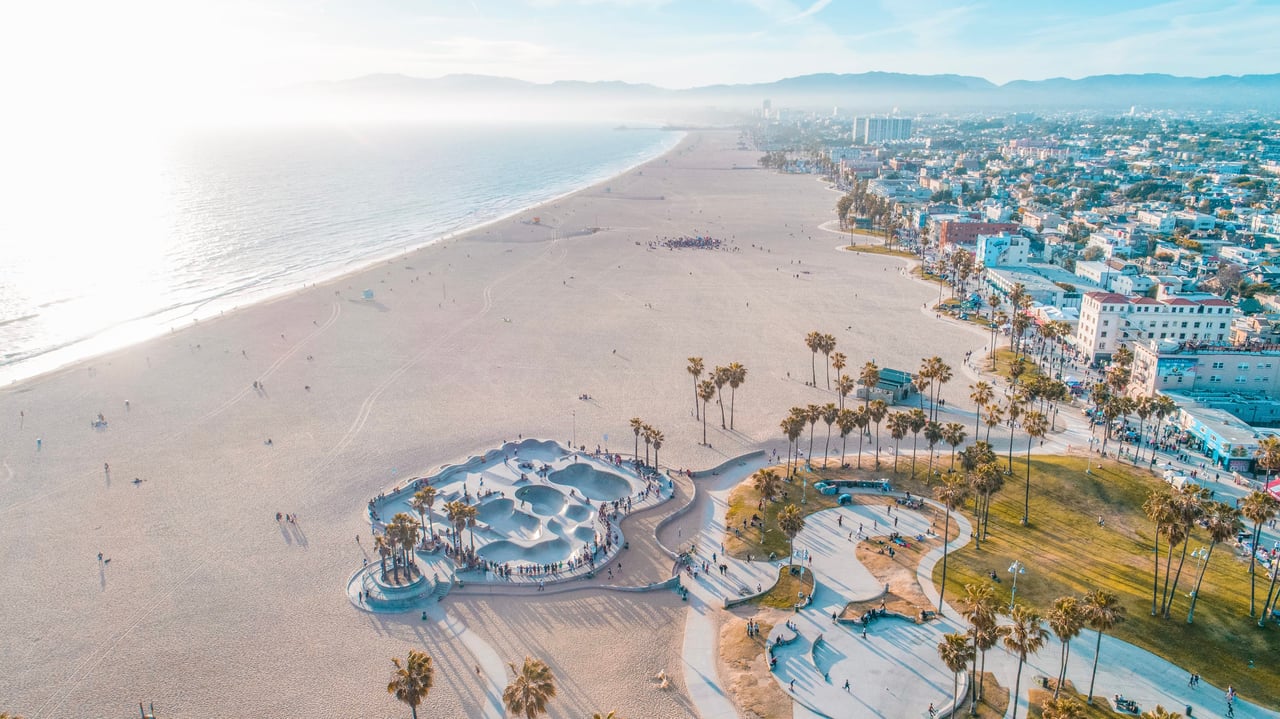
Venice is one of Los Angeles' most eclectic and culturally vibrant beach communities, where bohemian spirit meets coastal luxury. Located on the westside of LA along the Pacific Ocean, this neighborhood attracts artists, tech entrepreneurs, fitness enthusiasts, and creative professionals who value individuality and oceanfront living. The iconic Venice Boardwalk pulses with street performers, skateboarders, and vendors, while the inland canals offer serene, European-inspired waterways lined with million-dollar homes.
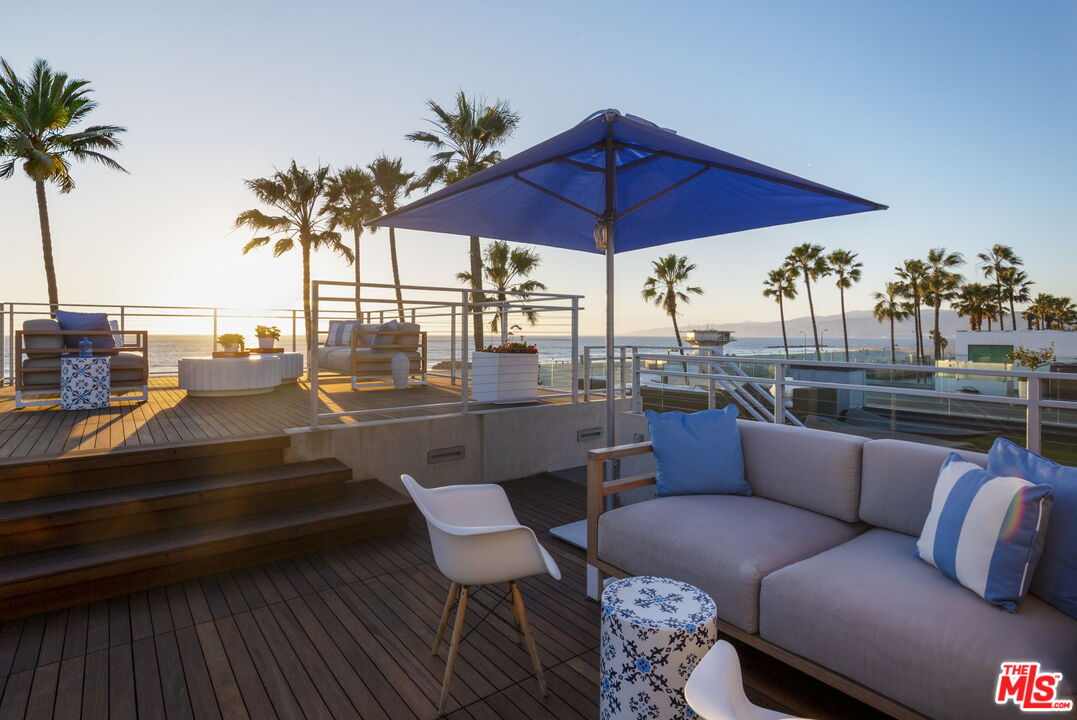
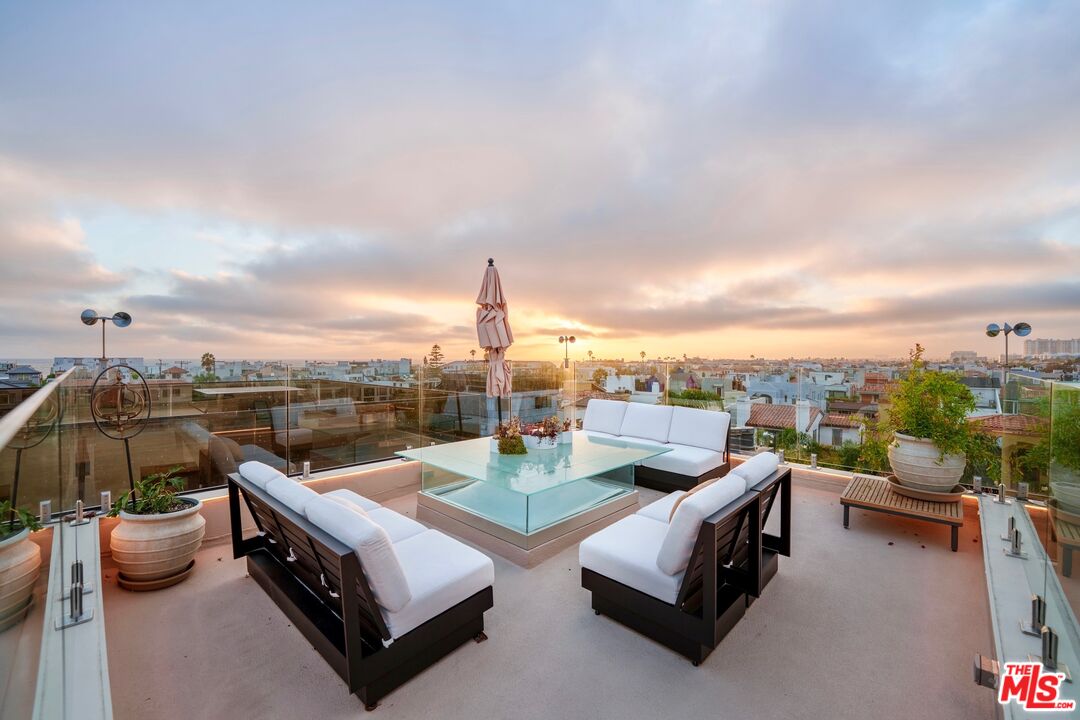
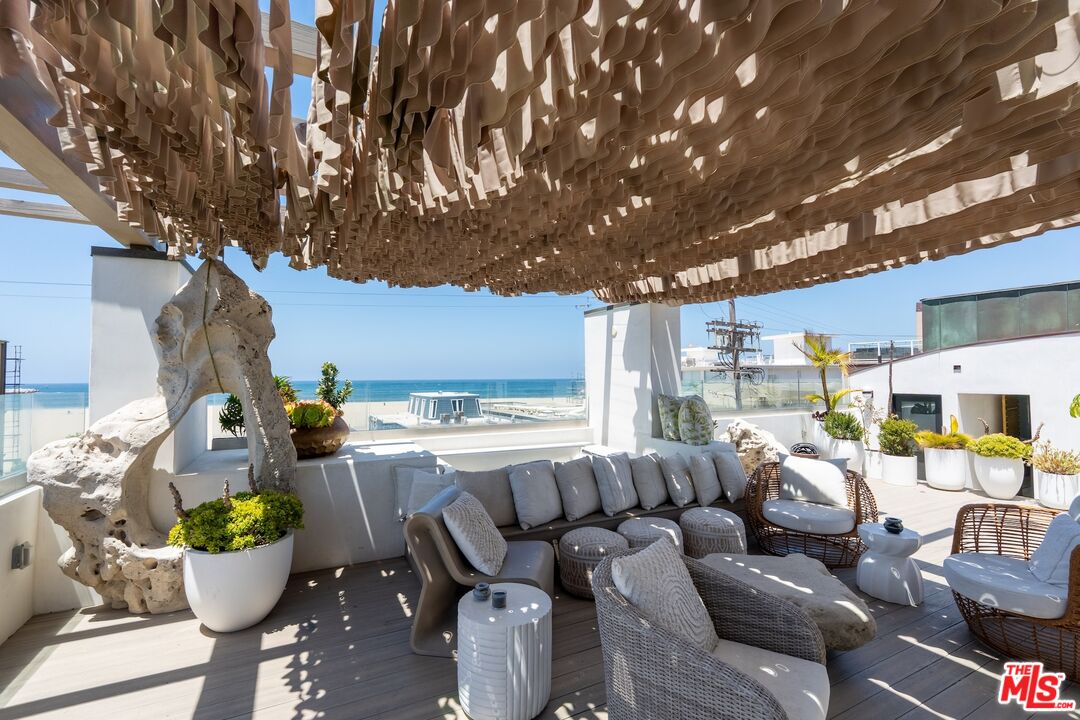
The neighborhood's appeal lies in its unapologetic diversity—beachfront bungalows sit blocks away from modernist architectural statements, while yoga studios and organic juice bars coexist with legacy dive bars. Venice draws residents seeking an authentic beach lifestyle without the polish of neighboring Santa Monica or Marina del Rey. It's a place where morning surf sessions transition into coworking spaces, and sunset gatherings happen on rooftop decks overlooking the ocean.
Venice was founded in 1905 by tobacco millionaire Abbot Kinney, who envisioned a "Venice of America" complete with canals modeled after Italy's famous city. Kinney imported gondolas, built amusement piers, and created an elaborate canal system to attract tourists and homebuyers. The project initially thrived as a resort destination, drawing crowds to its beach attractions and cultural venues.
By the 1920s, oil discoveries transformed the area, and the canals fell into disrepair as automobiles dominated transportation. Many canals were filled in to create streets, though several remain today as protected historic landmarks. The neighborhood declined through mid-century, becoming known for low rents that attracted Beat poets, artists, and counterculture figures in the 1950s and 60s.
Venice experienced gentrification waves starting in the 1990s, accelerating dramatically in the 2000s and 2010s as tech companies moved into nearby Silicon Beach. Historic bungalows were torn down for modern construction, property values skyrocketed, and the neighborhood became a magnet for tech workers and wealthy creatives. Despite development pressures, Venice has retained its artistic soul through murals, community activism, and protected historic districts. The Oakwood neighborhood remains an important center of African American culture and history in Venice.
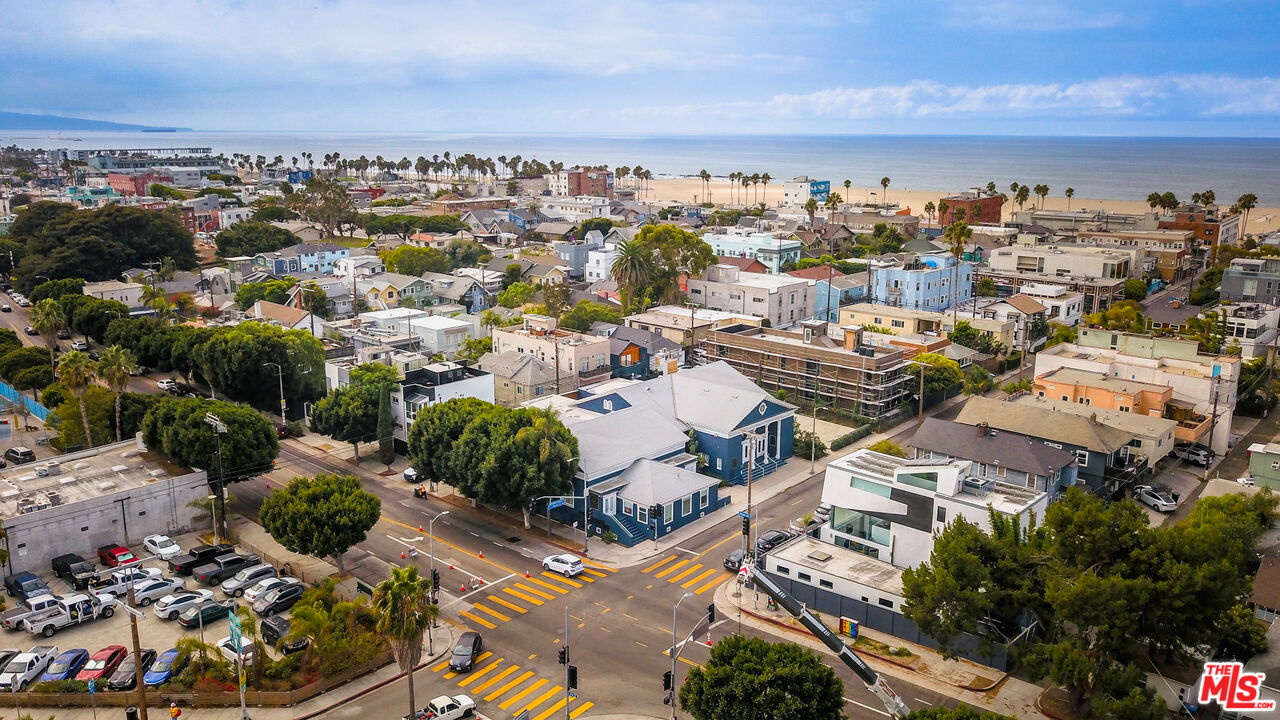
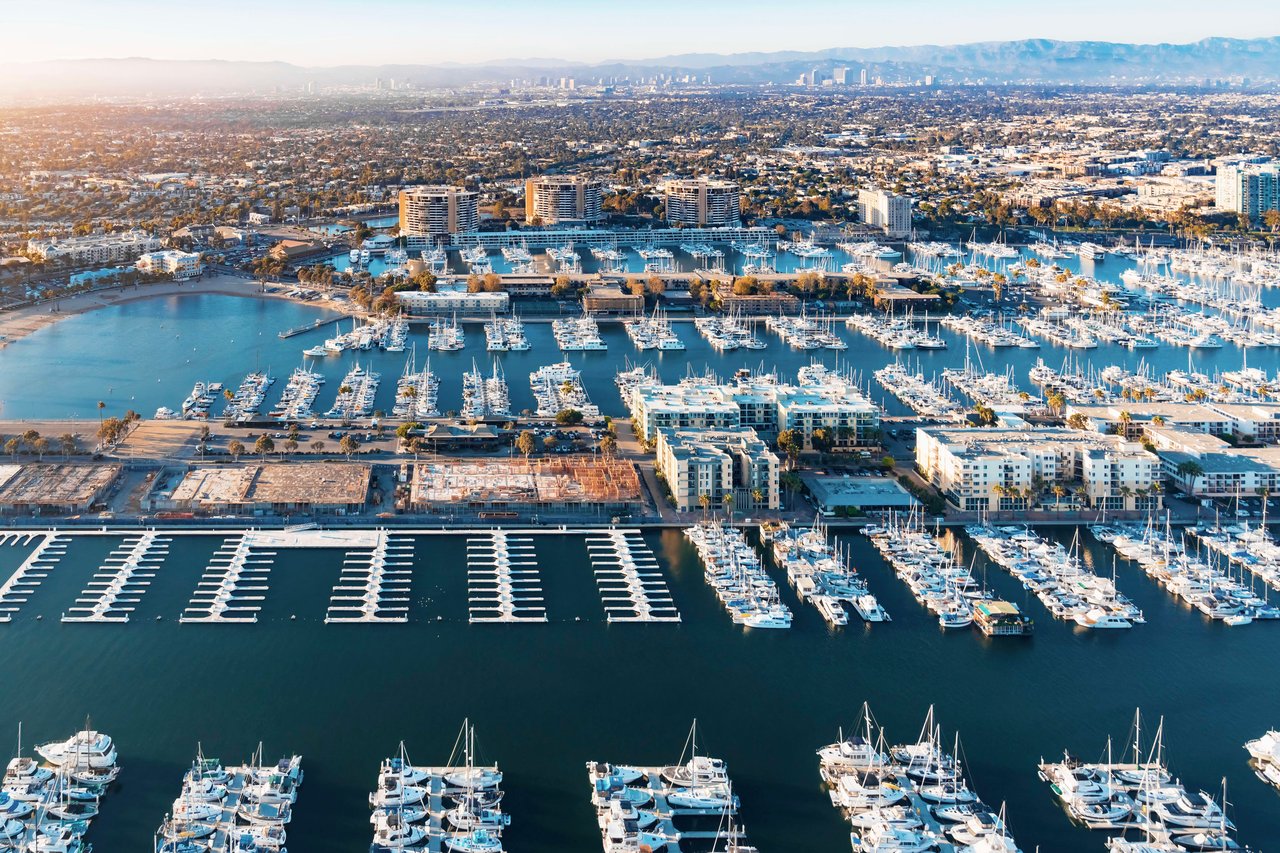
Venice is bounded by Santa Monica to the north (approximately at Rose Avenue), Marina del Rey to the south (via Ballona Creek), Lincoln Boulevard to the east, and the Pacific Ocean to the west. The neighborhood sits roughly 15 miles west of downtown Los Angeles and 5 miles south of the Santa Monica Pier.
The terrain is flat and coastal, sitting at sea level with Venice Beach forming the western boundary. The remaining historic canals—including the Venice Canal Historic District—run between Washington Boulevard and Venice Boulevard, creating a unique neighborhood-within-a-neighborhood with walkable bridges and waterfront homes. Abbot Kinney Boulevard serves as the commercial spine running north-south through the eastern portion.
Venice enjoys a Mediterranean climate with mild temperatures year-round. Coastal fog is common in mornings during May and June ("June Gloom"), burning off by afternoon. Summer temperatures typically range from 65-75°F, while winters stay in the 55-65°F range. The ocean moderates temperature extremes, making Venice cooler than inland LA neighborhoods during summer and warmer during winter. Annual rainfall is minimal, concentrated between November and March.
Venice's real estate market remains one of LA's most expensive coastal communities, though it showed signs of cooling in 2024-2025 after pandemic-era peaks. As of late 2024 and early 2025, median home prices hover around $1.8-2.2 million, with significant variation based on proximity to the beach and canal locations. Oceanfront properties and canal homes regularly exceed $3-5 million, while inland areas east of Lincoln Boulevard offer relatively more affordable options in the $1.2-1.8 million range.
The market has shifted toward more balanced conditions compared to the seller's market of 2020-2022. Days on market have increased to approximately 40-60 days in early 2025, compared to under 30 days during peak periods. Inventory levels have improved but remain relatively tight compared to national averages, with seasonal fluctuations common—more listings typically appear in spring and summer months.
Price appreciation has moderated significantly, with some properties showing flat or slight depreciation from 2022 peaks due to higher interest rates and buyer sensitivity. However, prime waterfront and canal properties continue commanding premium prices with less volatility. Competition remains strong for turnkey modern homes and properties with outdoor space, while fixer-uppers and smaller condos are seeing extended marketing times.
Current conditions favor buyers more than in recent years, with increased negotiating power on price and contingencies. Sellers need realistic pricing strategies and often accept offers below asking price, particularly for properties requiring updates or lacking desirable features like parking and outdoor space.
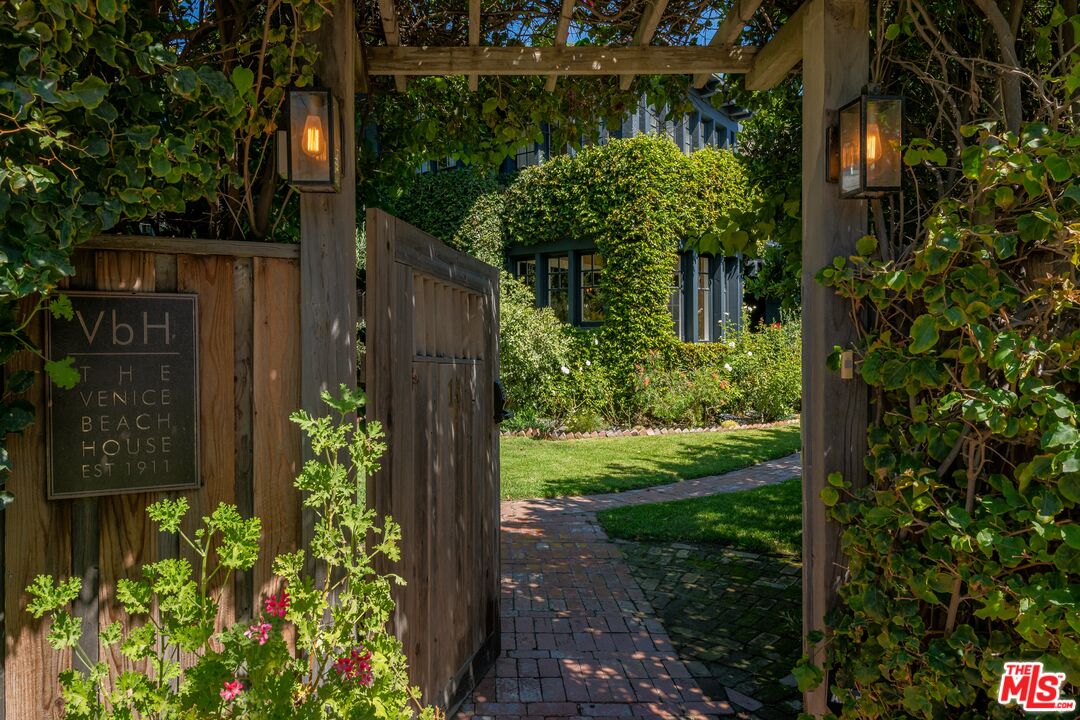
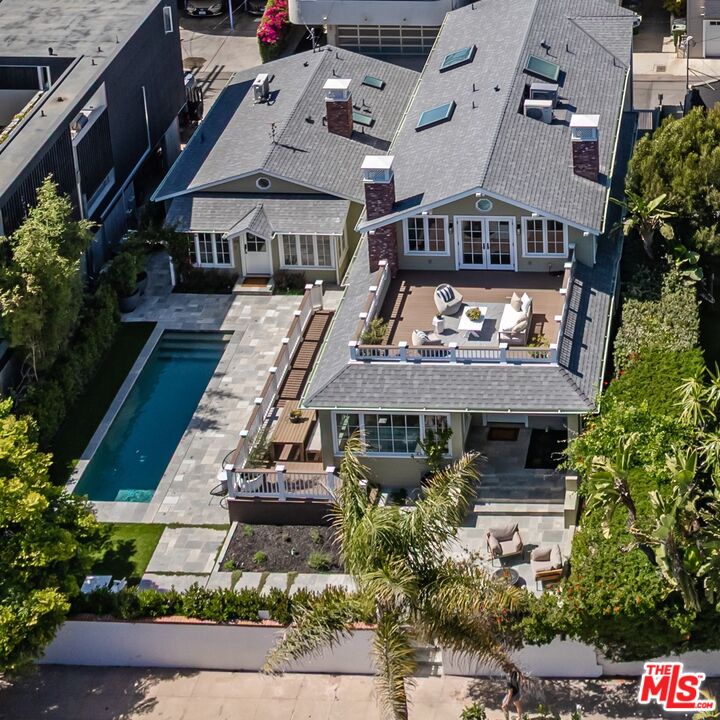
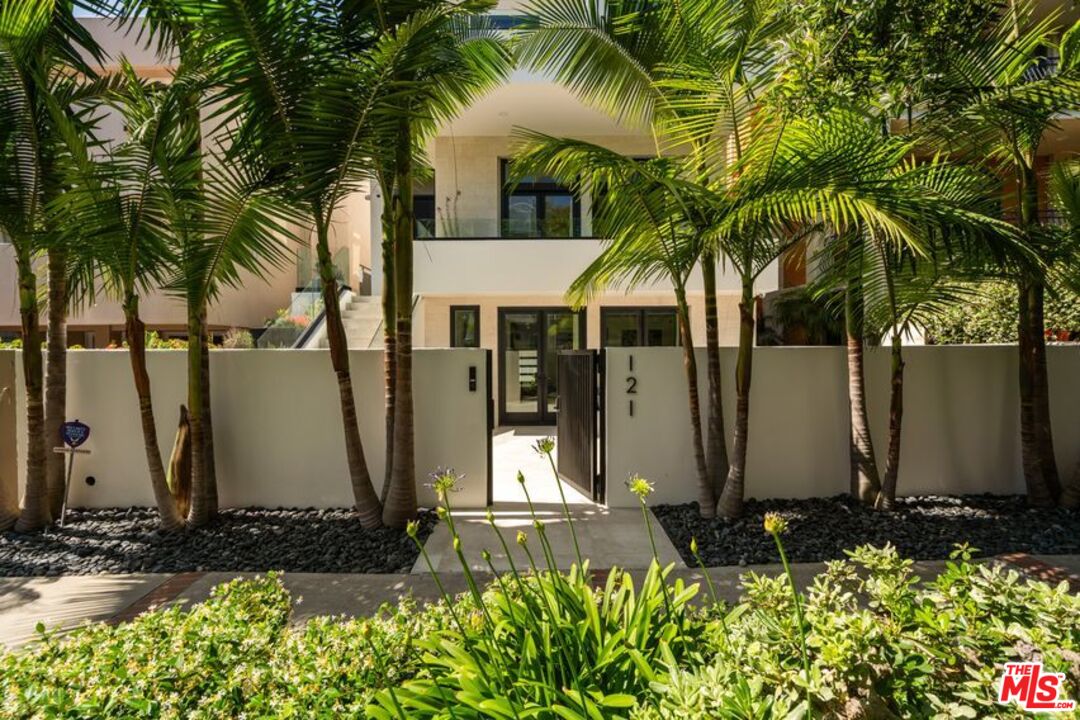
Venice offers extraordinary architectural diversity reflecting its century-long development history. Original Craftsman bungalows and Spanish Colonial Revival homes from the 1910s-1930s still exist, particularly in the canal district and Oakwood neighborhood, though many have been renovated or expanded. These typically range from 1,000-2,000 square feet with 2-3 bedrooms.
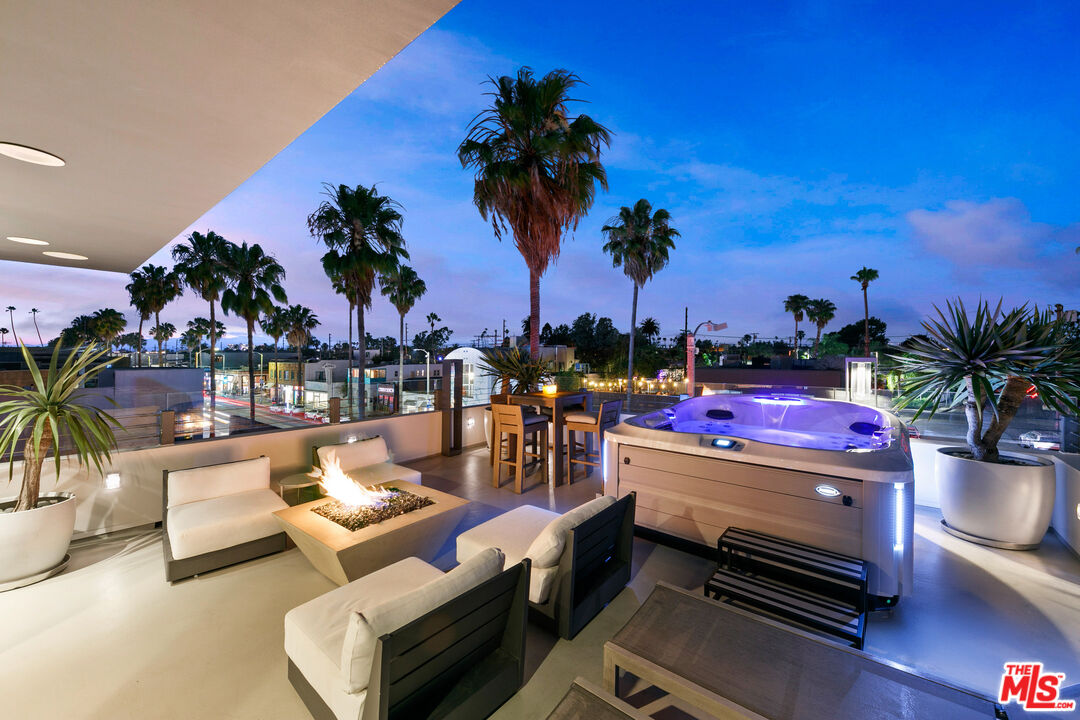
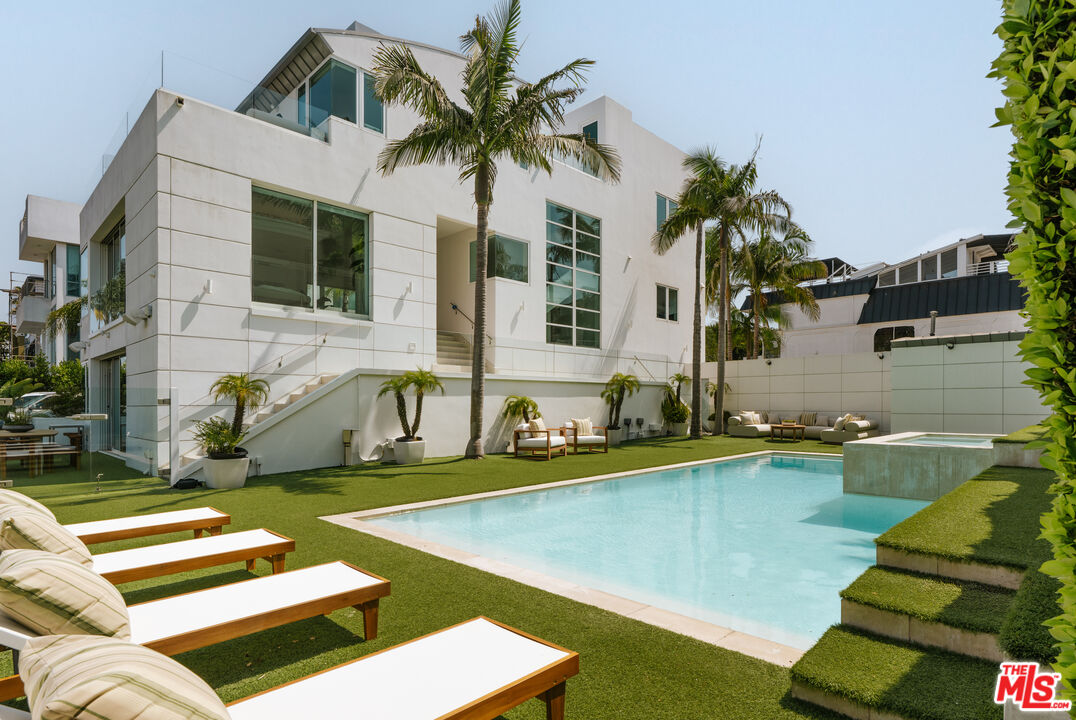
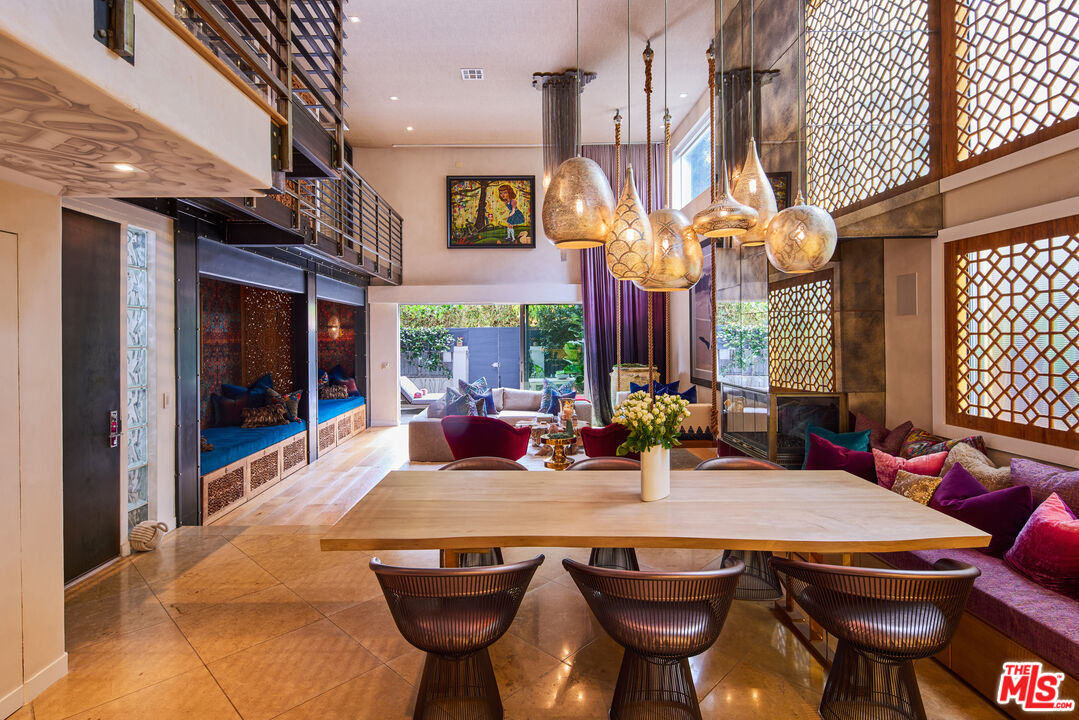
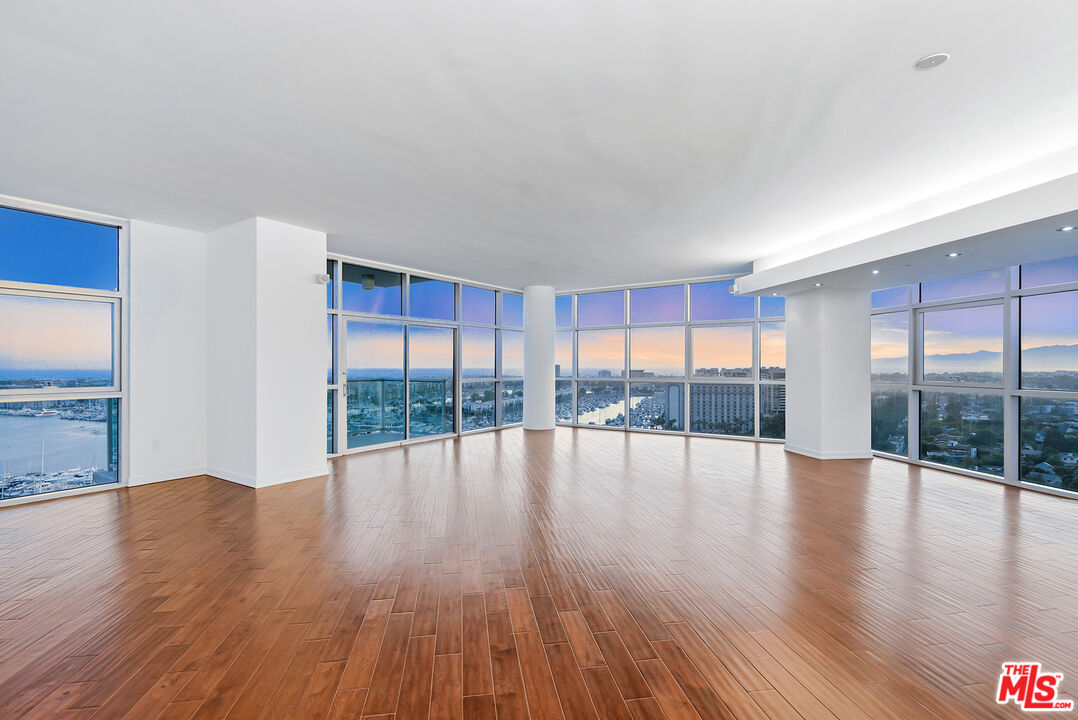
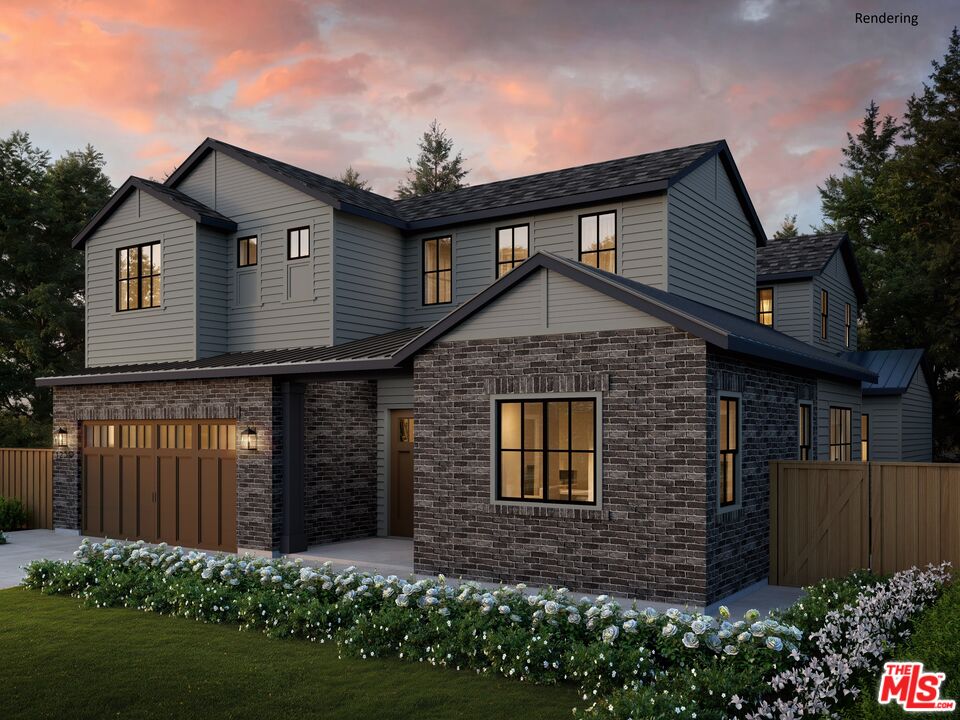
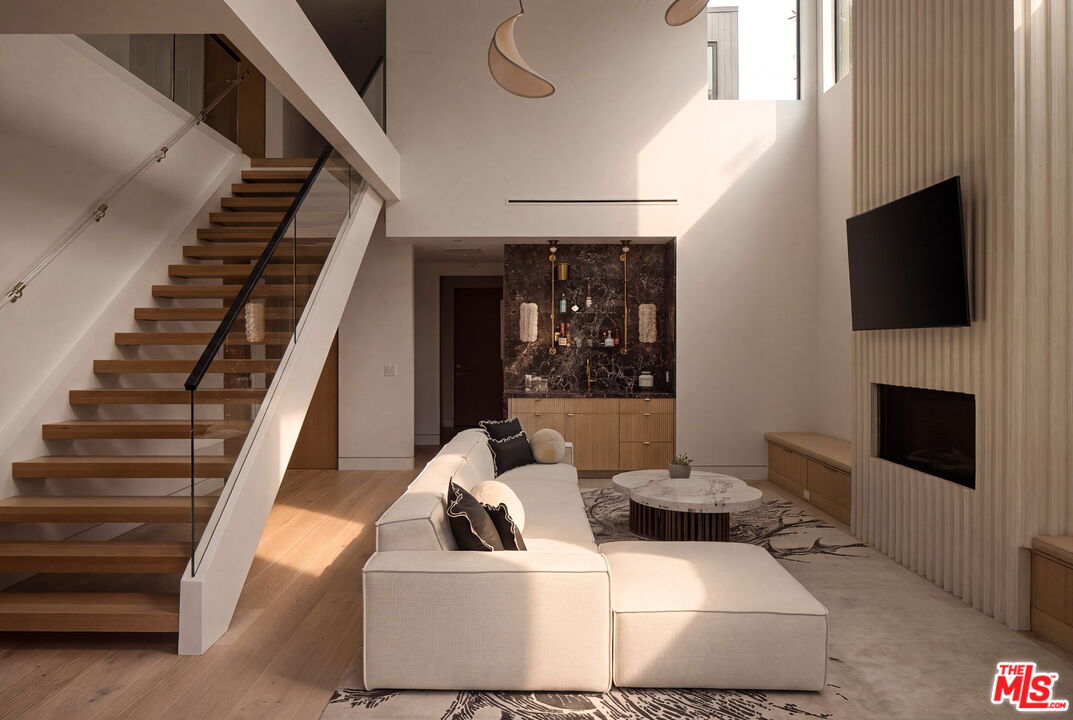
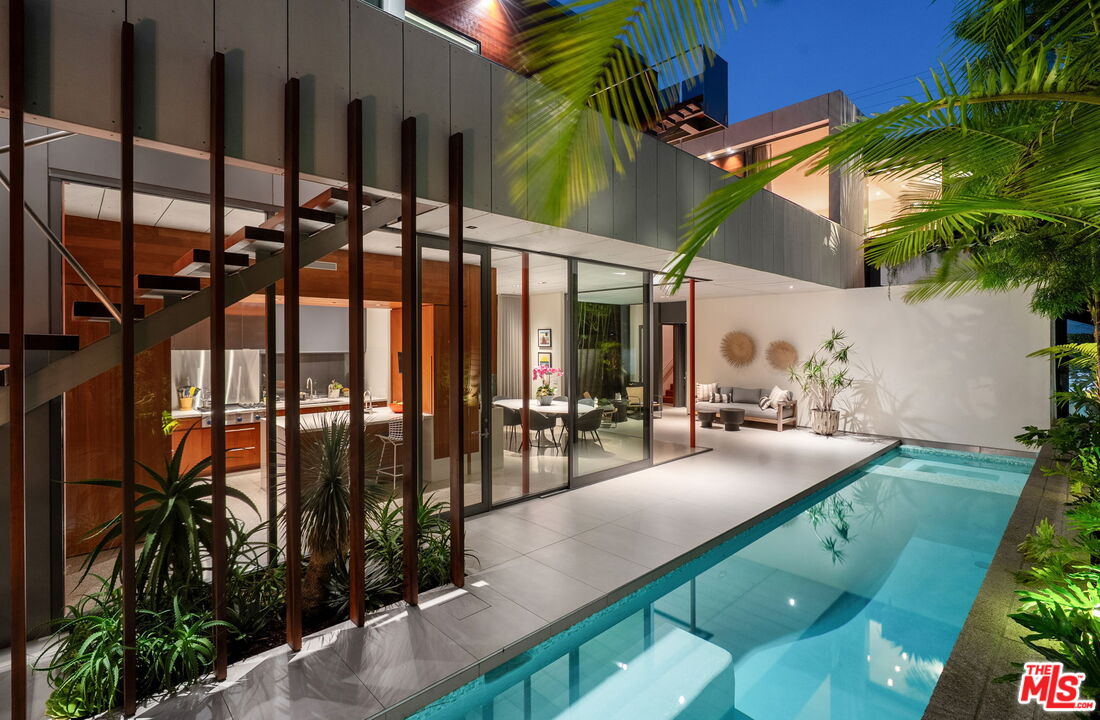
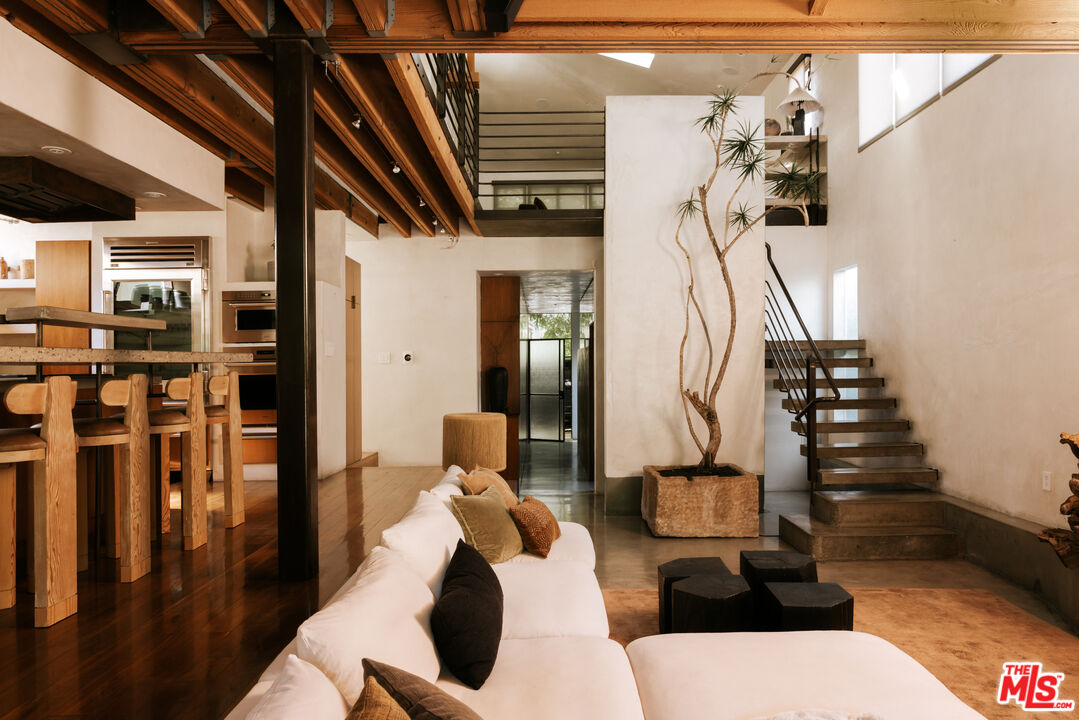
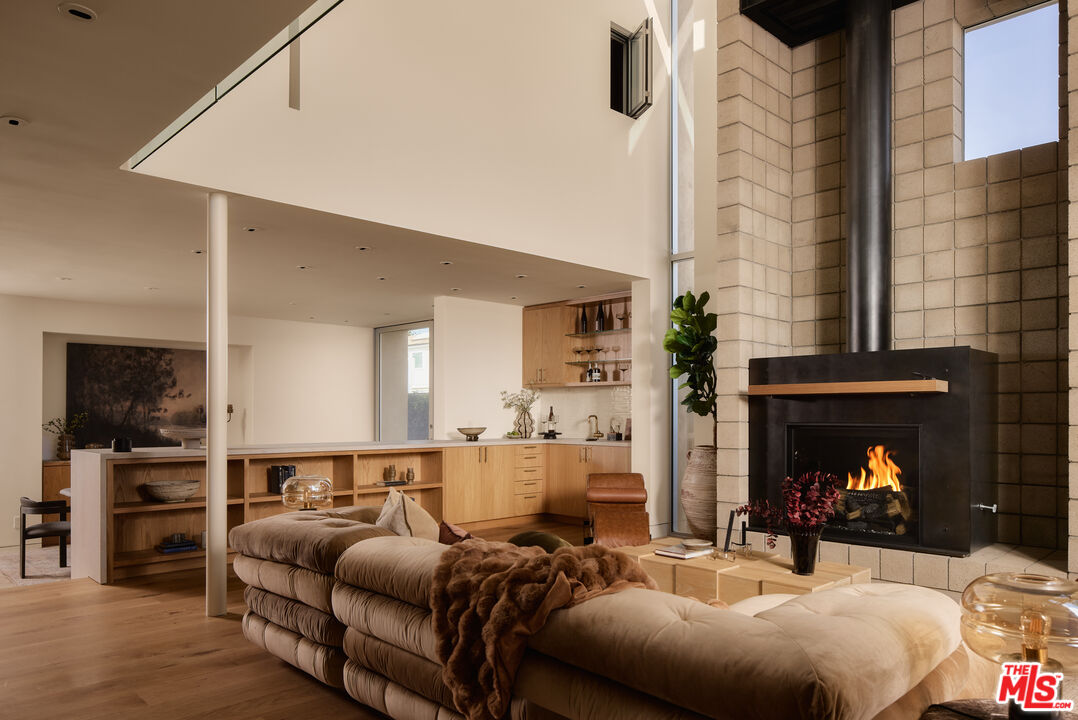
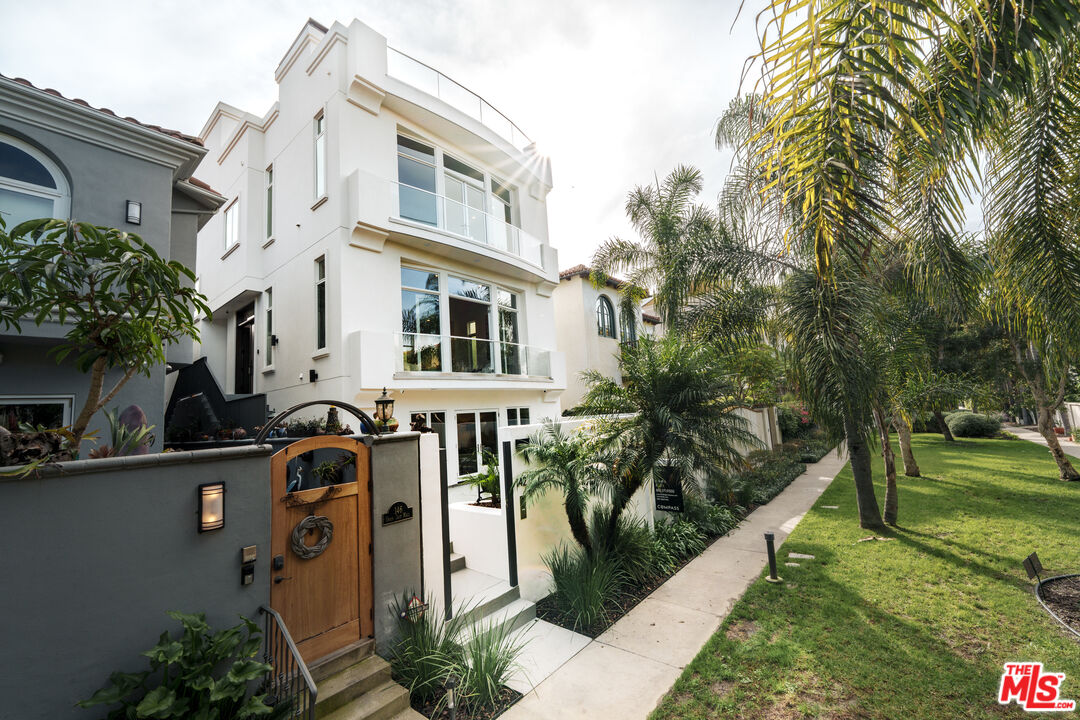
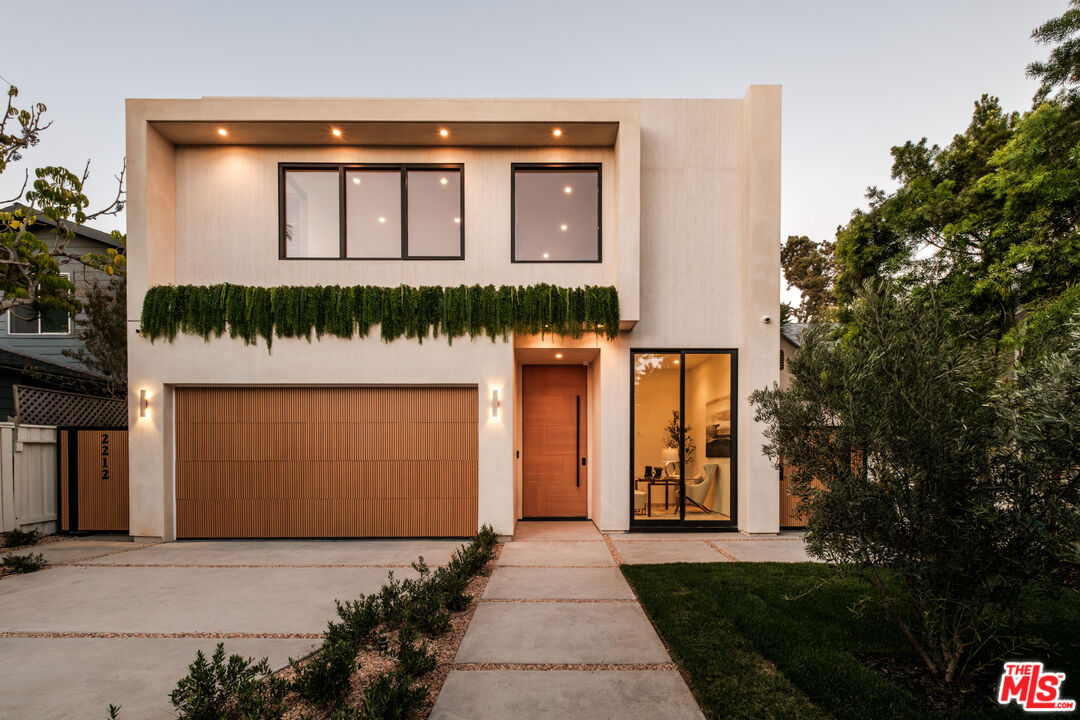
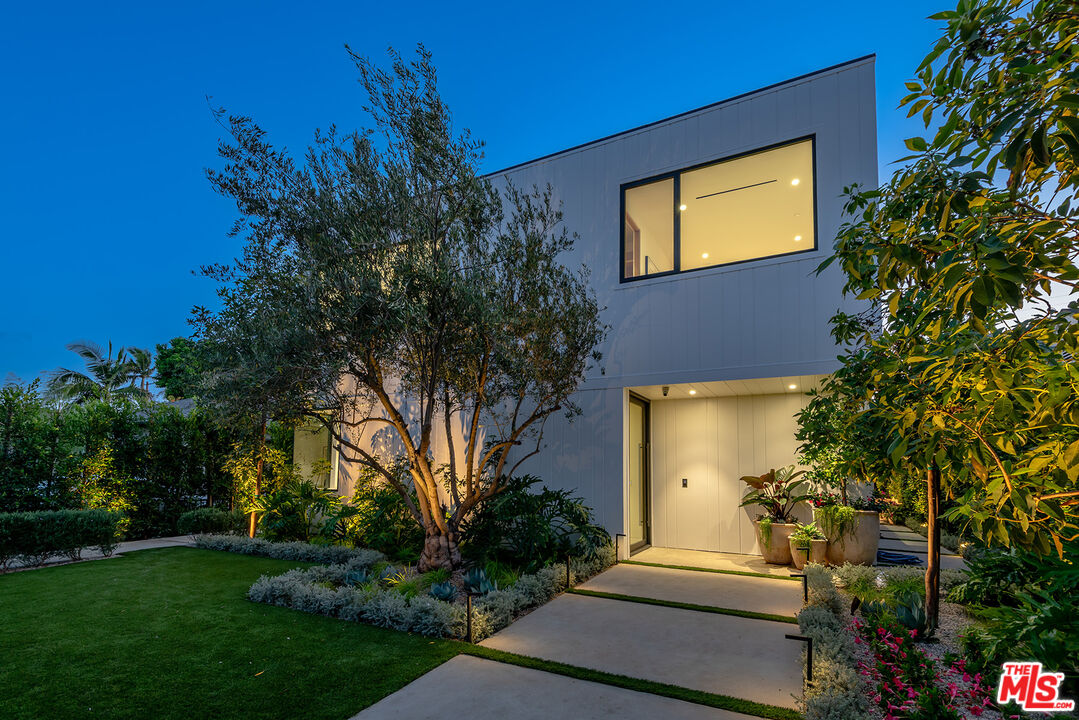
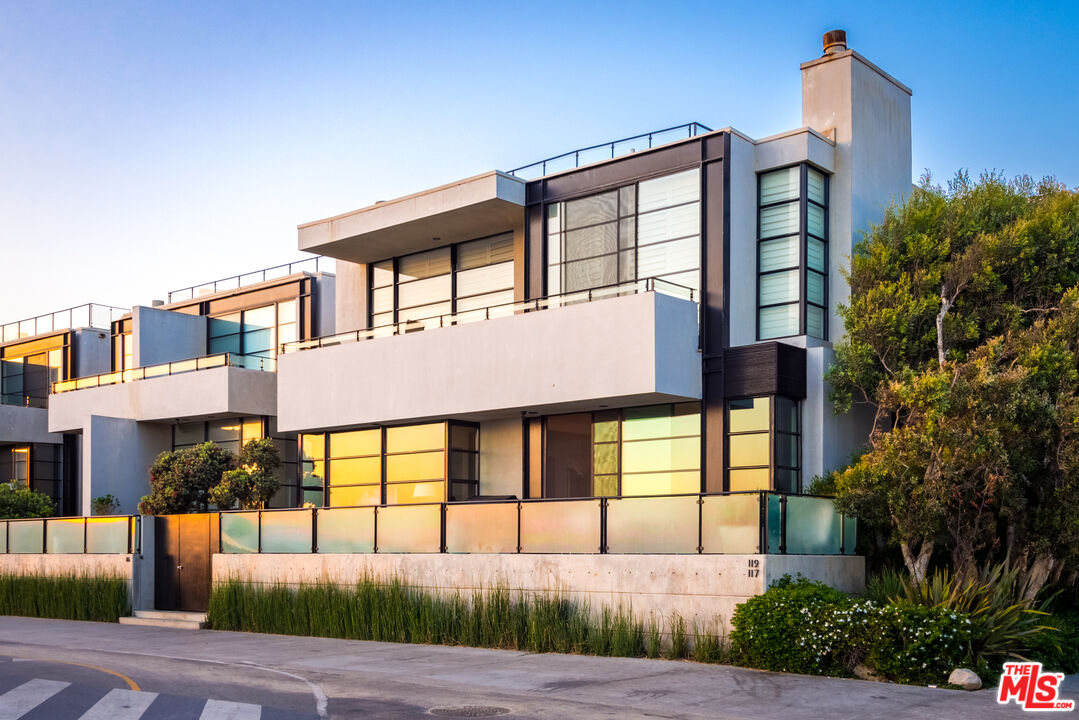
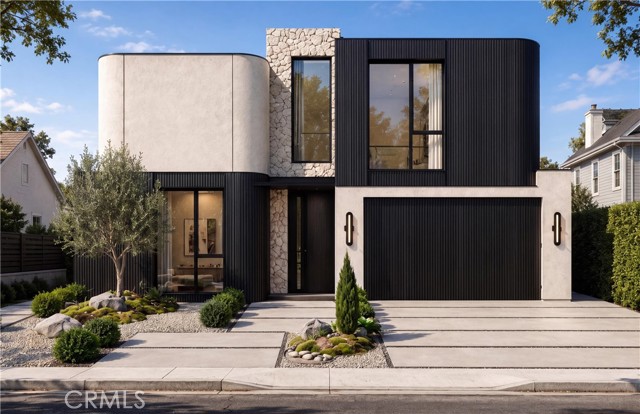
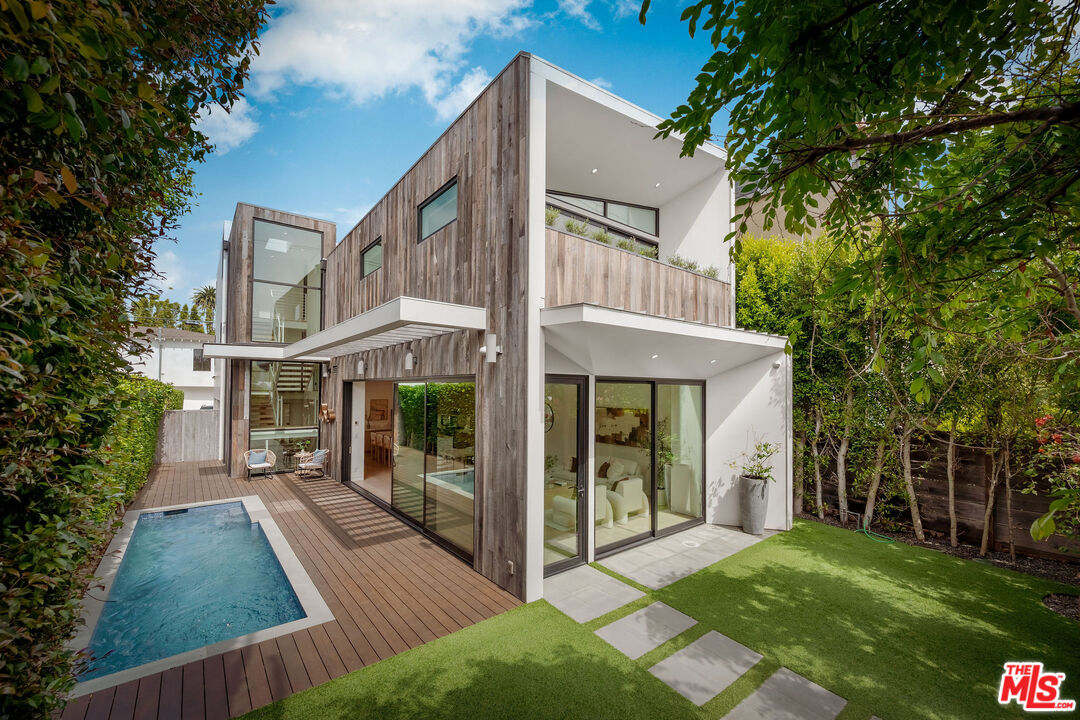
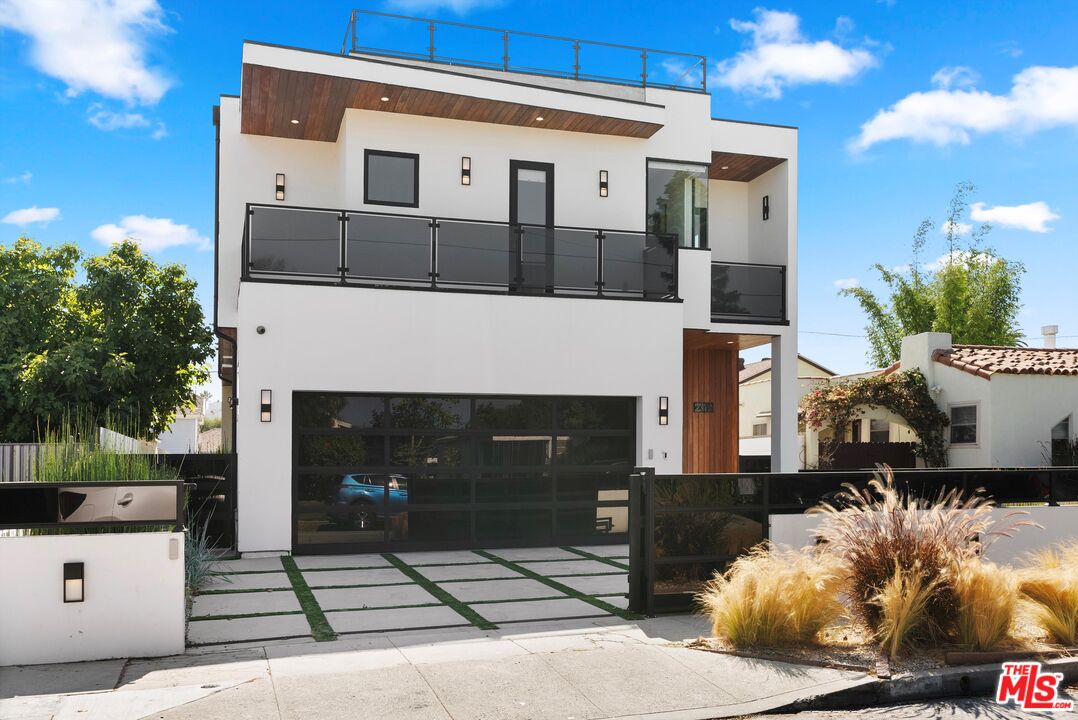
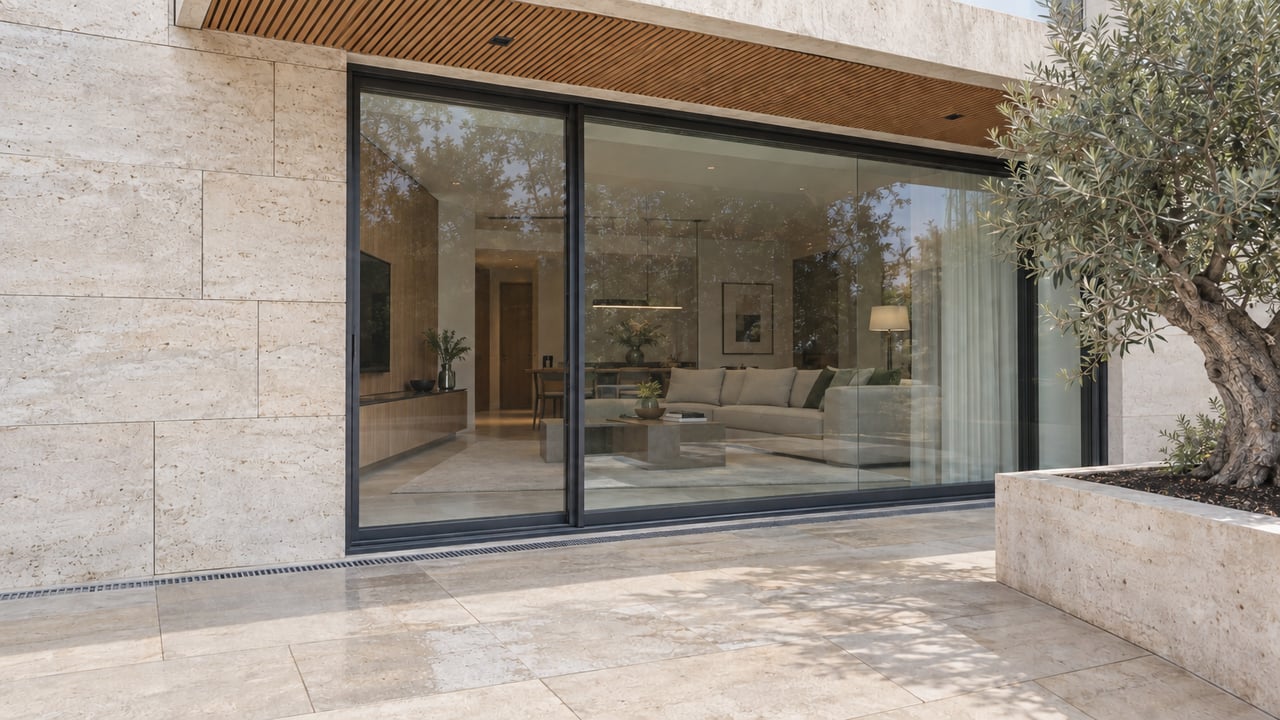
Modern and contemporary new construction dominates higher price points, featuring clean lines, floor-to-ceiling windows, rooftop decks, and luxury finishes. These homes often maximize small lots with three-story designs and range from 2,000-4,000 square feet. Many incorporate sustainable features and smart home technology appealing to tech-industry buyers.
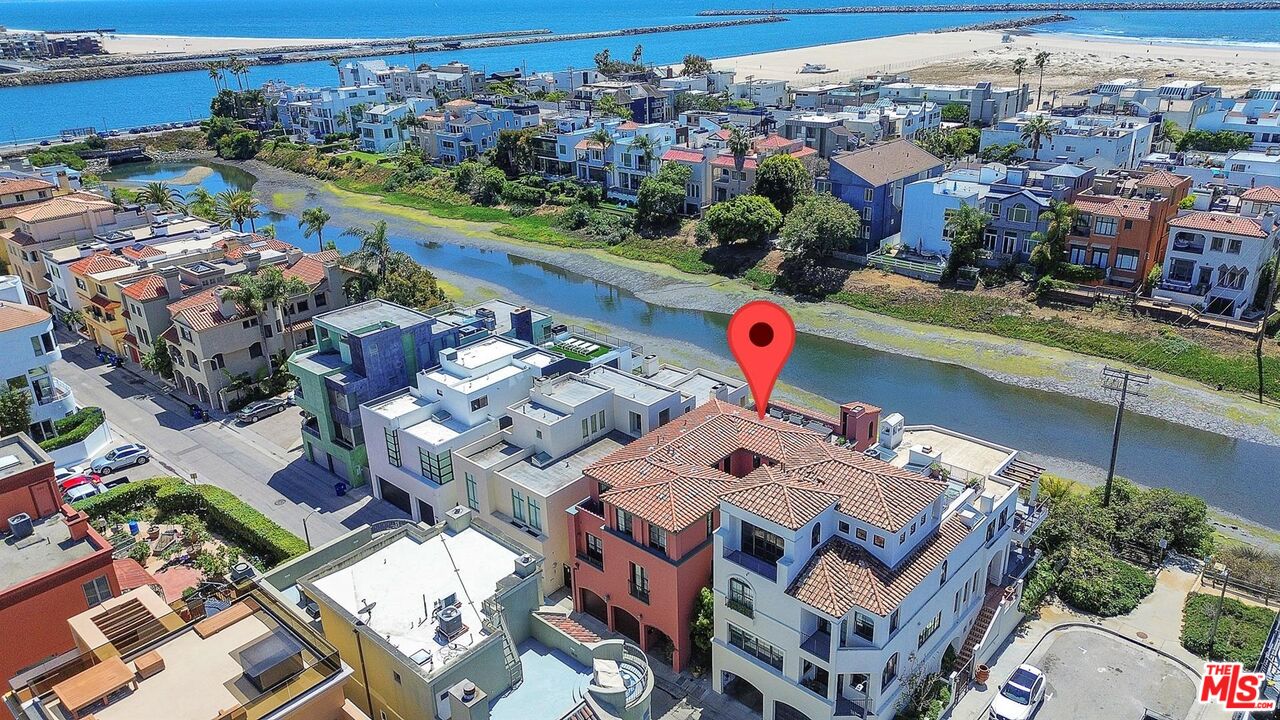
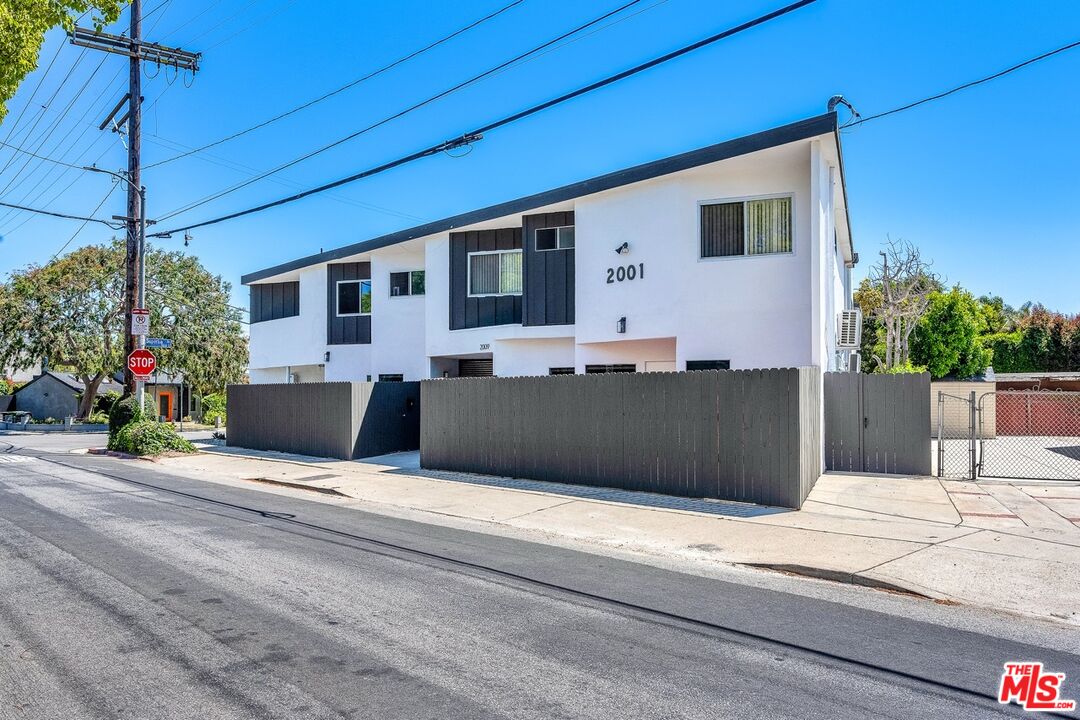
The canal district features unique homes with water frontage, ranging from preserved historic cottages to ultra-modern estates. These properties include private dock access and bridges connecting walkways. Condominiums and townhouses are prevalent, particularly near Abbot Kinney Boulevard and along major corridors, ranging from converted 1960s buildings to newer luxury developments with amenities like parking, rooftop spaces, and bike storage.
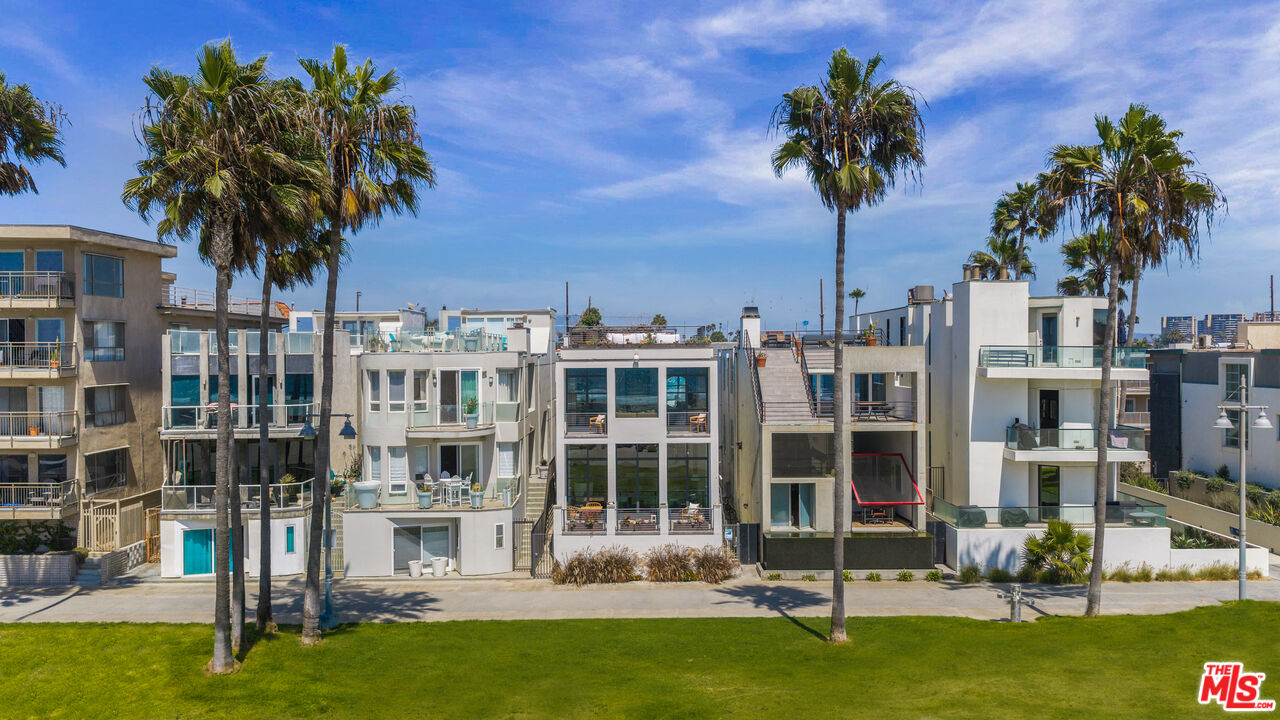
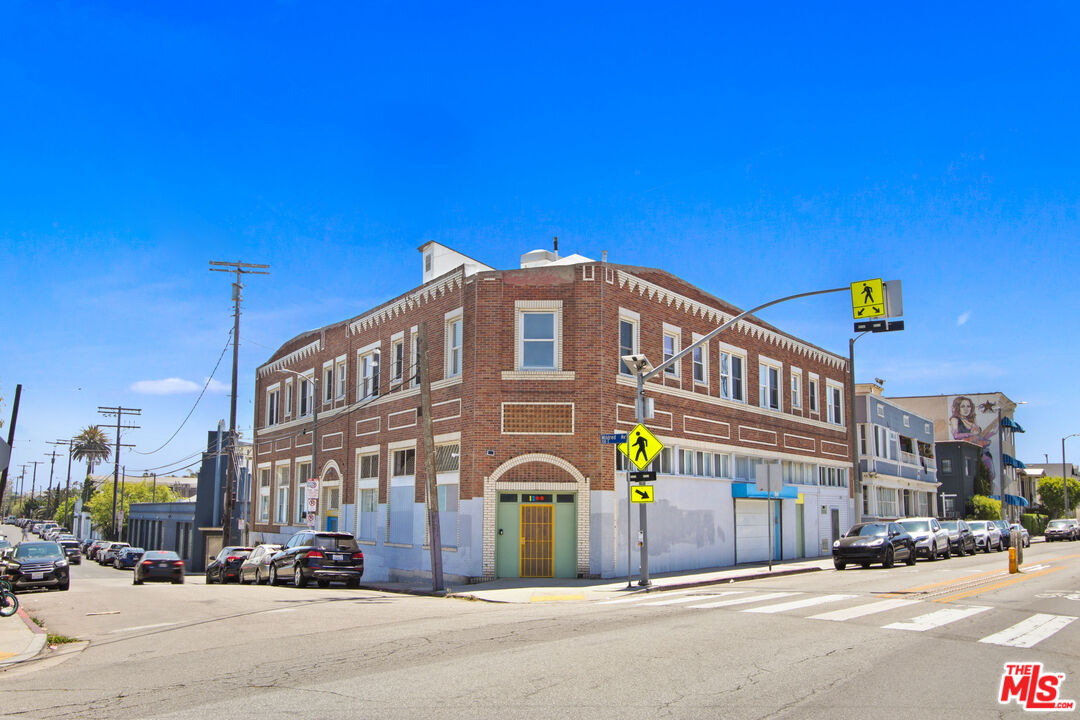
Beach-adjacent properties include everything from small beach cottages to sprawling oceanfront compounds. Walk streets—pedestrian-only lanes near the beach—feature compact homes prized for their car-free ambiance and tight-knit community feel. Converted commercial spaces and live-work lofts attract artists and entrepreneurs, particularly in areas near Rose Avenue and the eastern edges of the neighborhood.
Parking is a critical consideration in Venice, where many older homes have limited or no off-street parking and street parking is competitive, especially near the beach. Properties with garages or dedicated parking spaces command premium prices. Verify parking configurations carefully, as tandem spaces and shared driveways are common in denser areas.
Coastal hazards require attention, including sea-level rise concerns for beachfront and low-lying properties. While Venice doesn't face the same cliff erosion issues as Malibu, future flood risk and insurance costs should be evaluated. FEMA flood zone maps should be reviewed, and flood insurance may be required or advisable for certain properties.
Property age and condition vary dramatically, with many homes requiring significant updates despite high prices. Older homes may have foundation issues, outdated plumbing and electrical systems, and deferred maintenance. Thorough inspections are essential, particularly for properties in the canal district where water proximity can accelerate wear.
HOA fees apply to condominiums and some townhouse communities, ranging from $300-800+ monthly depending on amenities and building age. Review HOA financial health, reserve funds, and any special assessments planned. Some buildings have rental restrictions that may affect investment strategies.
Noise levels vary significantly by location. Areas near the boardwalk experience constant foot traffic, street performers, and nightlife noise. Rose Avenue and Abbot Kinney Boulevard see heavy restaurant and bar activity on weekends. Walk streets and canal areas offer more tranquility but still experience tourist traffic during peak seasons.
Zoning and building restrictions affect renovation potential, especially in historic districts where exterior modifications face scrutiny. Coastal Commission permits may be required for beachfront construction. Lot sizes are typically small, limiting expansion possibilities, and setback requirements can be restrictive.
School assignment depends on specific address, and boundaries can shift. Venice is served by multiple LAUSD schools with varying quality, so verify exact school assignments before purchase if this is a priority.
Market speed has cooled from pandemic peaks, but desirable properties still move quickly. Be prepared to act decisively on prime listings while having financing and contingencies in order. Multiple offer situations remain common for well-priced, updated homes in prime locations.
Seasonality affects Venice's real estate market, with spring (March-June) typically bringing highest buyer activity as families seek to move before the school year and weather improves. Summer remains active with both local buyers and those relocating to LA. Fall sees moderate activity, while winter (November-February) tends to slow, though serious buyers still search during this period.
Pricing strategy is critical in the current market environment. Overpricing leads to extended days on market and eventual price reductions that signal desperation. Competitive pricing at or slightly below comparable sales generates more showing activity and potential multiple offers. Work with agents familiar with Venice's micro-markets, as values vary dramatically block-by-block.
Staging significantly impacts sale price and time on market in Venice's competitive luxury market. Highlight outdoor living spaces—patios, rooftop decks, yards—as these features command premium value. Modern, minimal staging appeals to the tech-savvy buyer demographic. Emphasize natural light and beach lifestyle elements. Professional photography and drone footage are essential marketing tools.
Buyer demographics skew toward affluent professionals in tech, entertainment, and creative industries, typically ages 30-50. Many are first-time Venice buyers moving from other LA neighborhoods or relocating from the Bay Area. International buyers have historically been present but represent a smaller segment. Understanding buyer priorities—walkability, parking, outdoor space, modern finishes—helps position properties effectively.
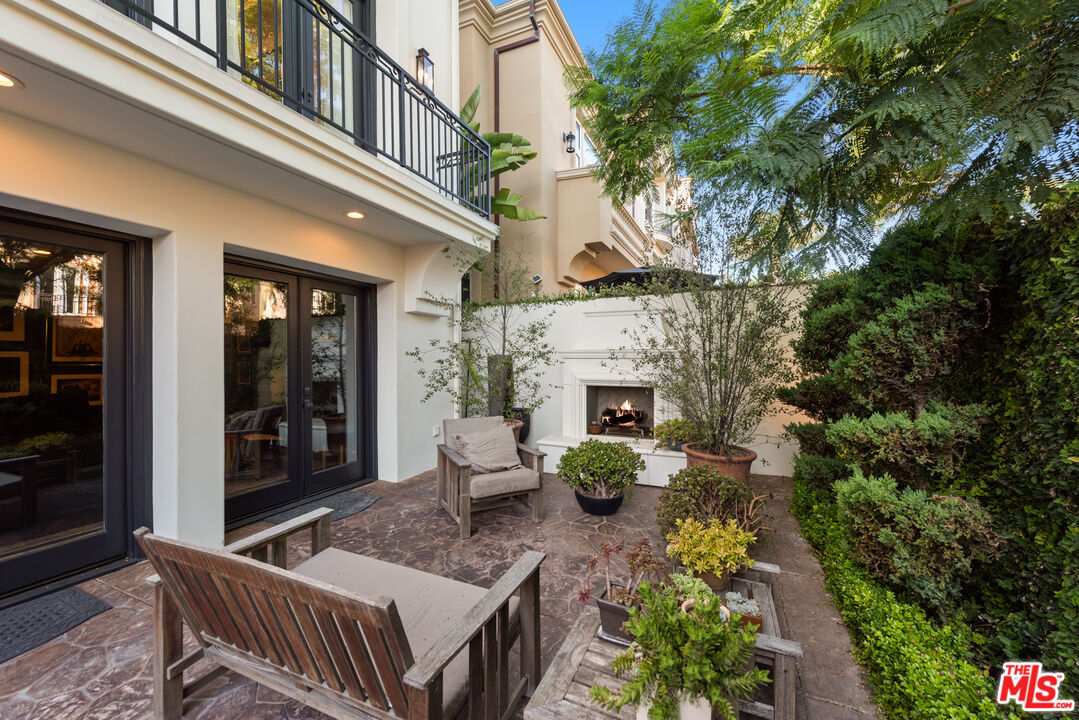
Upgrades that increase value include updated kitchens with high-end appliances and finishes, modern bathrooms, outdoor living spaces with fire features and entertainment areas, smart home technology, energy-efficient systems and solar panels, secure parking solutions, and drought-tolerant landscaping. Adding bedrooms or bathrooms through ADUs (accessory dwelling units) can significantly boost value if zoning permits.
Disclosure requirements are stringent in California. Venice-specific considerations include proximity to high-noise areas, any coastal hazard evaluations, canal maintenance responsibilities if applicable, and parking limitations. Transparency prevents deal complications and legal issues.
Marketing should emphasize Venice's unique lifestyle assets—beach access, Abbot Kinney proximity, walkability, creative community, and architectural character. High-quality visual content showcasing sunset views, outdoor spaces, and neighborhood amenities attracts premium buyers.
Venice's dining scene centers around Abbot Kinney Boulevard, frequently ranked among America's coolest streets, featuring upscale restaurants like Gjelina (California cuisine with wood-fired dishes), Felix Trattoria (handmade pasta and Italian classics), and The Tasting Kitchen (seasonal American fare). Rose Avenue offers additional options including Rose Cafe (all-day dining with bakery and gallery space) and Kreation Organic (health-focused juices and meals).
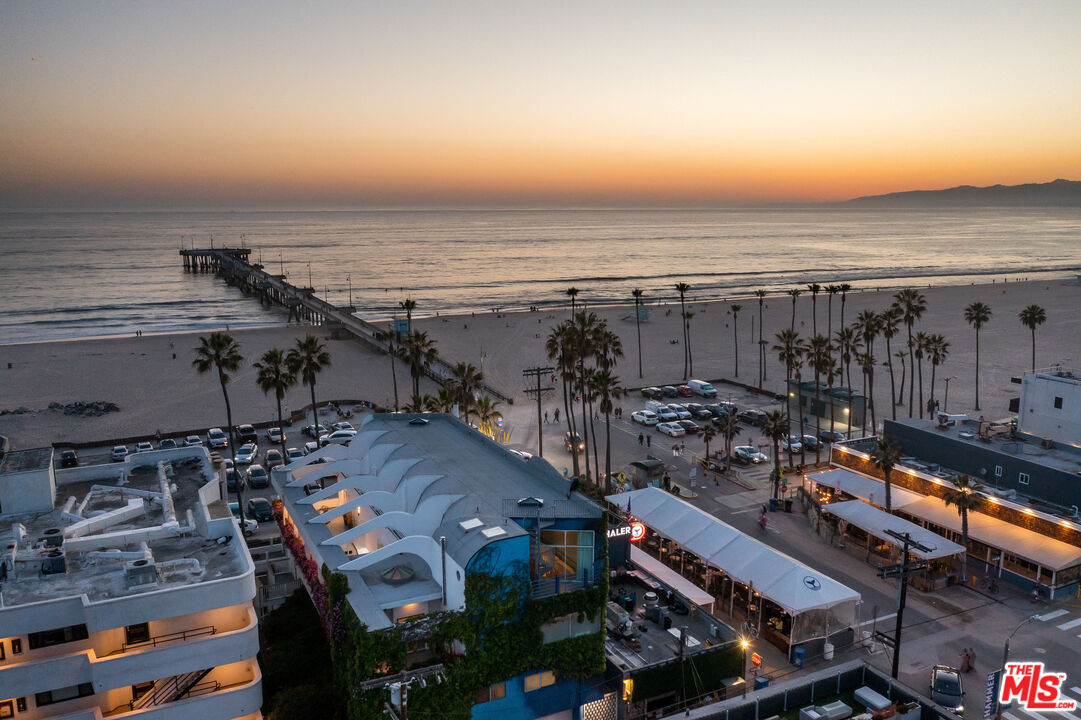
The boardwalk and beach areas provide casual dining with iconic spots like The Sidewalk Cafe (breakfast and people-watching) and Venice Whaler (beachfront bar with ocean views). Washington Boulevard near the beach features James Beach (California comfort food and cocktails) and historic dive bar The Otheroom.
Coffee culture thrives with local roasters including Menotti's Coffee Stop, Blue Bottle Coffee, and Groundwork Coffee. The neighborhood supports numerous juice bars and health-focused cafes catering to the fitness-conscious population.
Entertainment options include The Venice West (live music venue and bar), Townhouse (multiple bars and outdoor space), and The Brig (neighborhood bar with regular events). The Venice Beach Boardwalk provides constant street entertainment with performers, artists, and the famous Muscle Beach outdoor gym. The Venice Skatepark attracts professional skateboarders and spectators.
Cultural venues include small galleries along Abbot Kinney Boulevard, the Venice Art Crawl (quarterly event), and Beyond Baroque Literary Arts Center (poetry readings and workshops). Nightlife is more low-key than Hollywood or downtown LA, focused on lounges and outdoor patios rather than nightclubs.
Abbot Kinney Boulevard serves as Venice's premier shopping destination with approximately 1.5 miles of boutiques, galleries, and design shops. Offerings include high-end clothing boutiques, home goods stores like General Store (curated lifestyle products), Strange Invisible Perfumes (custom fragrances), and Aviator Nation (California-inspired apparel).
Rose Avenue features additional boutiques and the Saturday Venice Farmers Market (7:00 AM-11:00 AM) offering organic produce, prepared foods, and artisan goods. The boardwalk includes souvenir shops, beachwear vendors, and local artisan stalls, though quality varies.
Grocery options include Whole Foods Market on Rose Avenue (full-service natural and organic groceries), Trader Joe's on Washington Boulevard, and Ralphs on Lincoln Boulevard (conventional supermarket). Specialty grocers include Vicente Foods (upscale market with prepared foods) and local co-ops.
Lincoln Boulevard, forming Venice's eastern boundary, offers big-box retail including Target and various chain stores, though this area feels less connected to Venice's core character. Nearby Marina del Rey provides additional shopping at Villa Marina Marketplace.
The neighborhood lacks traditional indoor shopping malls, with retail concentrated along commercial corridors. This supports the walkable, boutique-focused shopping experience that appeals to residents. Many shops are independently owned rather than chains, contributing to Venice's unique character.
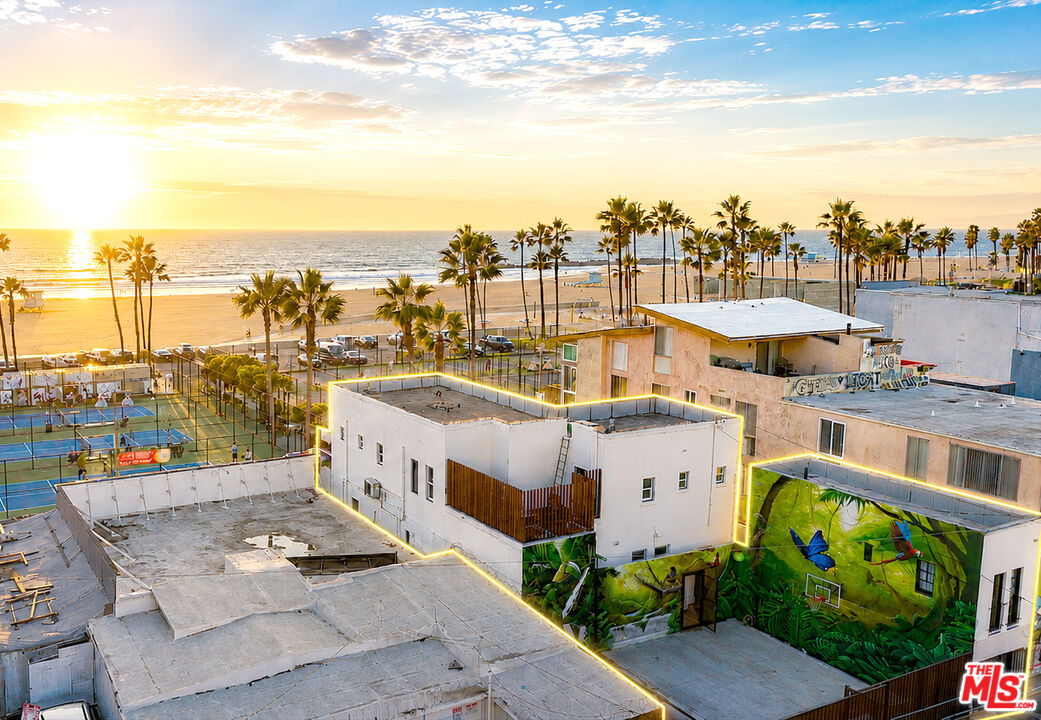
Venice Beach is the neighborhood's defining recreational asset, offering 1.5 miles of sandy shoreline with volleyball courts, basketball courts, the famous Muscle Beach outdoor gym, and the paved boardwalk path popular with cyclists, skaters, and pedestrians. The beach provides swimming, surfing, paddleboarding, and sunbathing, though water quality should be checked after storms.
Venice Skate Park, located at the beach, is a world-renowned 16,000-square-foot concrete facility attracting professional skateboarders and hosting competitions. It's free and open to the public, embodying Venice's alternative sports culture.
The Venice Canals offer unique walking paths along the historic waterways, providing peaceful strolls through the residential canal district with bridges, gardens, and architecture. This area is popular for morning walks and photography.
Nearby recreation includes Ballona Creek bike path (connecting Venice to Culver City), Mar Vista Recreation Center (sports fields and community programs), and Penmar Golf Course (9-hole public course in nearby Mar Vista). Santa Monica State Beach extends northward, providing additional beach access.
Fitness culture is deeply embedded in Venice, with outdoor workout areas at the beach, yoga studios throughout the neighborhood (including Wanderlust Hollywood and YogaWorks), and cycling groups utilizing the bike-friendly streets and paths.
The Pacific Ocean offers year-round water activities including surfing (Breakwater and Venice Pier areas), stand-up paddleboarding, kayaking, and swimming. Surf schools operate seasonally for beginners. The area attracts experienced surfers, though conditions are generally more suitable for intermediate levels compared to other LA County breaks.
The Venice Art Crawl occurs quarterly (typically March, June, September, December) on Abbot Kinney Boulevard, featuring gallery openings, street art, live music, and special retail events. This free event showcases local artists and draws thousands of visitors to the neighborhood's creative community.
Abbot Kinney Festival, held annually in late September, transforms Abbot Kinney Boulevard into a street fair with 300+ vendors, food trucks, live music stages, and art installations. This is Venice's largest annual event, attracting over 50,000 attendees and celebrating the neighborhood's creative culture and local businesses.
Venice Beach Basketball League runs summer tournaments at the beachfront courts, drawing professional and amateur players in competitive streetball games that attract spectators and embody Venice's outdoor sports culture.
Fourth of July brings beach celebrations with fireworks visible from the Venice shoreline, beach parties, and increased pedestrian activity throughout the neighborhood. Local bars and restaurants typically offer special events.
Venice Paparazzi outdoor film series screens movies at the beach during summer months, providing free family-friendly entertainment with ocean backdrop. The Venice Beach Drum Circle gathers spontaneously on weekends, particularly Sundays, near the boardwalk, creating impromptu musical gatherings that have become a neighborhood tradition.
First Fridays on Abbot Kinney features extended shopping hours, special promotions, and gallery openings on the first Friday of each month, encouraging evening exploration of the commercial district.
The neighborhood also benefits from nearby events including the LA Marathon (course runs through Venice), various surfing competitions at Venice Beach, and charity runs utilizing the beach path.
Venice is served by Los Angeles Unified School District (LAUSD) with several public schools serving different areas of the neighborhood. School quality varies significantly, and specific school assignments depend on precise address, so verification with LAUSD is essential when considering properties.
Notable public schools include Westminster Avenue Elementary (K-5), which serves portions of Venice and has LAUSD ratings in the average range. Coeur d'Alene Elementary (K-5) serves parts of western Venice with similar performance metrics. Venice High School (9-12) is the neighborhood's comprehensive high school, offering various academic programs and IB courses, with graduation rates and test scores near LAUSD averages.
Many Venice families utilize the LAUSD permit system to attend schools outside their assigned areas or choose private school options. Proximity to high-performing schools in neighboring Santa Monica (Crossroads School, New Roads School) and Mar Vista (Clover Avenue Elementary) influences some families' decisions.
Private and alternative school options include Coeur d'Alene Montessori (preschool-elementary), Westminster Avenue Elementary School (public but with specialized programs), and various small private preschools and early childhood centers scattered throughout the neighborhood. Many families also consider private schools in nearby Santa Monica, Culver City, and West LA for K-12 education.
Early childhood education is well-represented with numerous preschools and daycare centers, including Baby+Mommy Learning Center, Bright Child Manhattan Beach/Venice, and various in-home and small-center options catering to working parents in the neighborhood.
Higher education access is excellent, with Loyola Marymount University located nearby in Playa Vista/Westchester (approximately 3 miles south), UCLA in Westwood (approximately 8 miles northeast), and Santa Monica College (community college) just north in Santa Monica. These institutions provide continuing education opportunities and cultural events for residents.
Overall, families seriously prioritizing top-rated public schools may find Venice challenging without utilizing permits or private options, though the neighborhood's other amenities and lifestyle factors often outweigh school concerns for many buyers. The creative, non-traditional character of Venice attracts families who value alternative educational approaches and cultural exposure over conventional academic rankings.
Venice's commute options vary significantly depending on destination and mode of transportation. The neighborhood is not directly served by LA Metro rail, creating dependence on buses, bikes, or cars for most commuting. Traffic congestion is substantial, particularly during peak hours on Lincoln Boulevard, Washington Boulevard, and Venice Boulevard.
Driving to major employment centers: Downtown Los Angeles is approximately 15-20 miles (30-60 minutes depending on traffic), Westside tech campuses in Playa Vista and Santa Monica are 5-15 minutes, Century City and Beverly Hills are 20-35 minutes, and LAX airport is approximately 15-25 minutes via I-405 or surface streets. Rush hour traffic significantly extends these times, with I-405 and I-10 freeways frequently congested.
Major highway access includes the I-405 freeway (approximately 2-3 miles east via Washington or Venice Boulevard), providing north-south connectivity, and the I-10 freeway (approximately 3-4 miles north via Lincoln Boulevard), offering east-west access. Surface street alternatives include Lincoln Boulevard (major north-south arterial), Venice Boulevard (east-west route to downtown), and Washington Boulevard (east-west route to I-405).
Public transportation options include LA Metro bus lines with service along Lincoln Boulevard (Rapid Line 733), Venice Boulevard, and Washington Boulevard, connecting to Metro rail stations in Culver City and downtown. BigBlue Bus (Santa Monica's system) operates routes through Venice connecting to Santa Monica. However, bus commutes are generally slow, and Venice's distance from rail makes transit-dependent commuting challenging for most employment centers.
Cycling is popular and practical for local trips and accessing nearby areas, with bike lanes on Venice Boulevard, Washington Boulevard, and the beachfront bike path extending to Santa Monica and Redondo Beach. Many residents use bikes for local errands and beach access. The flat terrain makes cycling accessible for most fitness levels.
Ride-sharing services (Uber, Lyft) are readily available and commonly used for nights out and airport trips. Traffic congestion during events and summer weekends can make ridesharing expensive and slow.
Remote work is common among Venice residents, particularly in the tech sector, reducing commute concerns for many. The neighborhood's coworking spaces and coffee shops accommodate the laptop lifestyle. For those commuting to Westside tech offices or creative industry jobs in Santa Monica, Culver City, or Playa Vista, Venice offers reasonable access.
Overall, Venice works best for those with flexible schedules, Westside employment, remote work arrangements, or high tolerance for LA traffic. Commuting to downtown LA or the San Fernando Valley involves significant time and traffic challenges that should be carefully considered.
Venice's greatest appeal is its authentic beach-town character that hasn't been sanitized or corporatized despite gentrification. Residents appreciate living in a neighborhood that celebrates individuality, creativity, and diversity rather than conforming to typical LA polish. The morning surf session followed by coffee on Abbot Kinney Boulevard represents a lifestyle that's difficult to replicate elsewhere in Los Angeles.
Walkability distinguishes Venice from most LA neighborhoods, with residents able to handle daily errands, dining, and entertainment on foot or bike. The beach, canals, Abbot Kinney shops, and local restaurants create a self-contained ecosystem reducing car dependency for local activities. Walk streets and the canal district offer pedestrian-friendly environments rare in car-dominated Southern California.
The creative community attracts artists, entrepreneurs, and cultural contributors who value living among like-minded individuals. Venice's history as an artist colony persists through galleries, street art, performance spaces, and the general acceptance of unconventional lifestyles and careers. This creates an inspiring environment for creative work and innovative thinking.
Outdoor lifestyle access is unparalleled, with the Pacific Ocean steps away, year-round comfortable weather enabling constant outdoor activity, and a fitness culture that makes healthy living the norm rather than the exception. Morning yoga on the beach, afternoon paddleboarding, and sunset bike rides are routine rather than special occasions.
The neighborhood's imperfections—grittiness, occasional chaos, diverse socioeconomic mix—actually enhance its appeal for many residents who reject sterile, manicured environments. Venice feels real in a city sometimes criticized for artifice. The juxtaposition of multimillion-dollar homes near encampments and street life creates complexity that residents either embrace or struggle with, but rarely ignore.
Community connection develops through repeated interactions at local coffee shops, the farmers market, beach activities, and neighborhood events. Despite its size and density, Venice fosters a village-like familiarity where neighbors recognize each other and local business owners know regular customers.
Investment in the neighborhood's future shows through ongoing improvements, business openings, and community activism protecting Venice's character against overdevelopment. Residents feel they're part of a dynamic, evolving place rather than a static community.
The Venice Canal Historic District, particularly Grand Canal, Linnie Canal, Howland Canal, and Eastern Canal, represents Venice's most unique and coveted addresses. Properties with canal frontage offer private dock access, bridges, and European-inspired ambiance. Homes here range from preserved historic cottages to ultra-modern estates, with premium pricing reflecting the limited supply and distinctive setting.
Walk streets near the beach—particularly Market Street, Speedway, and Grand Boulevard—attract buyers seeking car-free living and tight community bonds. These pedestrian-only lanes feature compact homes with beach proximity and village atmosphere. Strong community identity and limited turnover make these addresses highly desirable.
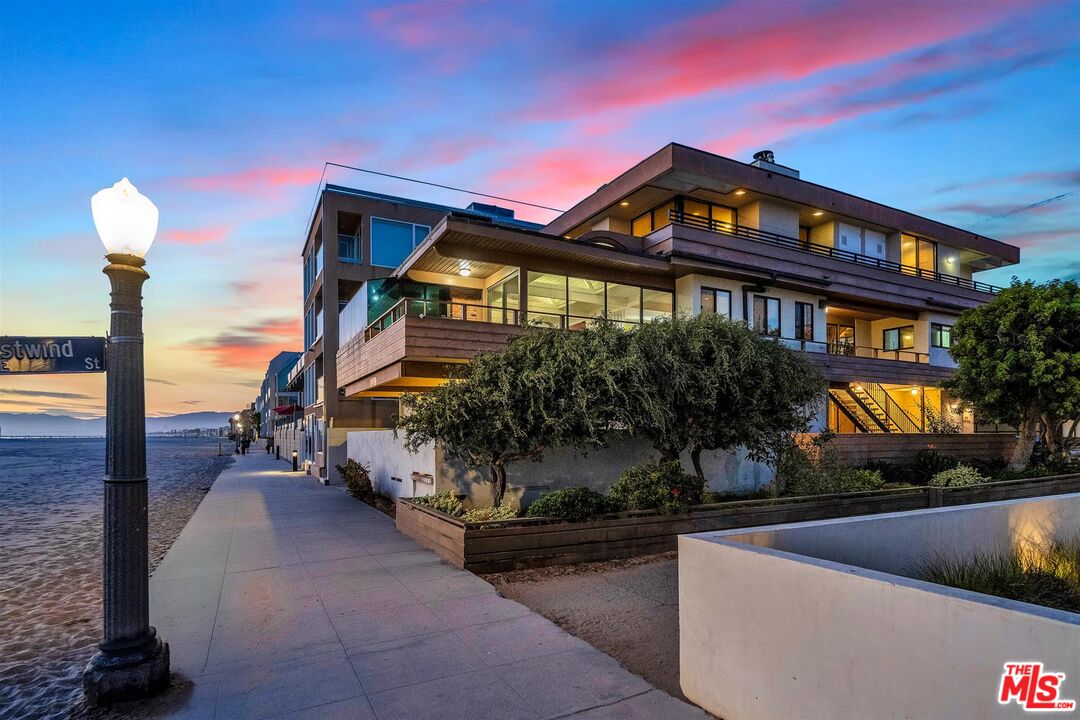
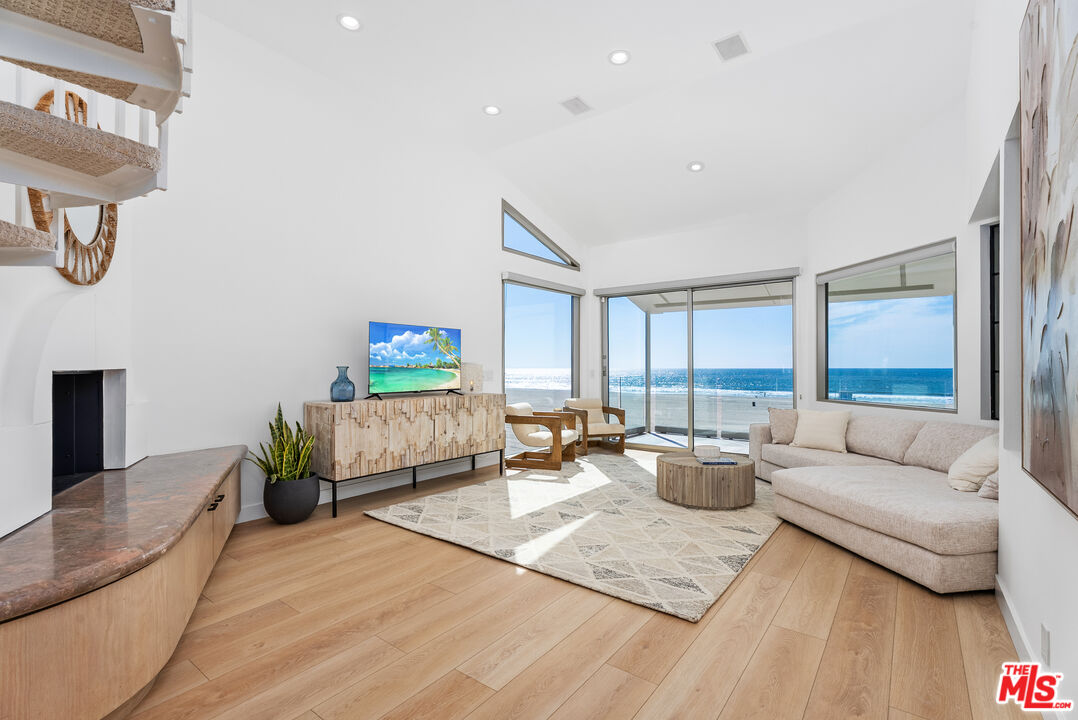
Beachfront properties along Ocean Front Walk command the highest prices despite boardwalk activity and noise. Direct beach access and unobstructed ocean views justify premium valuations, particularly for large estates with modern construction and privacy features. Limited supply ensures continued demand.
The "Silicon Beach" corridor near Abbot Kinney Boulevard and Rose Avenue attracts tech professionals seeking walkability to restaurants, shops, and coworking spaces. Modern condos and townhouses in this area trade frequently and maintain strong values due to lifestyle amenities and central location.
Brooks Avenue and its surrounding streets between Abbot Kinney and the beach offer a sweet spot of residential tranquility with easy access to commercial amenities. Homes here avoid boardwalk chaos while maintaining short walks to dining and shopping.
Oakwood neighborhood, particularly the historic core south of Venice Boulevard, represents important African American cultural heritage in Venice. While property values here remain relatively more accessible than waterfront areas, gentrification pressures are increasing as buyers recognize the area's cultural significance and development potential.
Eastern Canal Court and surrounding canal-adjacent streets provide canal district ambiance at somewhat lower price points than direct waterfront properties, appealing to buyers seeking the neighborhood's character without maximum premiums.
Venice represents a lifestyle choice as much as a real estate decision, attracting those willing to embrace both its extraordinary assets and inherent challenges. Daily life centers around outdoor activities, creative pursuits, and community engagement rather than conventional suburban routines. Residents develop thick skin regarding street life, tourist crowds, and the neighborhood's occasionally chaotic energy.
The morning rhythm often begins with beach activities—surfing, yoga, running the strand—before transitioning to work, whether that's a Westside office commute or laptop sessions at local coffee shops. Midday breaks might include quick Abbot Kinney lunch spots or beachfront walks. Evenings bring rooftop gatherings, restaurant dinners, or casual drinks at neighborhood bars rather than formal entertaining.
Practical realities include parking frustrations, particularly during summer weekends when tourists flood the area, and homelessness challenges that persist despite various municipal interventions. Property crime occurs, requiring security awareness and home protection measures. The neighborhood's popularity means privacy is limited, and crowds are inevitable during peak times.
Yet residents repeatedly cite Venice's irreplaceable character—the unexpected street art discoveries, impromptu musical performances, diverse human interactions, and daily ocean access—as worth the trade-offs. For those who thrive on energy, creativity, and coastal living, Venice delivers an authentic Los Angeles beach experience unavailable in more polished communities.
The sense of living somewhere special, imperfect but genuine, creates fierce neighborhood loyalty. Venice residents don't just live here; they identify with the place and defend its character against homogenization. This creates a community of people who've actively chosen the Venice lifestyle rather than defaulting to a generic suburb.
Long-term satisfaction depends on aligning personal values with Venice's character: embracing diversity over homogeneity, accepting imperfection for authenticity, prioritizing experience over material perfection, and valuing community and creativity as much as conventional success metrics. For those aligned with these values, Venice offers one of Southern California's most rewarding places to call home.
There's plenty to do around Venice, including shopping, dining, nightlife, parks, and more. Data provided by Walk Score and Yelp.
Explore popular things to do in the area, including Panini On Wheels, MUNCHOS! Raw Snacks, and Billy Reid.
| Name | Category | Distance | Reviews |
Ratings by
Yelp
|
|---|---|---|---|---|
| Dining | 0.51 miles | 0 reviews | 0/5 stars | |
| Dining | 0.51 miles | 0 reviews | 0/5 stars | |
| Shopping | 0.23 miles | 1 review | 4/5 stars | |
| Shopping | 0.43 miles | 3 reviews | 4.3/5 stars | |
| Shopping | 0.73 miles | 0 reviews | 0/5 stars | |
| Active | 0.22 miles | 2 reviews | 3/5 stars | |
| Active | 0.22 miles | 0 reviews | 0/5 stars | |
| Active | 0.49 miles | 3 reviews | 2.3/5 stars | |
| Active | 0.51 miles | 0 reviews | 0/5 stars | |
| Active | 0.51 miles | 0 reviews | 0/5 stars | |
| Active | 0.51 miles | 0 reviews | 0/5 stars | |
| Active | 0.51 miles | 6 reviews | 5/5 stars | |
| Active | 0.52 miles | 0 reviews | 0/5 stars | |
| Active | 0.52 miles | 19 reviews | 4.3/5 stars | |
| Active | 0.52 miles | 0 reviews | 0/5 stars | |
| Active | 0.72 miles | 1 review | 1/5 stars | |
| Active | 0.72 miles | 0 reviews | 0/5 stars | |
| Active | 0.73 miles | 0 reviews | 0/5 stars | |
| Beauty | 0.24 miles | 10 reviews | 5/5 stars | |
| Beauty | 0.59 miles | 0 reviews | 0/5 stars | |
| Beauty | 0.7 miles | 1 review | 3/5 stars | |
|
|
||||
|
|
||||
|
|
||||
|
|
||||
|
|
||||
|
|
Venice has 18,701 households, with an average household size of 2. Data provided by the U.S. Census Bureau. Here’s what the people living in Venice do for work — and how long it takes them to get there. Data provided by the U.S. Census Bureau. 34,375 people call Venice home. The population density is 14,106 and the largest age group is Data provided by the U.S. Census Bureau.
Total Population
Population Density Population Density This is the number of people per square mile in a neighborhood.
Median Age
Men vs Women
Population by Age Group
0-9 Years
10-17 Years
18-24 Years
25-64 Years
65-74 Years
75+ Years
Education Level
Total Households
Average Household Size
Average individual Income
Households with Children
With Children:
Without Children:
Marital Status
Blue vs White Collar Workers
Blue Collar:
White Collar: