8,844 people live in Marina Del Rey, where the median age is 37.8 and the average individual income is $97,684. Data provided by the U.S. Census Bureau.
Total Population
Median Age
Population Density Population Density This is the number of people per square mile in a neighborhood.
Average individual Income
There are few places in Los Angeles where you can wake up to the gentle clink of halyards against masts, walk out your door to a paddleboard launch, and still be at LAX in under fifteen minutes. Marina del Rey is that rare Westside enclave where the water isn't a view you pay extra for—it's the organizing principle of daily life.
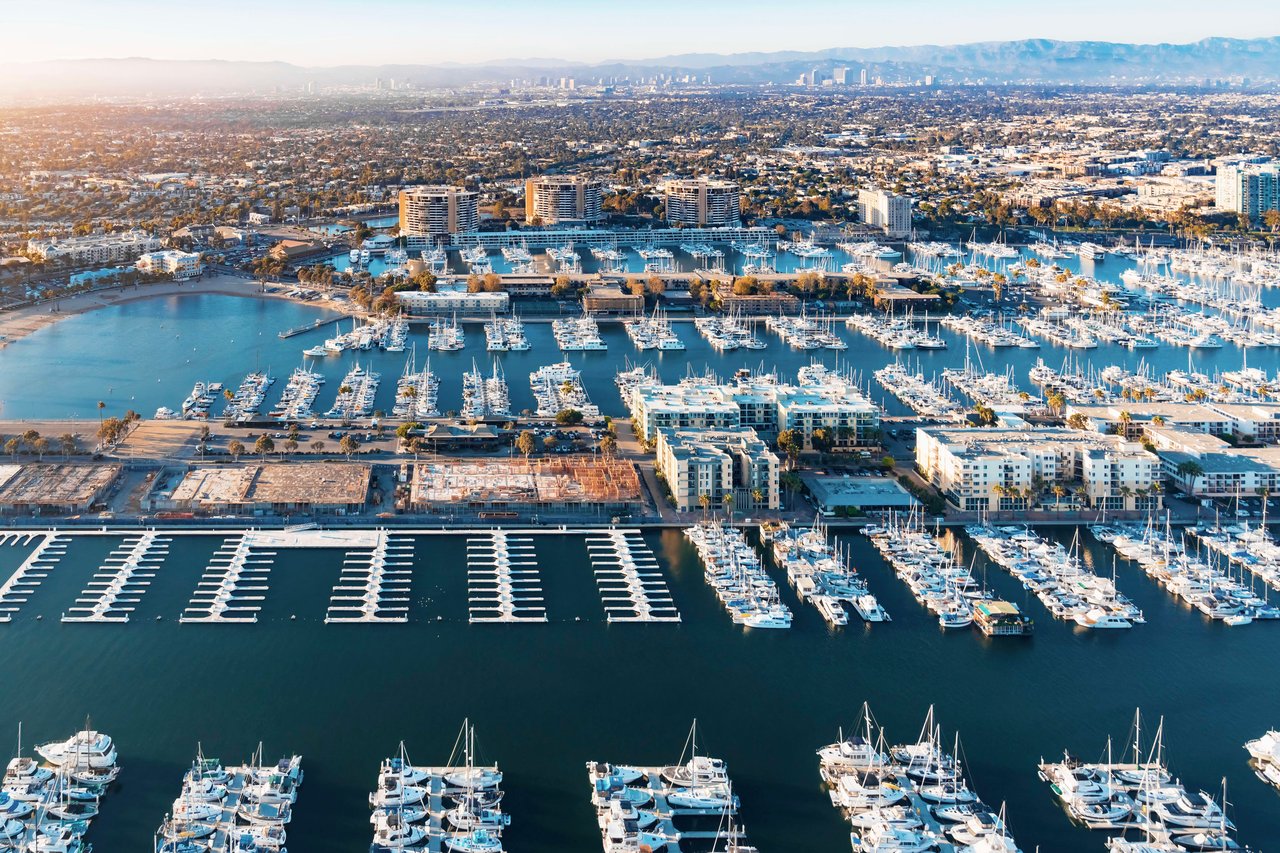
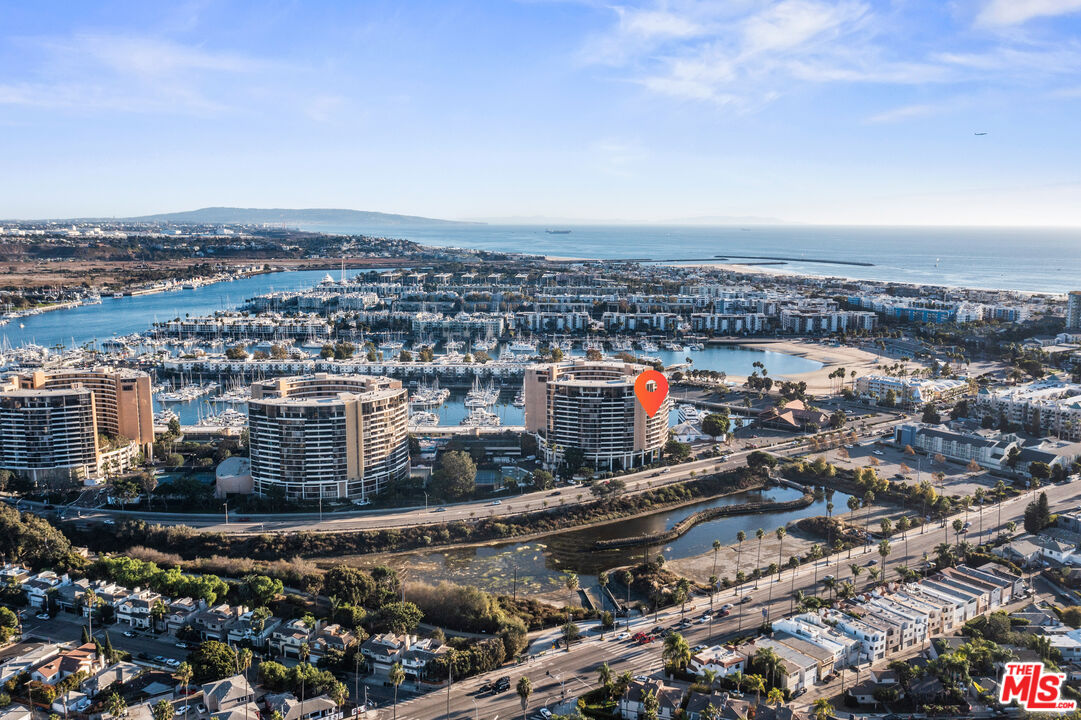
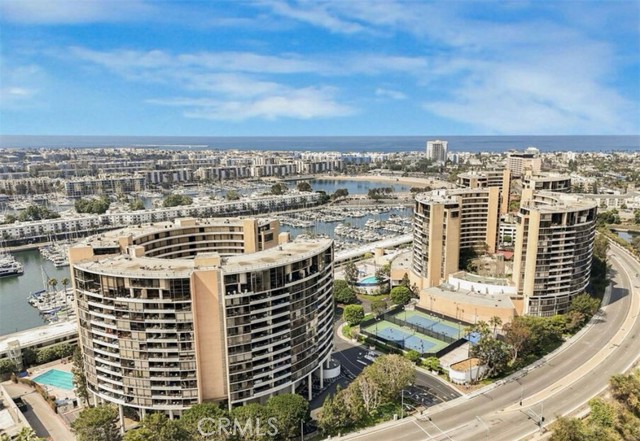
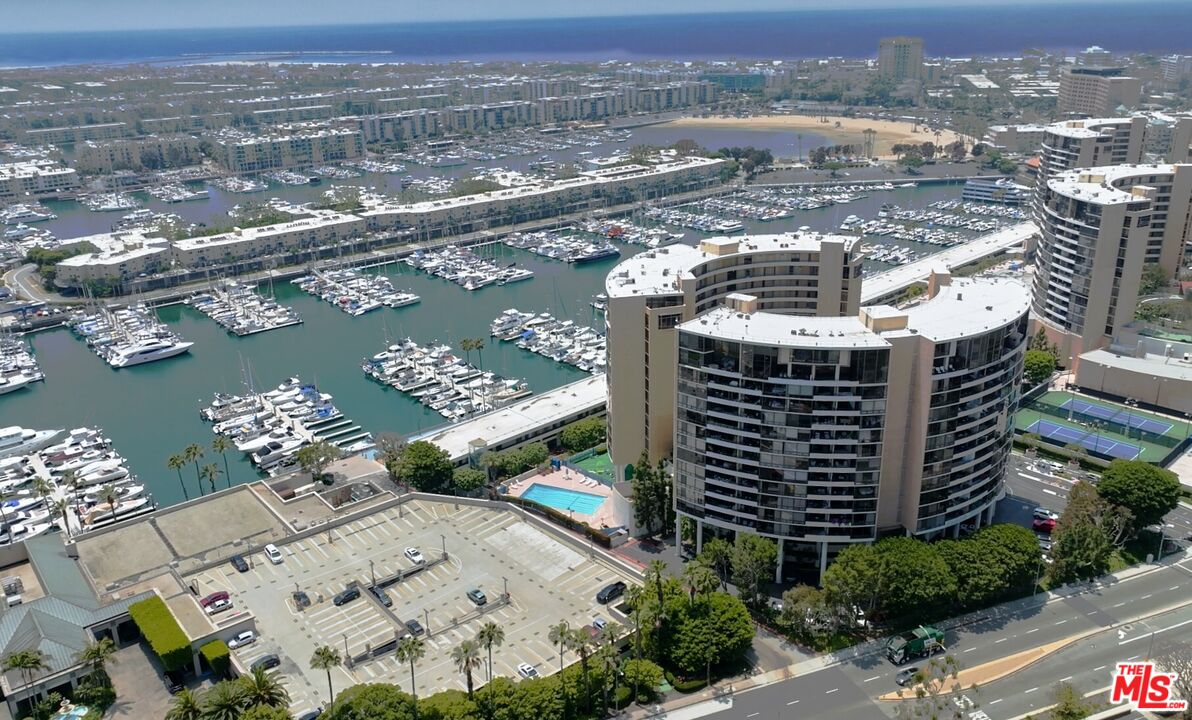
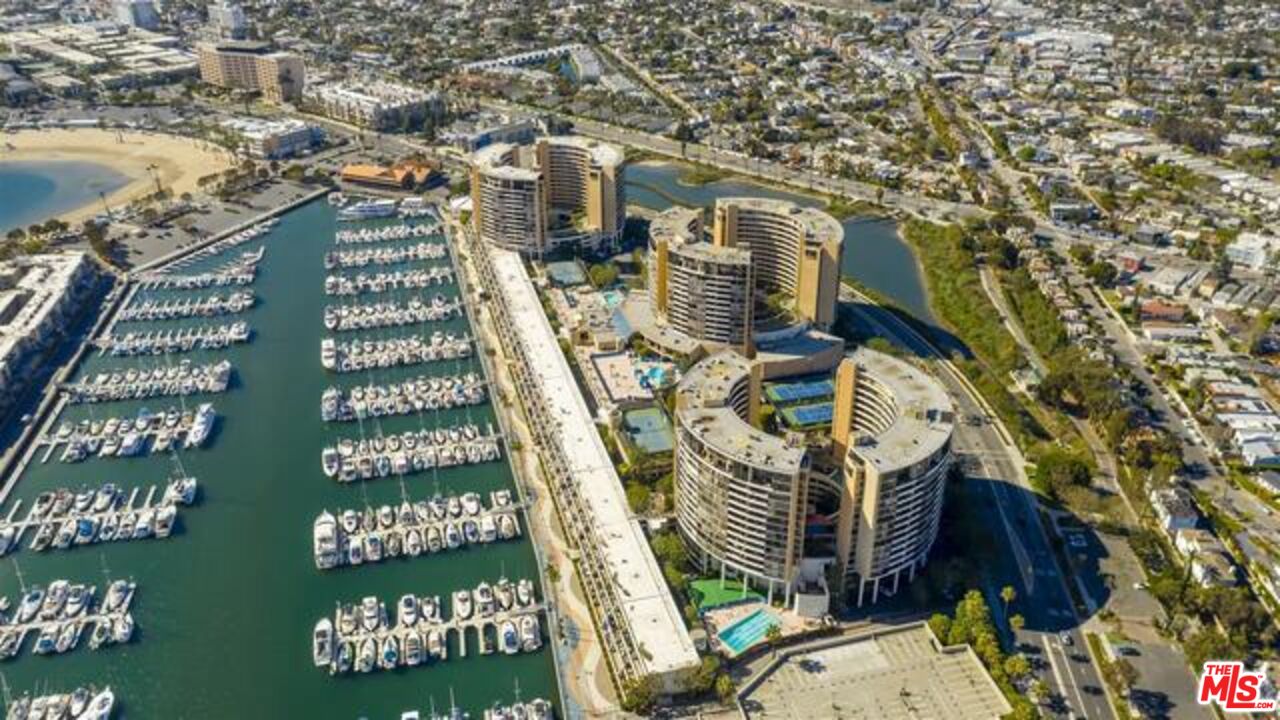
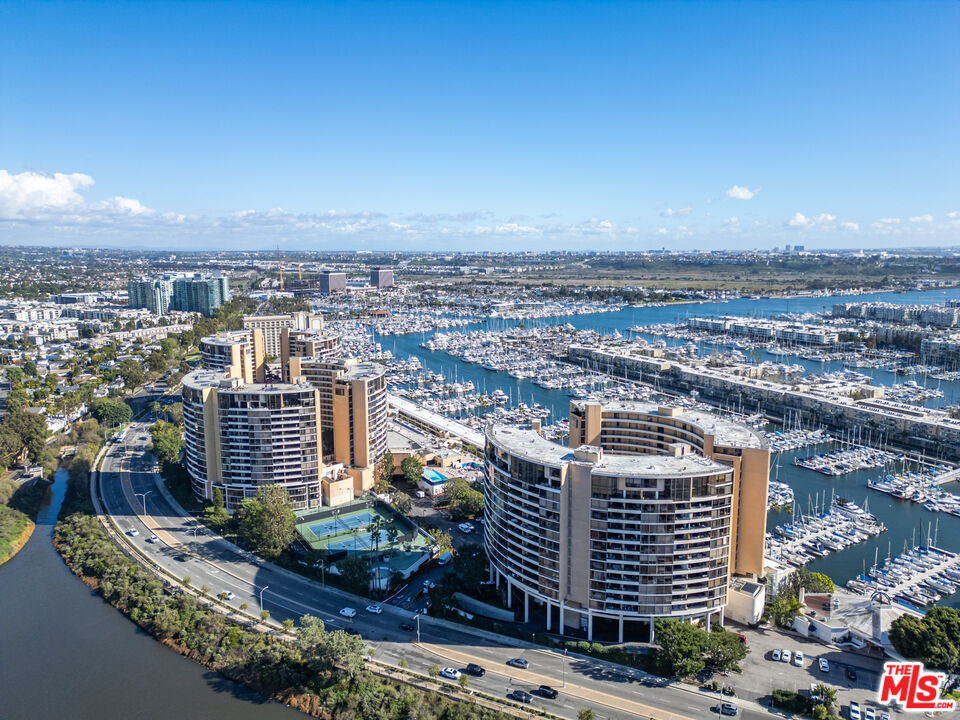
Tucked between Venice to the north and Playa Vista to the east, this unincorporated pocket of Los Angeles County is built around North America's largest man-made small-craft harbor. What that means for anyone considering a move here is a lifestyle that feels more like a permanent vacation than a commute-and-crash bedroom community. The pace is slower, the light off the water is softer, and the sense of being slightly removed from the intensity of the rest of the city is very real, even though you're minutes from everything.
This guide is meant to give you an honest, grounded picture of what it's actually like to live here: the history that shaped the harbor, the distinct pockets you can choose to call home, what the market looks like, and the rhythms of a coastal life most people only get on weekends. Whether you're a first-time buyer eyeing a waterfront condo or a boat owner looking to live steps from your slip, this is the lay of the land.
Marina del Rey looks so purpose-built that it's easy to forget the harbor is entirely man-made—and that it very nearly never happened at all. Long before the boat slips and high-rises, this was a natural estuary and coastal marshland fed by Ballona Creek, home for centuries to the indigenous Tongva people.
The first attempt to reshape it came in 1887, when an entrepreneur named M.C. Wicks tried to convert the salt marshes into a commercial port he called "Port Ballona." Financial trouble and a series of brutal winter storms sank the plan, and nearby San Pedro won the designation as Los Angeles' official commercial harbor instead. The dream sat dormant for decades.
What eventually revived it was a shift in ambition—from freight to recreation. In 1953, President Dwight D. Eisenhower signed legislation authorizing a federal study, and Congress went on to approve construction of a major small-craft harbor under the U.S. Army Corps of Engineers. Dredging began in 1958, moving millions of cubic yards of sand. Then nature intervened again: a severe storm in 1962 sent surge waves crashing into docked boats and infrastructure, forcing engineers to design and install a 2,300-foot offshore detached breakwater to shield the harbor basin. That breakwater is the quiet reason the marina's waters stay so calm today.
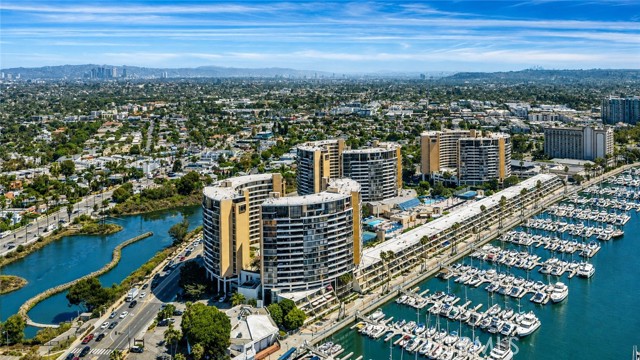
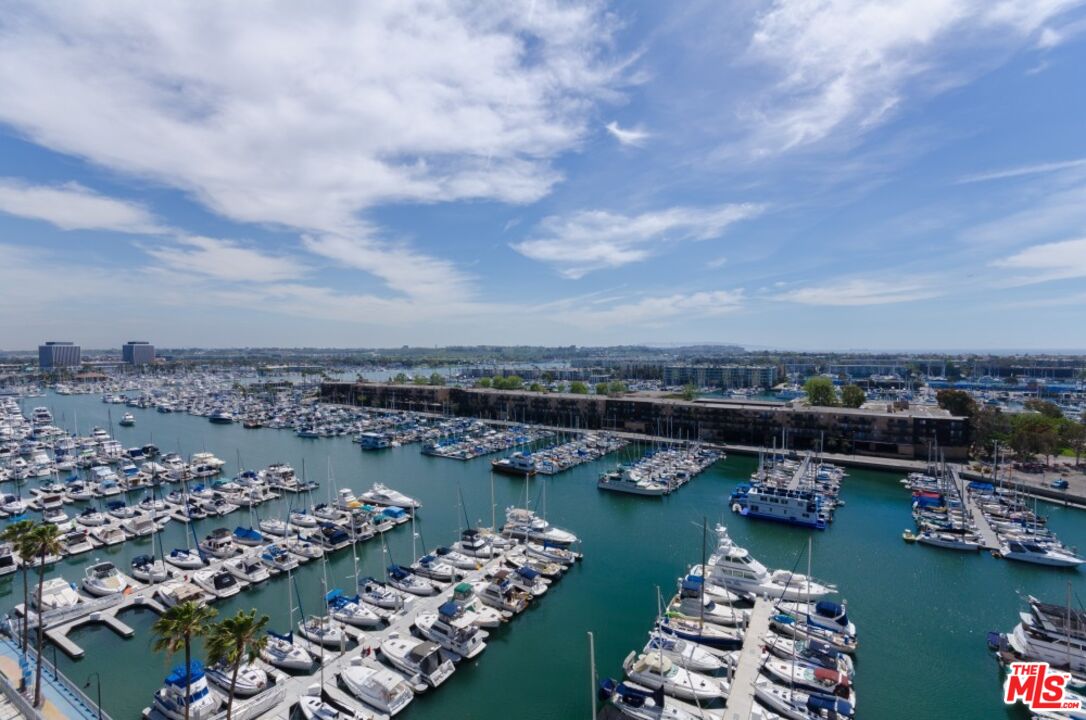
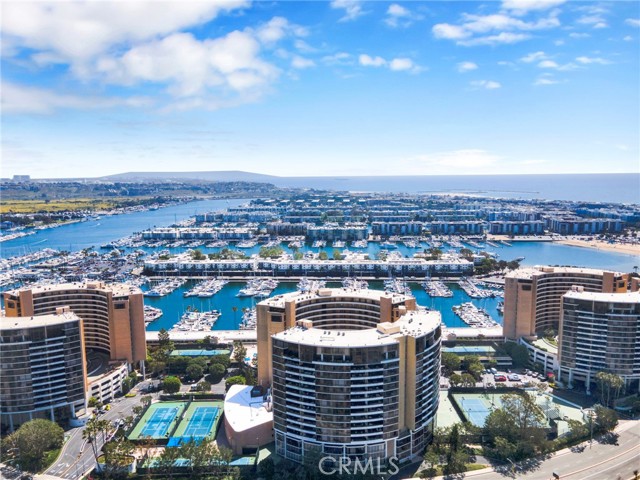
Marina del Rey formally opened in April 1965. It now holds roughly 4,600 boat slips across eight basins—the largest man-made harbor for small craft on the continent. For a place that took nearly eighty years and a few disasters to build, it wears its history lightly.
Life here organizes itself around the water, but not in a way that demands you own a yacht to belong. The everyday texture of Marina del Rey is more accessible than its polished reputation suggests.
On any given morning, you'll find residents paddleboarding through the sheltered basins, taking a sailing lesson, or renting an electric Duffy boat for a lazy afternoon cruise along the main channel. The 22-mile Marvin Braude Bike Trail—known locally as "The Strand"—runs straight through the neighborhood, connecting you north toward Venice and Santa Monica and south all the way to the South Bay beaches. It's the kind of infrastructure that makes a car feel optional on weekends.
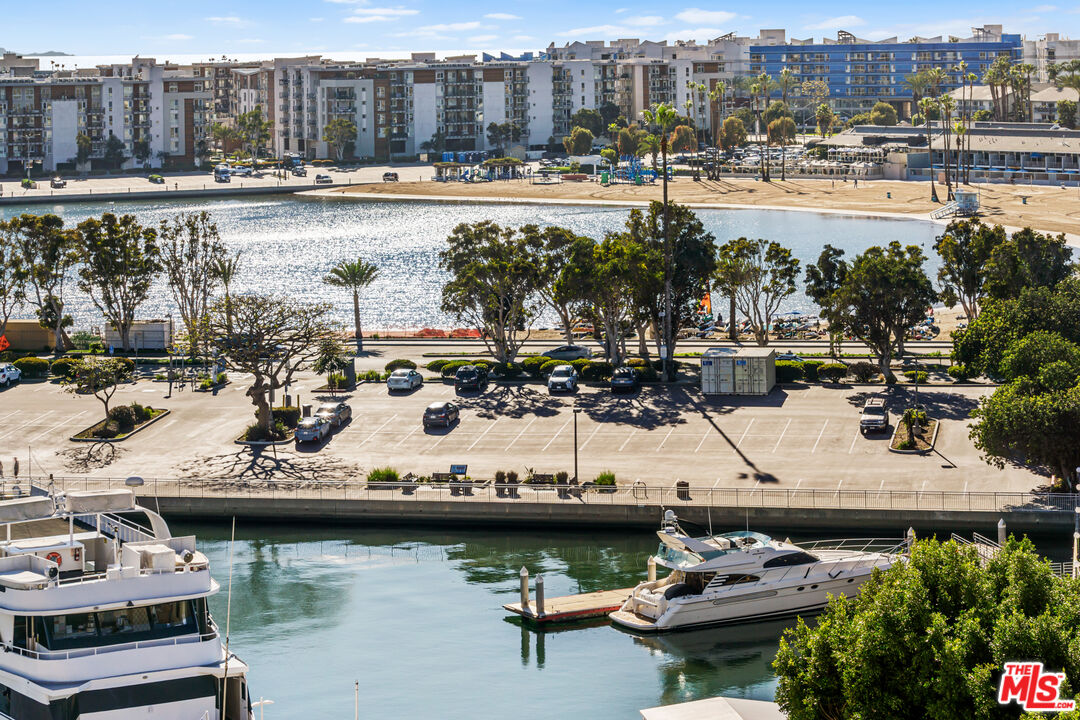
The social heart of the community is Burton Chace Park, a 10-acre green space surrounded by water on three sides that hosts summer concerts, outdoor movie nights, and casual gatherings. For families, Mother's Beach offers a sheltered, wave-free stretch of sand right inside the harbor—ideal for small kids, swim practice, and launching kayaks without contending with surf.
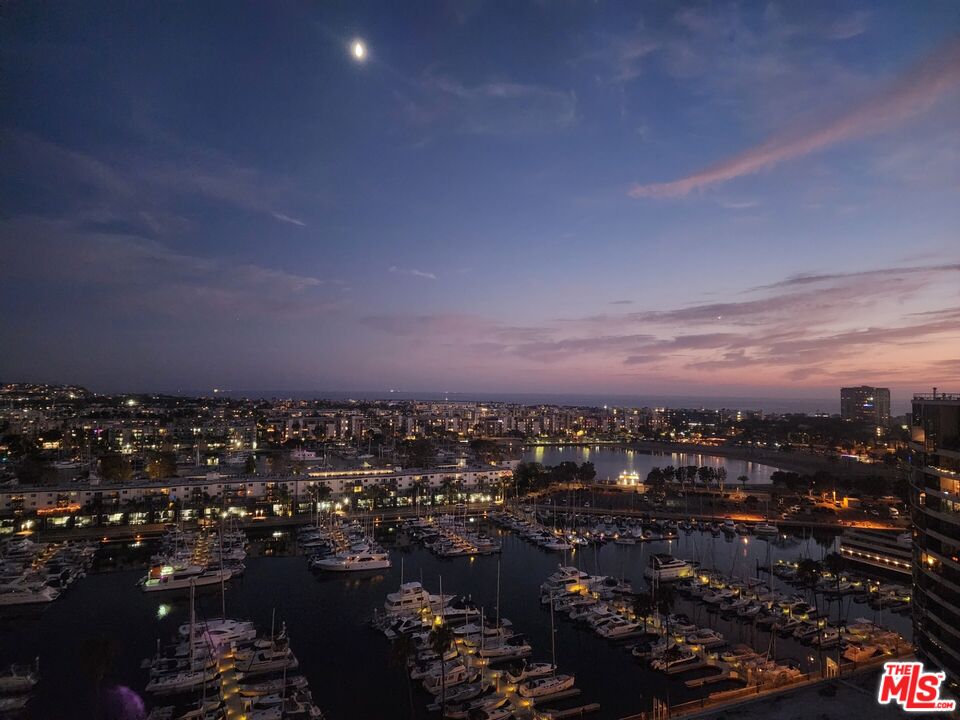
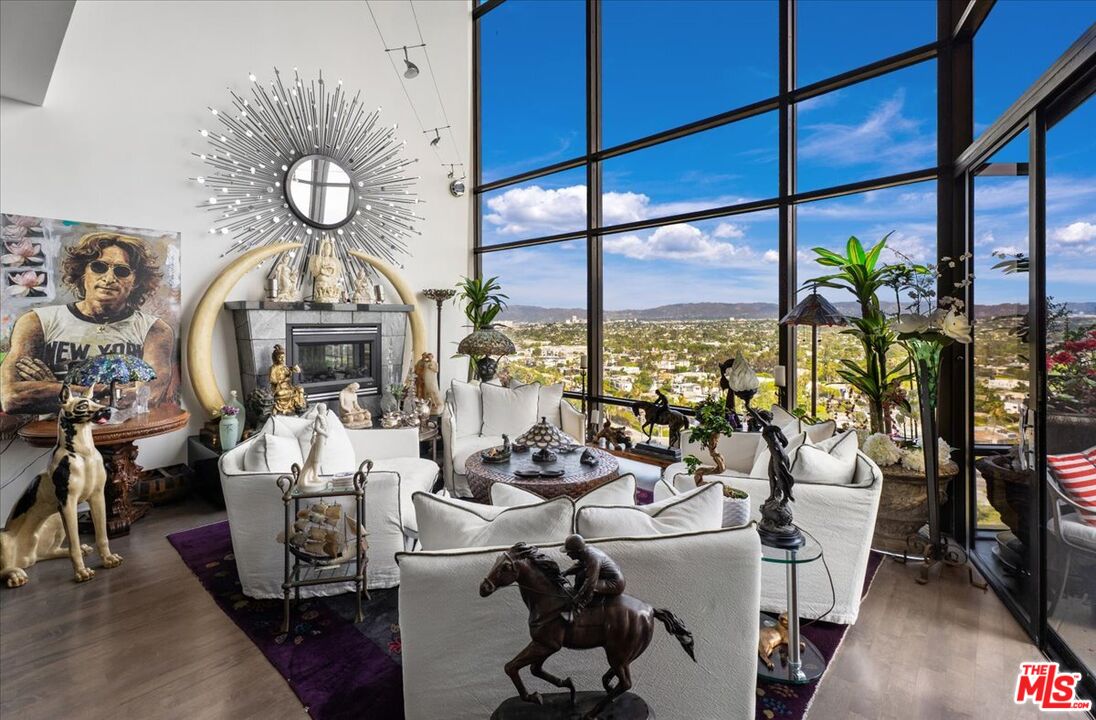
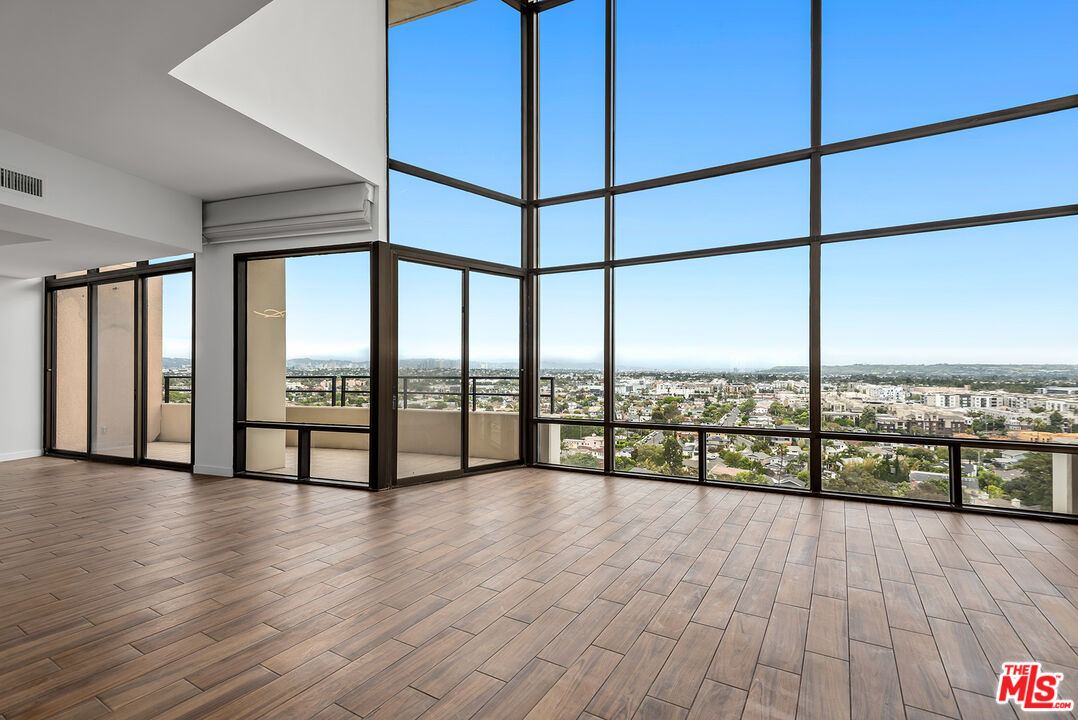
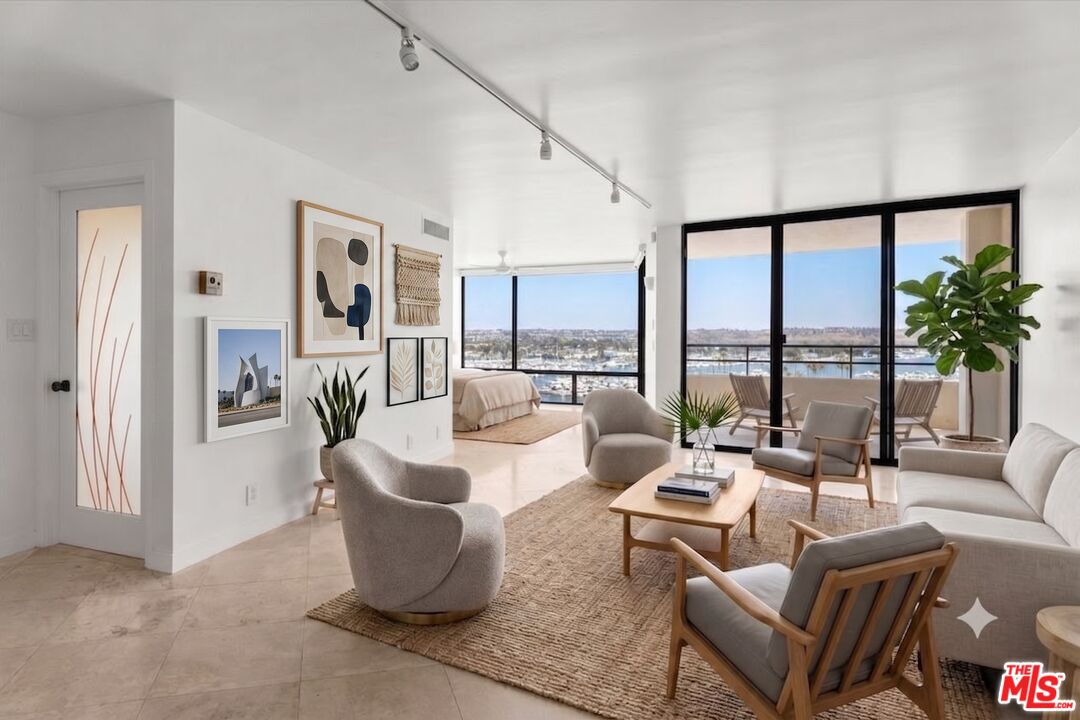
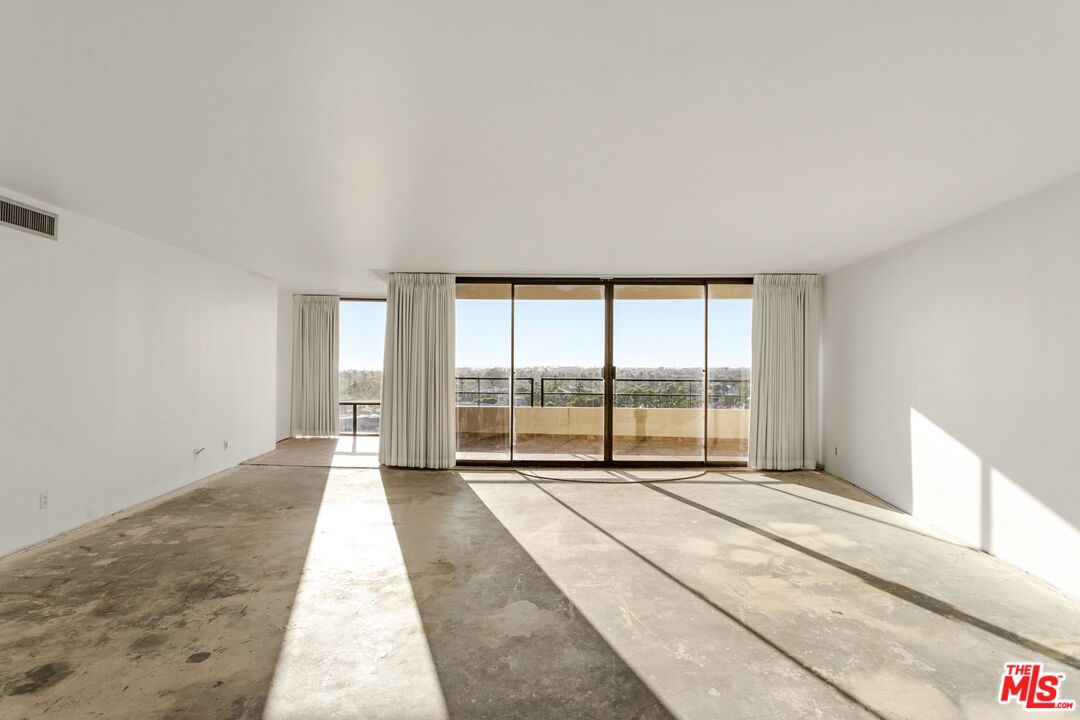
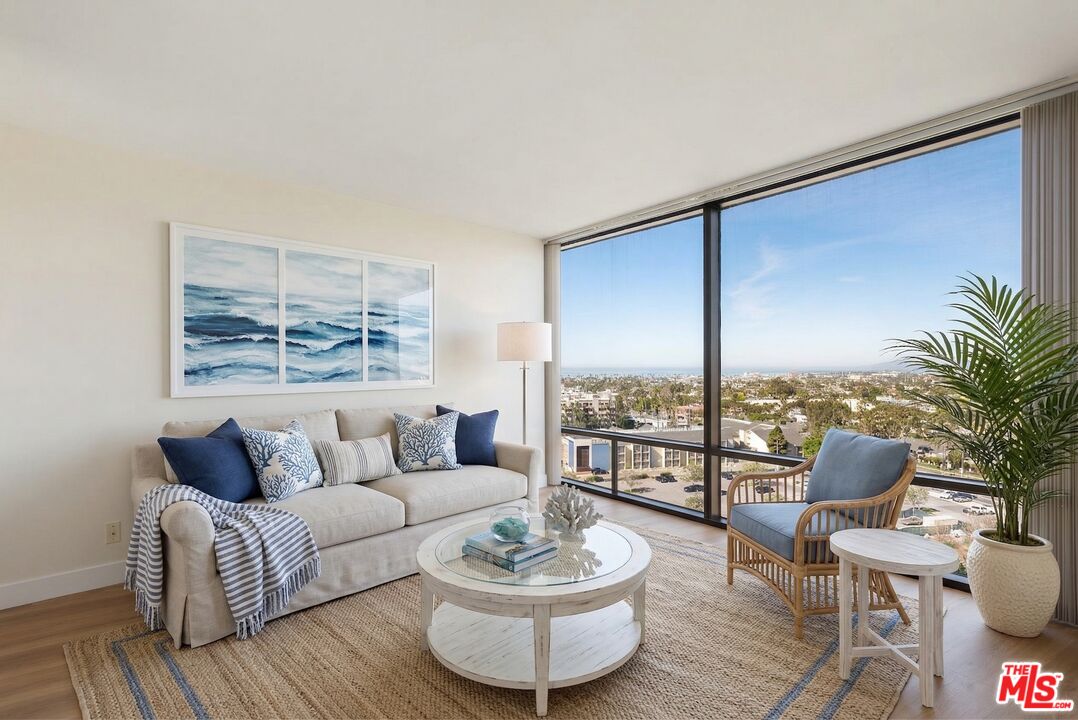
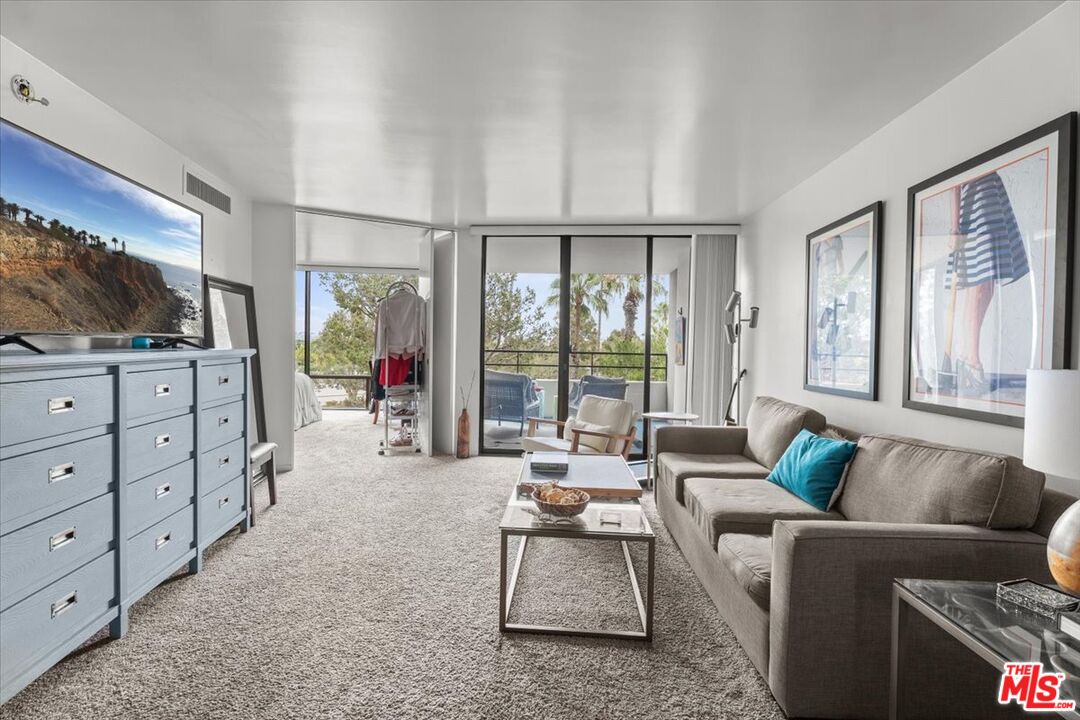
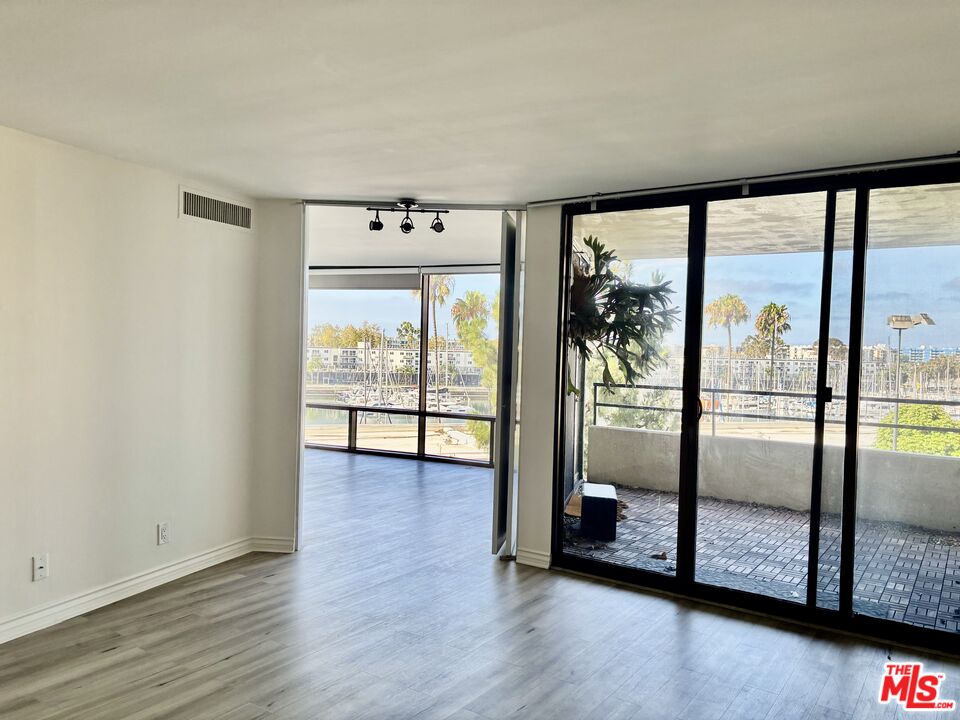
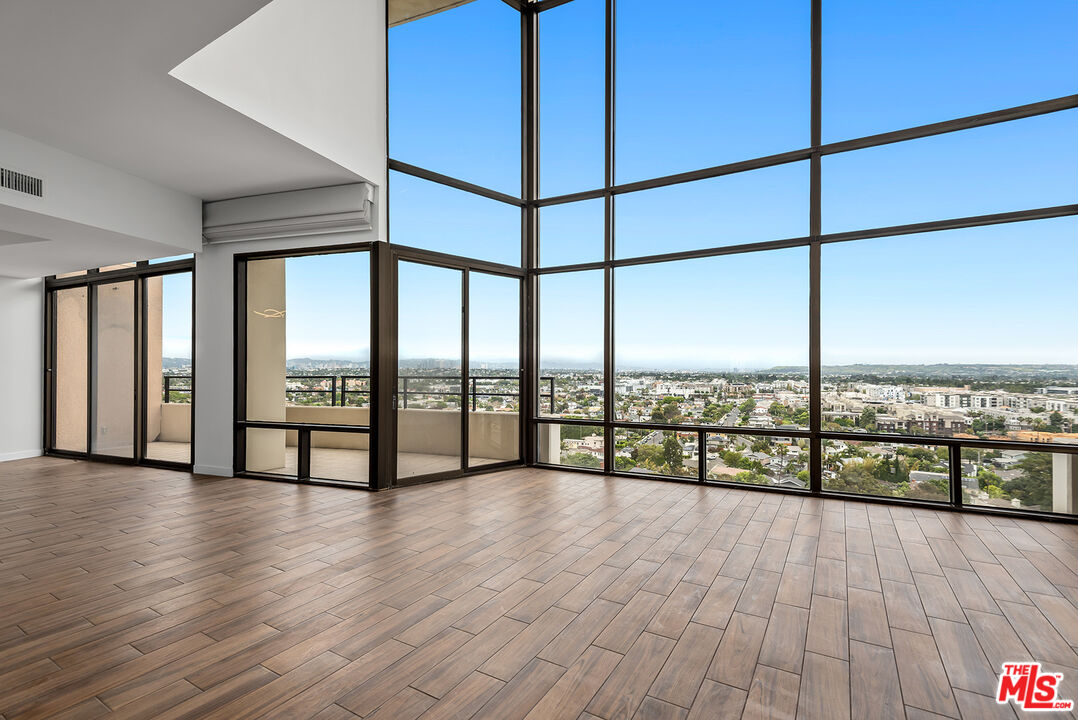
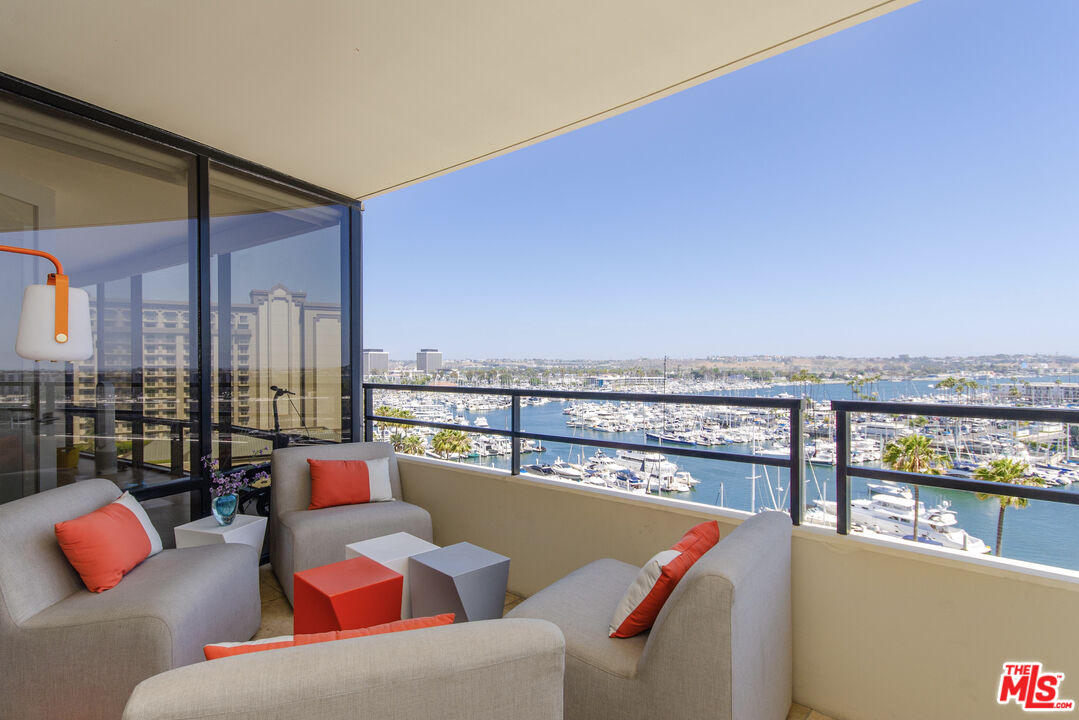
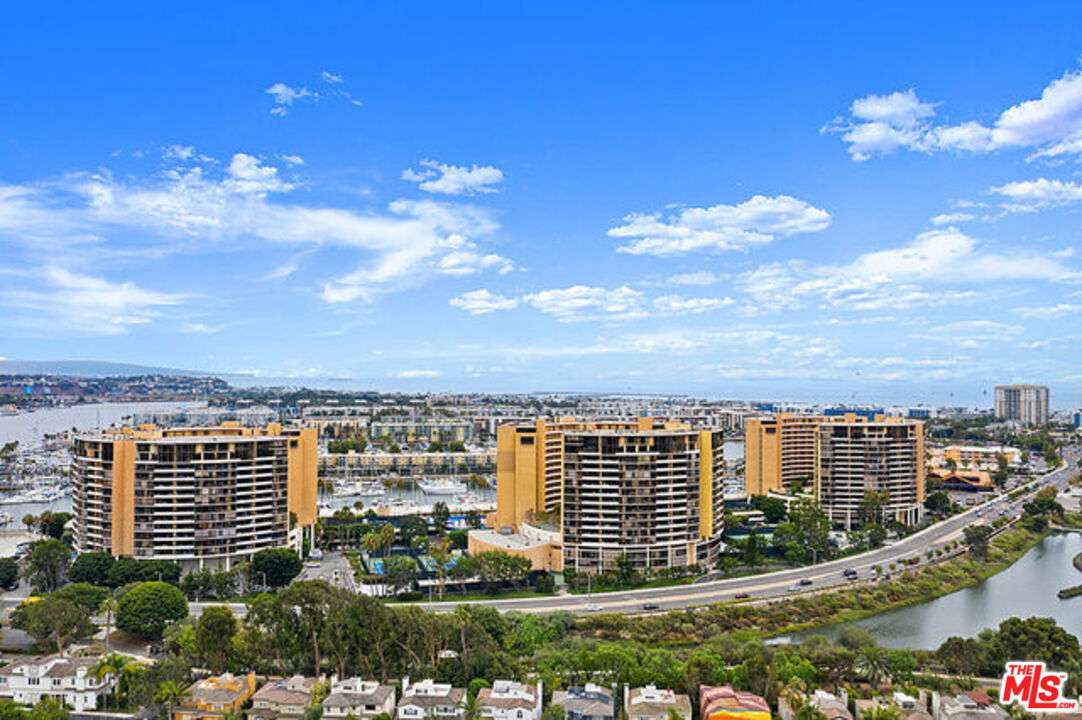
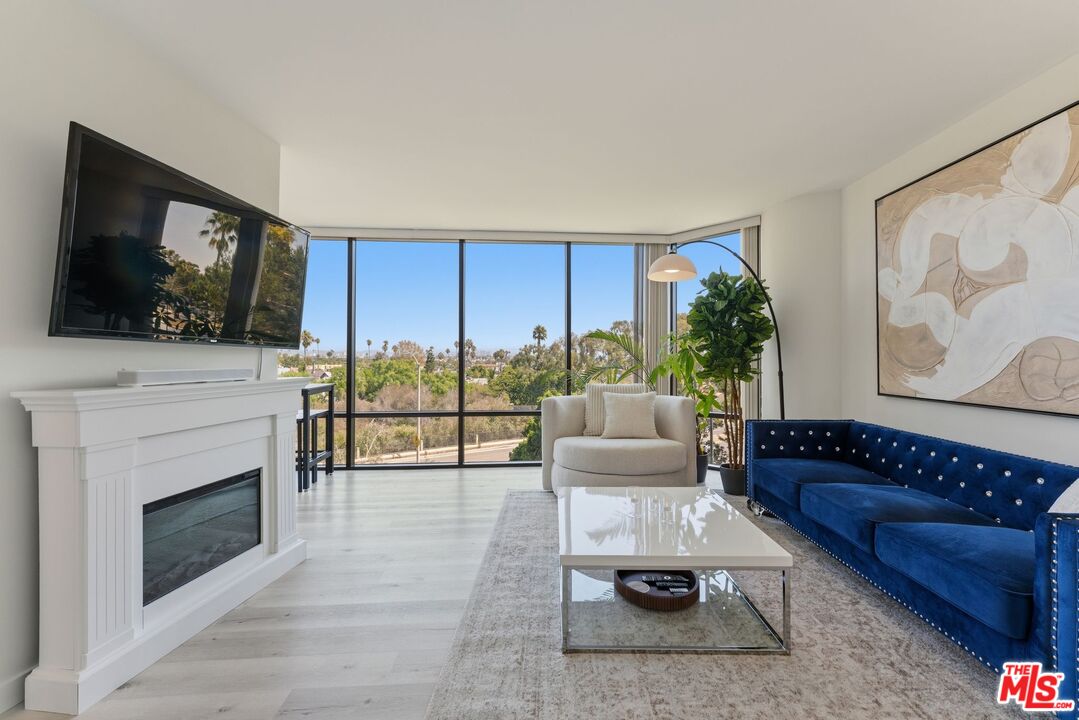
What sets the tone apart from neighboring Venice is the balance. The housing skews toward high-rise luxury apartments, waterfront condos, and gated marina communities, many with floor-to-ceiling harbor views. The dining and social scene is polished but unpretentious—waterfront patios and dock-and-dine seafood rather than crowded boardwalk chaos. You get a quieter, more grown-up version of beach living, with Venice's trendy Abbot Kinney Boulevard still just minutes away when you want the energy.
If the lifestyle here has a spine, it's the harbor. Built around eight distinct basins, the water shapes local culture, recreation, and the rhythm of ordinary days in a way that's hard to appreciate until you've lived it.
The marina is the primary hub for recreational boating in West Los Angeles, with more than 4,600 slips spread across private yacht clubs and public anchorages. It accommodates the full spectrum—small electric vessels, racing sailboats, and multi-deck luxury yachts all share the same protected waters. Thanks to that offshore breakwater, the basins stay calm enough to make paddleboarding, kayaking, and rowing genuinely pleasant rather than a fight against the swell.
One of the most charming local rituals is renting a "Duffy"—a quiet, electric canopy boat perfect for sunset cruises and birthday gatherings. And because so many restaurants here maintain deep-water docks, "dock and dine" isn't a novelty; it's how a lot of people arrive for dinner. The patios lining Fisherman's Village and the main channel offer front-row seats to the steady parade of boats heading out toward Santa Monica Bay.
Marina del Rey doesn't play by the rules of a typical coastal town. Where most beach communities are dominated by single-family homes, the market here is built around high-density, low-maintenance luxury living with direct water access. Understanding that distinction is the first step to buying smart in this neighborhood.
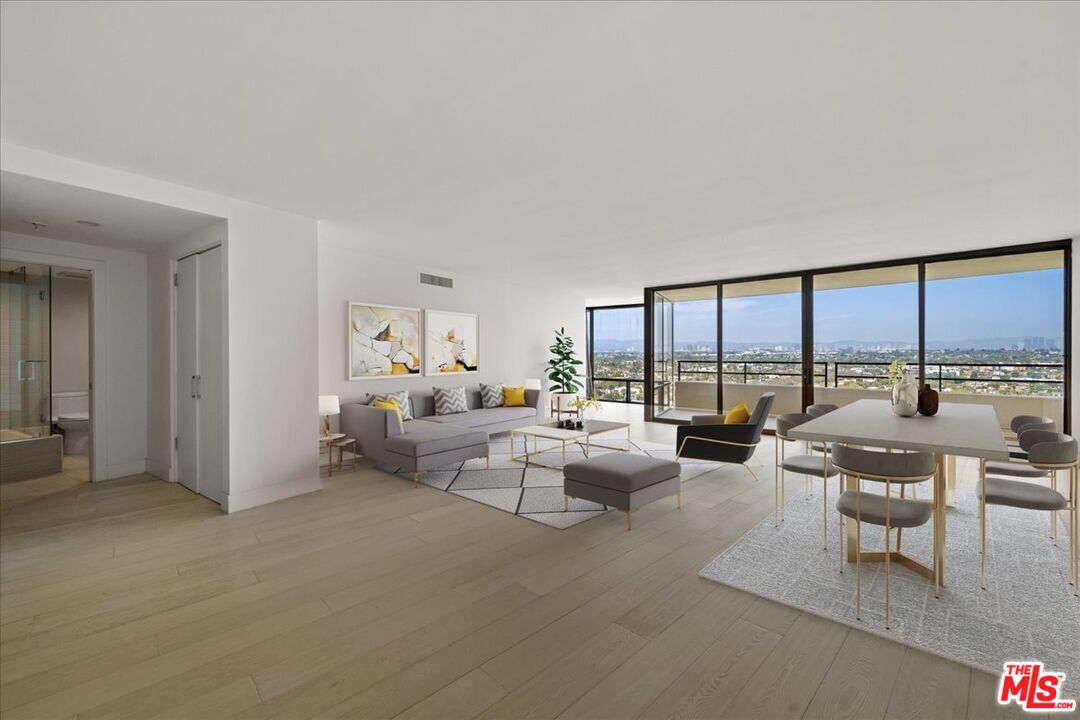
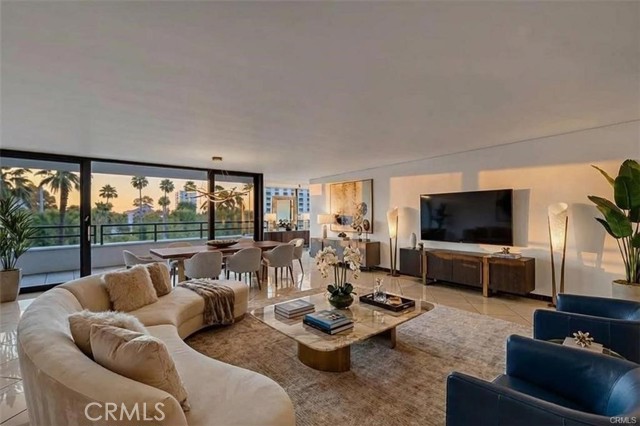
The housing stock is overwhelmingly mid-rise and high-rise condominiums, waterfront townhomes, and luxury apartment complexes. Typical home values tend to land between roughly $1.3M and $1.6M, while luxury high-rise penthouses and direct-waterfront units routinely command $3M to $6M and up. It's a strong rental market too—somewhere between half and sixty percent of residents rent, with one- and two-bedroom apartments generally leasing from around $3,500 to $4,800+ per month.
There's one structural quirk every buyer should understand before making an offer: much of the land in Marina del Rey is owned by Los Angeles County and leased to developers on long-term ground leases. This arrangement influences HOA fees and property structures in ways you won't encounter in most other LA neighborhoods, and it's exactly the kind of detail worth reviewing carefully with an agent who knows the harbor.
A few of the market's defining districts:
For a compact enclave, Marina del Rey contains a surprising amount of variety. The visual feel and daily lifestyle can shift dramatically from one pocket to the next, so knowing the character of each is essential to finding the right fit.
Silver Strand is the neighborhood's best-kept secret—an ultra-exclusive stretch tucked between the main harbor channel and the Venice Canals. Here you'll find custom, multi-story single-family homes arranged along pedestrian-only "walk-streets" lined with trees. It offers a level of quiet privacy that's genuinely rare this close to the beach.
The Marina Arts District (East MDR), running along Glencoe and Redwood Avenues, feels like a transplant from Downtown LA or Brooklyn. This industrial-chic pocket is defined by modern loft developments, creative tech spaces, and mixed-use complexes—a magnet for people who want an urban edge with the water nearby.
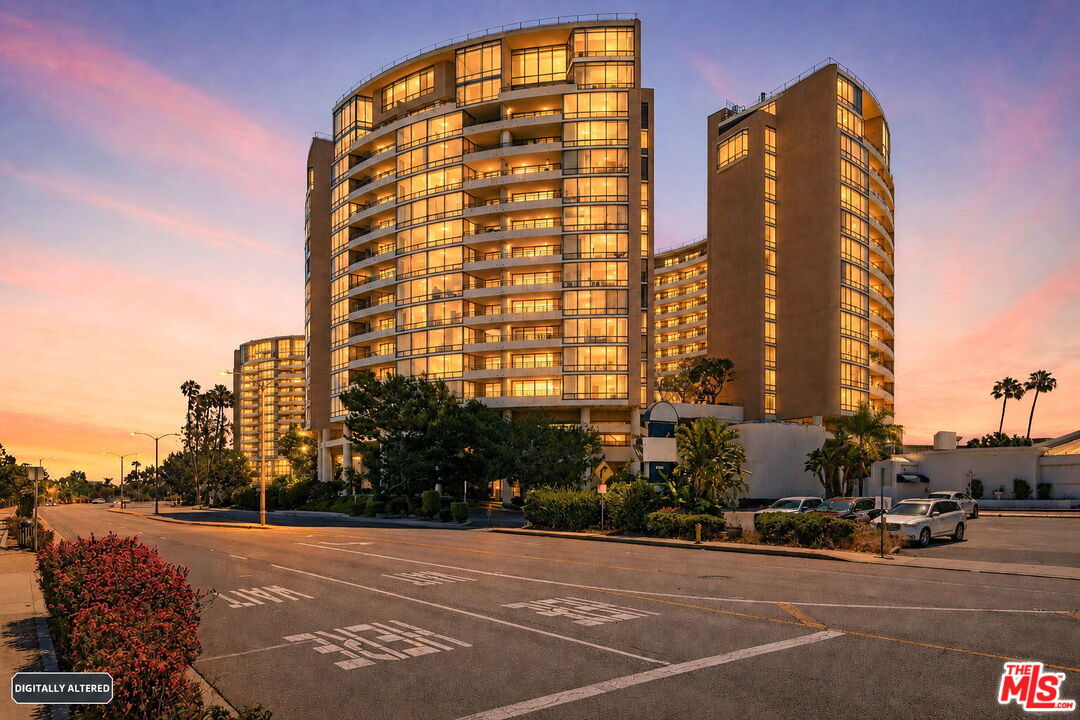
The High-Rise Promenade, along Via Marina and Marina Pointe, is home to the marquee luxury towers—Azzurra, The Cove, Regatta—where residents get resort-style living with doormen, rooftop lounges, valet, and elevated harbor views.
The Peninsulas, the streets ending in "Way" (Bali Way, Mindanao Way, Palawan Way), jut straight out into the harbor water like fingers. They blend mid-rise apartments, boat slips, and hotel resorts around internal basins.
Finally, Fisherman's Village anchors the harbor entrance with a colorful, New England–style boardwalk of shops, fish stalls, and charter docks—more a destination than a residential area, but a defining piece of the neighborhood's identity.
Eating out in Marina del Rey almost always means eating near the water. The defining features are expansive outdoor patios, dock-and-dine access, and panoramic views of the yacht basins and Santa Monica Bay.
A handful of spots capture the range. SALT Restaurant & Bar, inside the Marina del Rey Hotel, serves refined coastal California fare right at the water's edge—a favorite for elevated brunches and sunset cocktails. Killer Shrimp is a genuine MDR landmark, known for its signature bowl of spicy, secret-spiced broth with French bread for dipping, and it has its own dock so boaters can tie up and eat. The Warehouse Restaurant, open since 1969, leans into Polynesian-themed wood architecture and a massive waterfront deck overlooking Basin M—a piece of living history.
For something more low-key, Beachside Restaurant & Bar sits on the sand at Mother's Beach inside the Jamaica Bay Inn, with casual al-fresco dining just feet from the water. And Whiskey Red's, near the harbor entrance, offers one of the largest outdoor patios in the marina and a front-row view of boats sailing out to open water.
Shopping here is built for the way people actually live on the coast: open-air, walkable, and geared toward daily convenience rather than sprawling enclosed malls.
The neighborhood's primary retail anchor is Boardwalk MDR (formerly Villa Marina Marketplace), where everyday essentials meet Westside favorites—Trader Joe's, modern fitness studios, Alfred Coffee, and popular eateries like HiHo Cheeseburger, UOVO, and KazuNori. A short distance away, Waterside at Marina del Rey brings a more upscale open-air experience along Admiralty Way, anchored by Gelson's Market alongside boutique shops, fitness brands, and patio dining. And Fisherman's Village rounds things out with specialty shops, marine rentals, and casual seaside browsing.
Beyond retail, the amenities reflect the harbor lifestyle. Boat owners are well served by dozens of boat yards, yacht brokers, repair docks, and ship stores like West Marine along the basins. On the wellness side, the dense, amenity-rich living means boutique studios—Barre, Pilates, Lagree—spa lounges, and outdoor yoga at the park are woven right into the weekly routine.
For a neighborhood defined by a boat harbor, Marina del Rey delivers a genuinely generous amount of green space and easy outdoor access.
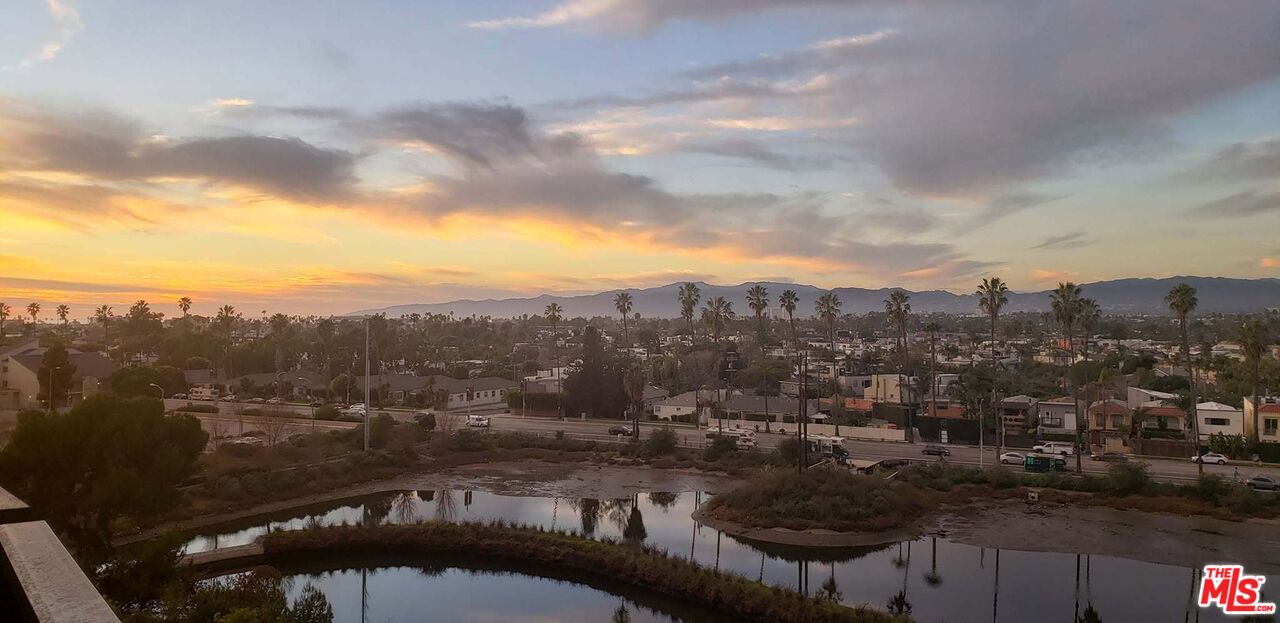
The crown jewel is Burton Chace Park, a 10-acre expanse that reaches out into the harbor, surrounded by water on three sides. Rolling lawns, barbecue grills, and walking paths make it an everyday retreat, and it transforms into the community's living room during free summer concerts and movie nights. Nearby, Aubrey E. Austin Jr. Park sits close to the harbor jetty, offering scenic overlooks where you can watch boats slip in and out of the main channel. At the neighborhood's edge, the protected Ballona Freshwater Marsh provides birdwatching and quiet trails for anyone craving a dose of nature.
On the water side, Mother's Beach (Marina Beach) is a sheltered 12-acre beach tucked safely inside the harbor. With zero surf, it's the go-to launch spot for paddleboarders and kayakers and a favorite of families with young children. True ocean surf is only a few blocks away across the Venice Pier border.
And then there's The Strand—the Marvin Braude Coastal Bike Trail—cutting right through the neighborhood. This 22-mile paved path lets bikers, runners, and skaters head north to Santa Monica or south past the airport toward Manhattan and Hermosa Beach, all without ever getting in a car.
As North America's largest artificial harbor for small craft, Marina del Rey is one of Southern California's premier launch points for life on the water—whether your idea of that is a gentle harbor cruise or a deep-sea fishing charter.
Inside the protected basins, the pace is easy. Renting an electric Duffy boat is practically a local institution—these enclosed, low-speed craft let groups drift between the eight inner basins, play music, and pull up to waterfront restaurants. The smooth, wave-free water near Mother's Beach makes ideal conditions for stand-up paddleboarding and kayaking, and several outfits run SUP yoga classes and guided harbor tours.
For those who want to venture farther, the harbor is home to multiple sailing schools like Blue Pacific Yachting and Marina Sailing, along with private charter companies. From the calm interior, boaters can pass through the main channel into open water toward Malibu or Catalina Island. Beyond the breakwater, the options ramp up: parasailing, jet-ski rentals, seasonal whale watching, and deep-sea sportfishing charters operating out of Fisherman's Village.
Location is one of Marina del Rey's quietest superpowers. It sits in a prime, central spot on the Westside—Venice Beach to the north, Playa Vista to the east, and LAX just to the south—which makes an unusually wide swath of the city reachable in a short drive.
The SR-90 (Marina Freeway) terminates right in the neighborhood, feeding directly onto the I-405 for north-south regional trips. Lincoln Boulevard (CA-1) serves as the main surface artery, linking the marina to Santa Monica, Venice, and the airport. In practice, the everyday commute picture looks like this:
Destination | Distance | Typical Drive Time |
|---|---|---|
Playa Vista (Silicon Beach) | ~2 miles | 5–10 min |
LAX Airport | ~4 miles | 10–15 min |
Santa Monica | ~4–5 miles | 15–25 min |
Culver City | ~6 miles | 15–25 min |
Downtown LA | ~18 miles | 35–60+ min |
There's also a distinctly local layer of mobility. In summer, the WaterBus runs a seasonal water-taxi service from June through Labor Day—just $1 each way, with stops at Burton Chace Park, Mother's Beach, the Waterfront Walk, and Fisherman's Village. Free seasonal beach shuttles connect the marina to Playa Vista and Venice Pier during peak weekends, and The Strand makes bikes, e-bikes, and scooters practical everyday options.
Because Marina del Rey is an unincorporated pocket of Los Angeles County, public schooling falls under the Los Angeles Unified School District (LAUSD). While the harbor basin itself is largely residential towers and commercial marina, families here draw on a strong selection of public magnets, charters, and private schools across the surrounding Westside.
On the public side, elementary students typically attend nearby feeder schools such as the high-performing, STEM-focused Playa Vista Elementary, Westside Global Awareness Magnet, or Coeur d'Alene Avenue Elementary in Venice. Older students are generally zoned for Marina del Rey Middle School or Venice High School, though many local families opt for specialized charters like Ocean Charter School (K–8) or Ánimo Venice Charter High School.
For private education, the broader Westside offers some of Southern California's most respected options—PS1 Pluralistic School and St. Mark Catholic School at the younger end, and college-prep names like Crossroads School for Arts & Sciences, Windward School, Wildwood School, and Vistamar School within a reasonable drive.
The area even carries some academic weight of its own: USC operates its Information Sciences Institute right inside Marina del Rey, focusing on AI, cybersecurity, and advanced computing. Loyola Marymount University is about fifteen minutes south, with UCLA and Santa Monica College both within commuting range.
For all its polish, Marina del Rey has a genuine community rhythm—one that plays out along the water through a calendar of seasonal traditions and open-air gatherings centered on Burton Chace Park.
The summer belongs to the Burton Chace Park Concert Series, with free outdoor performances on select July and August Saturdays, ranging from the Marina del Rey Symphony to touring pop and R&B acts. The 4th of July fireworks launch over the main channel, synced to music on local radio. Come December, the Holiday Boat Parade—a tradition running more than 60 years—fills the main channel with yachts decked out in elaborate light displays, watched by crowds from the park and waterfront restaurants. The year closes with a family-friendly New Year's Eve Glow Party, complete with DJs, food trucks, and two separate fireworks shows.
Day to day, the Marina del Rey Farmers Market sets up every Saturday morning near Mother's Beach with local produce and artisan stalls. Free movie nights run at Burton Chace Park through spring and summer. And on Yacht Race Tuesdays, clubs like the Del Rey Yacht Club and California Yacht Club send dozens of white sails out into Santa Monica Bay at sunset—a weekly spectacle you can watch from almost any waterfront perch.
Marina del Rey rewards local knowledge. Between the county ground leases, the meaningful differences from one basin or enclave to the next, and a market that ranges from entry-level condos to multimillion-dollar waterfront penthouses, this is a neighborhood where the right guidance genuinely changes outcomes. That's where we come in.
The Umansky Team, led by Founder and CEO Mauricio Umansky alongside Farrah Brittany, Eduardo Umansky, and Sharon Umansky Benton, is recognized as one of Los Angeles' leading real estate teams and among the most successful in the country. Operating under The Agency in Beverly Hills, the team pairs deep Westside expertise with a client-first philosophy built on treating everyone like family. Whether you're buying your first waterfront condo, selling a luxury high-rise unit, or simply trying to understand what your options look like in this corner of the coast, we're here as a resource—no pressure, just informed local perspective.
When you're ready to talk through Marina del Rey, reach out to The Umansky Team at 424.230.3701 or [email protected], or stop by the office at 331 Foothill Rd, Suite 100, Beverly Hills, CA 90210. We'd be glad to help you find your place on the water.
There's plenty to do around Marina Del Rey, including shopping, dining, nightlife, parks, and more. Data provided by Walk Score and Yelp.
Explore popular things to do in the area, including Bixxcoito Los Angeles, Yachting Los Angeles, and Bluewater Yacht Charters.
| Name | Category | Distance | Reviews |
Ratings by
Yelp
|
|---|---|---|---|---|
| Dining | 0.73 miles | 0 reviews | 0/5 stars | |
| Active | 0.21 miles | 0 reviews | 0/5 stars | |
| Active | 0.24 miles | 0 reviews | 0/5 stars | |
| Active | 0.29 miles | 0 reviews | 0/5 stars | |
| Active | 0.73 miles | 9 reviews | 5/5 stars | |
| Active | 0.73 miles | 3 reviews | 5/5 stars | |
| Beauty | 0.09 miles | 0 reviews | 0/5 stars | |
|
|
||||
|
|
||||
|
|
||||
|
|
||||
|
|
||||
|
|
Marina Del Rey has 5,169 households, with an average household size of 1.71. Data provided by the U.S. Census Bureau. Here’s what the people living in Marina Del Rey do for work — and how long it takes them to get there. Data provided by the U.S. Census Bureau. 8,844 people call Marina Del Rey home. The population density is 10,312 and the largest age group is Data provided by the U.S. Census Bureau.
Total Population
Population Density Population Density This is the number of people per square mile in a neighborhood.
Median Age
Men vs Women
Population by Age Group
0-9 Years
10-17 Years
18-24 Years
25-64 Years
65-74 Years
75+ Years
Education Level
Total Households
Average Household Size
Average individual Income
Households with Children
With Children:
Without Children:
Marital Status
Blue vs White Collar Workers
Blue Collar:
White Collar: