Welcome to Santa Monica, CA
Few places in Southern California manage to be both a world-famous destination and a genuine, livable hometown. Santa Monica pulls it off. Tucked into a compact 8.4 square miles on the western edge of Los Angeles County, it offers something most of LA can't: the ability to walk out your door, stroll to dinner, catch the Metro, and still feel sand under your feet by sunset.
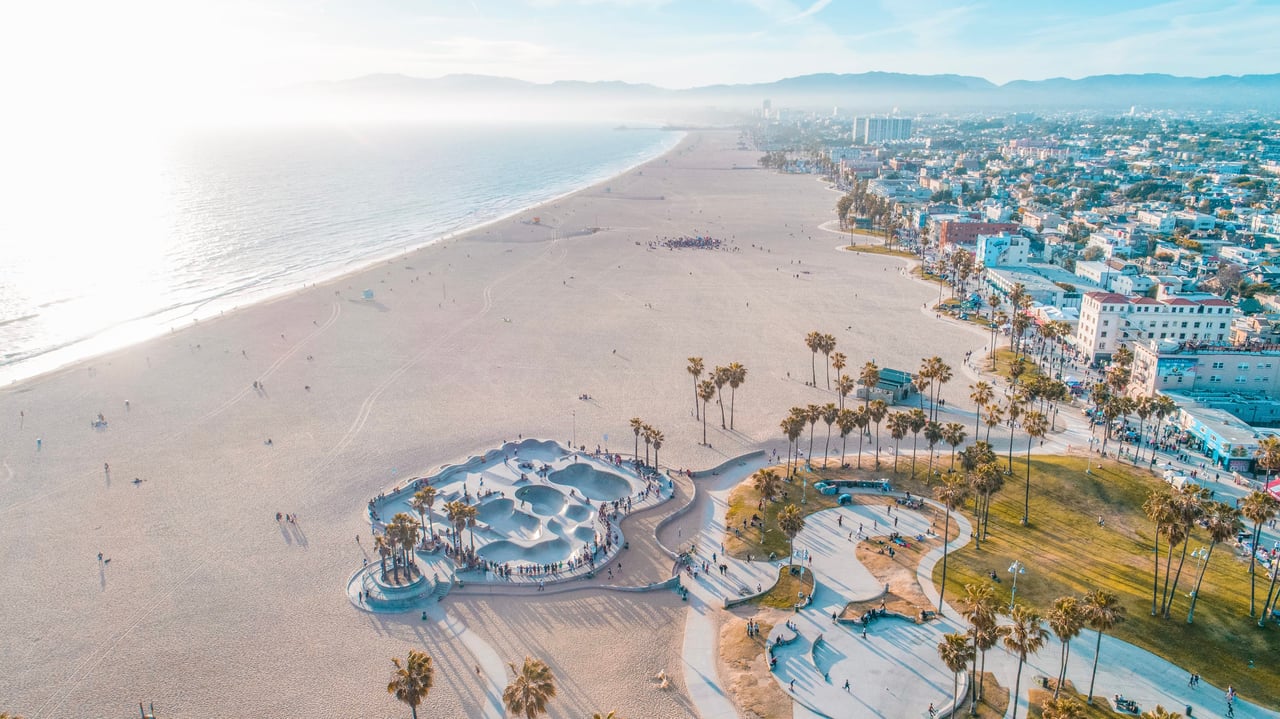
What defines life here is the rhythm. Mornings often start gray under the marine layer, then open into clear blue afternoons. The pace is unmistakably coastal, but the city hums with the energy of "Silicon Beach," the cluster of tech, gaming, and entertainment companies that have made this stretch of coast one of the most economically dynamic in the region. It's a city where bodybuilders at Muscle Beach, families pushing strollers down Montana Avenue, and startup founders headed to the office all share the same three miles of shoreline.
The trade-off is cost. Santa Monica is one of the most expensive places to live in the country, and there's no honest way around that. But for those who can make the math work, the city delivers a quality of daily life — temperate weather, walkability, ocean access, and a tight civic identity — that's genuinely difficult to replicate anywhere else in greater Los Angeles.
Santa Monica's Location and Setting
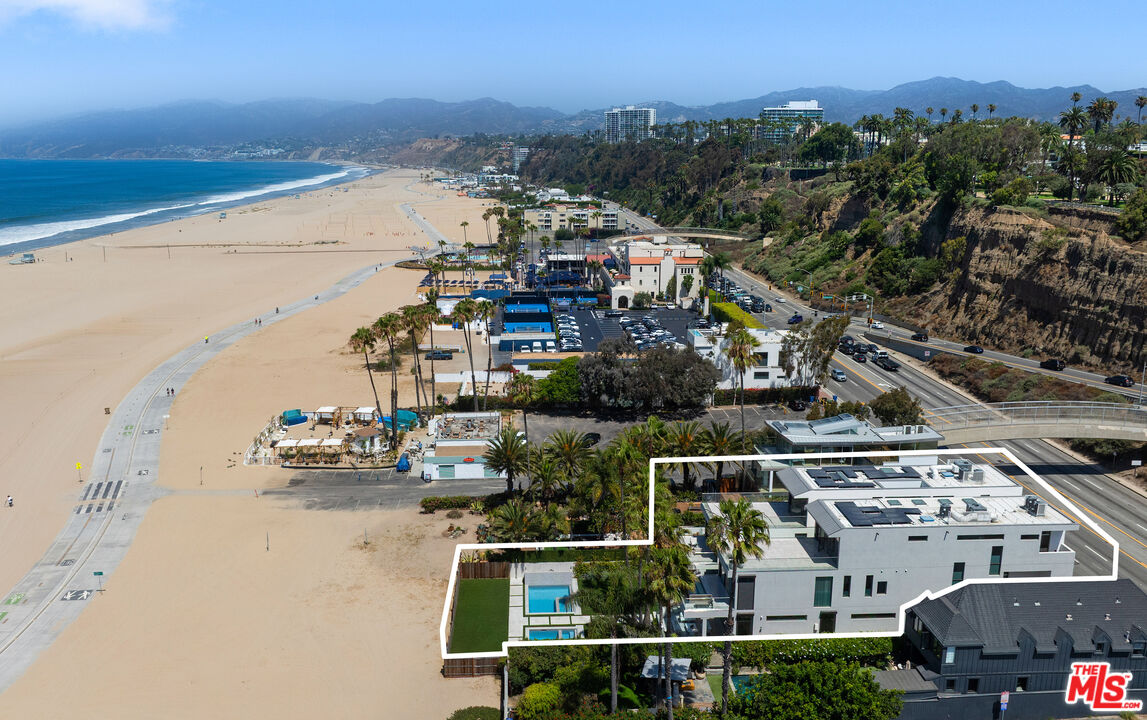
Santa Monica occupies a gently sloping coastal plain that ends abruptly at a line of bluffs — the Santa Monica Palisades — overlooking the wide beaches of Santa Monica Bay. That dramatic geography, where the city literally drops off into the Pacific, shapes everything from the views to the property values.
The city is hemmed in on all sides, which is part of why it feels like its own world. Pacific Palisades sits to the north, Brentwood to the northeast, West Los Angeles to the east, and Venice to the south. The entire western edge is open ocean. Because Santa Monica is surrounded by the City of Los Angeles but governs itself independently, it has been able to chart its own course on planning, transit, and schools for over a century.
The setting also produces a microclimate. The same marine layer that rolls in off the bay keeps the city noticeably cooler than neighborhoods just a few miles inland — a difference residents come to rely on during summer heat waves, when Santa Monica stays mild while the Valley bakes.
A Brief History of Santa Monica
Santa Monica's story is one of repeated reinvention, and understanding it helps explain why the city feels the way it does today.
Long before European arrival, the Tongva (Gabrielino) people lived here, drawn by natural freshwater springs. When the Spanish Portolá expedition passed through in 1769, a Franciscan friar reportedly looked at a pair of those springs and was reminded of the tears Saint Monica shed for her son — giving the future city its name. The land was eventually carved into Mexican ranchos before the modern city took shape.
That happened in 1875, when Nevada Senator and silver baron John P. Jones partnered with Robert Baker to buy the land and build a town. Their ambition was bold: they wanted Santa Monica to become the official deepwater port of Los Angeles. Through the 1890s, the city waged a fierce battle against San Pedro for that title — and lost. It was arguably the most fortunate defeat in the city's history, because it pushed Santa Monica away from heavy industry and toward leisure, recreation, and the beach culture that defines it now.
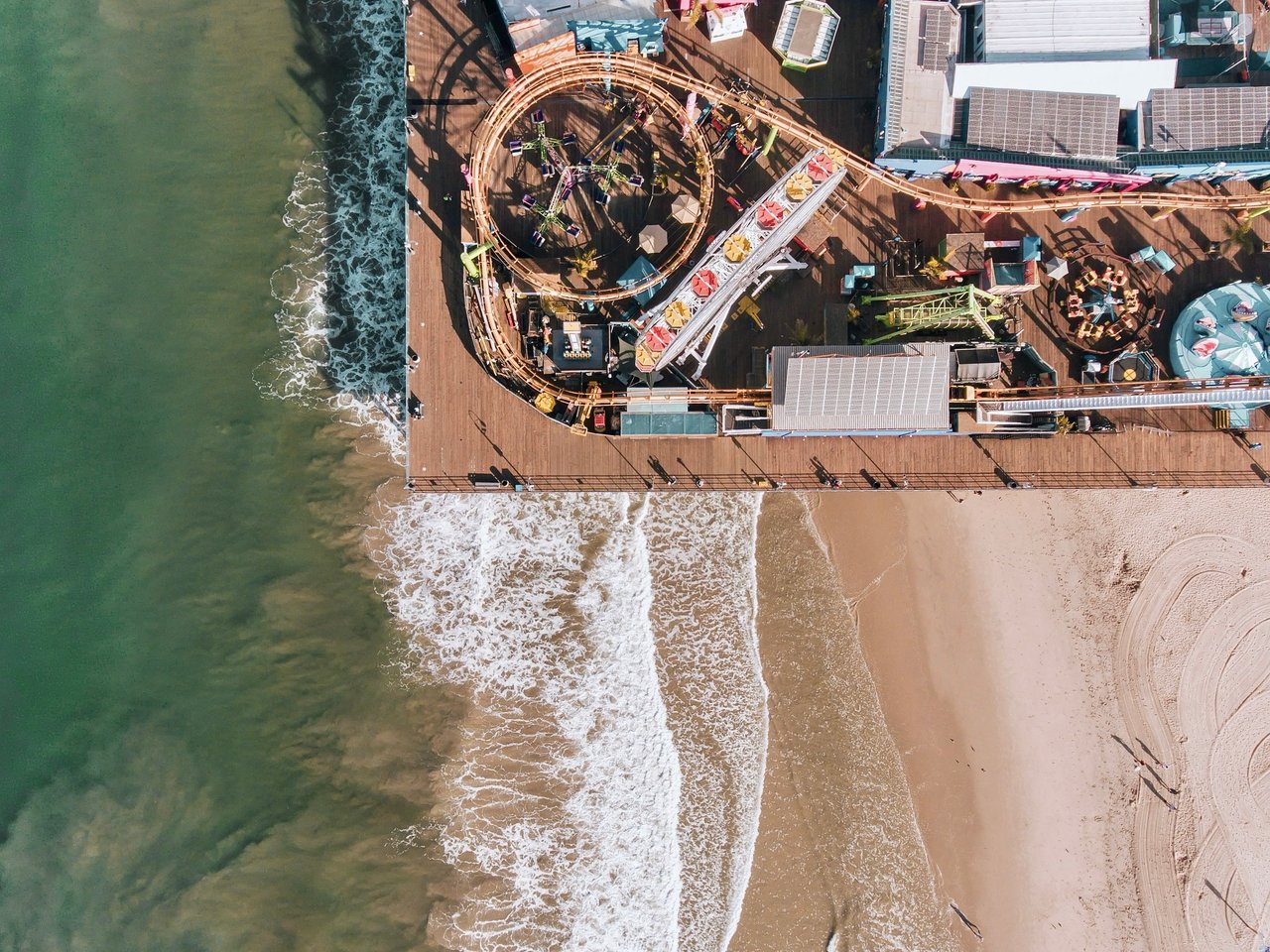
The pivot to pleasure came fast. The Santa Monica Pier opened in 1909 (originally built to carry sewage pipes past the surf, of all things) and quickly became a recreation magnet. By 1916, amusement pioneer Charles Looff had added a hippodrome, a carousel, and roller coasters. In the 1920s, Donald Douglas established his aircraft company at what is now the Santa Monica Airport, turning the resort town into an aviation powerhouse that employed tens of thousands through World War II. Around the same time, Muscle Beach sprang up in the sand south of the pier and grew into a global fitness phenomenon.
The opening of the Santa Monica Freeway (I-10) in 1966 connected the coast to downtown LA and accelerated growth, while an influx of writers, artists, and activists gave the city its enduring reputation for progressive, community-first politics. In the late 1980s, the struggling downtown core was reborn as the Third Street Promenade, a pedestrian shopping district that became a national model for urban revitalization. Today, Santa Monica anchors "Silicon Beach" while holding tight to the surf-and-sand identity it stumbled into more than a century ago.
Neighborhoods and Areas Within Santa Monica
Santa Monica may be small, but it is far from uniform. Within those 8.4 square miles, several distinct neighborhoods each carry their own architecture, price point, and personality. Knowing the differences is the single most important step for anyone deciding where to plant roots here.
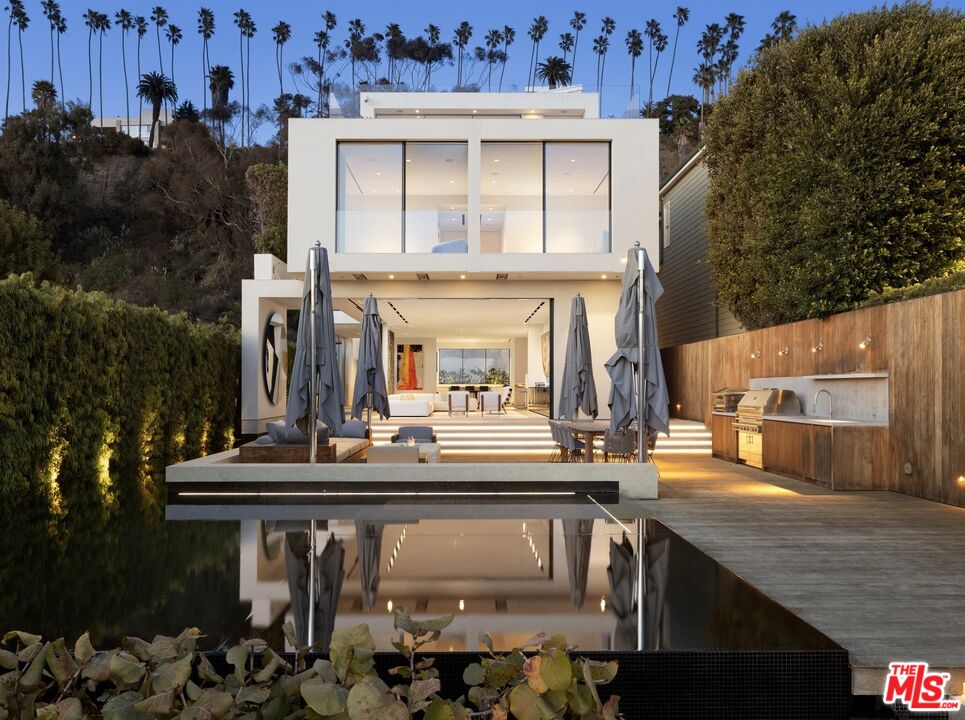
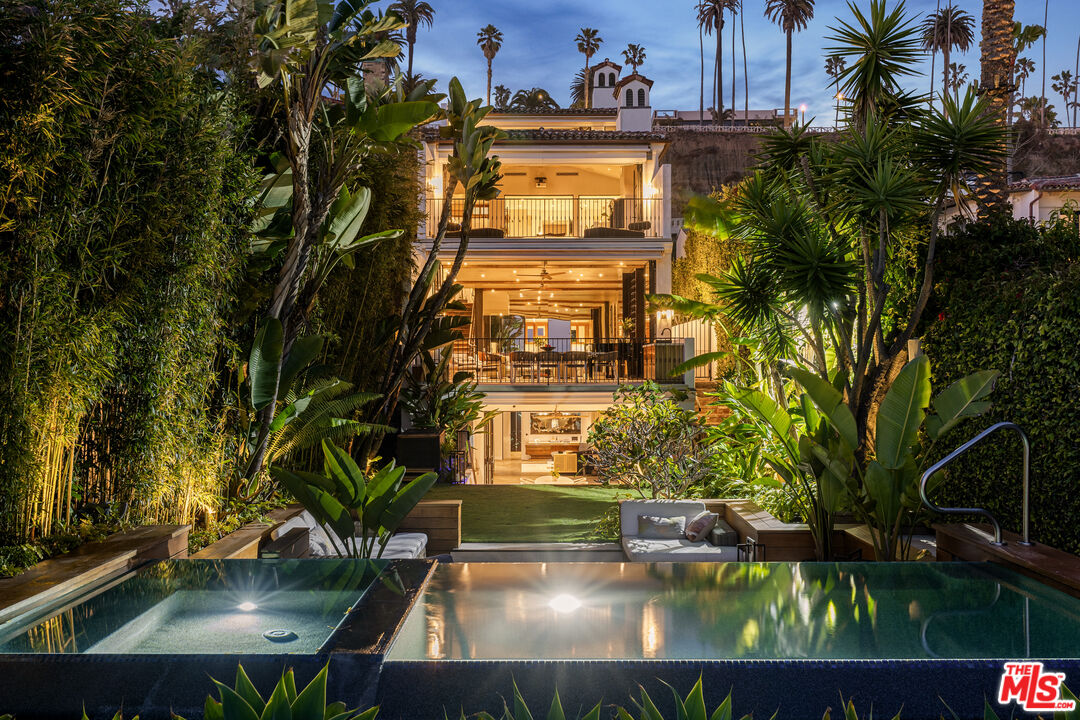
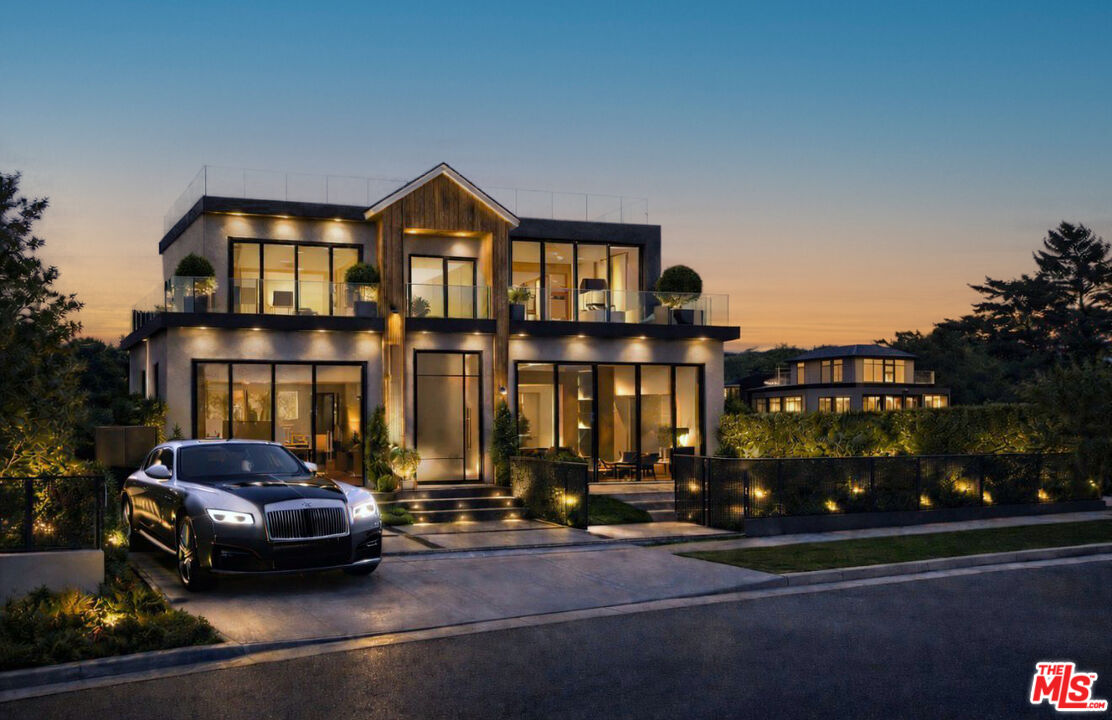
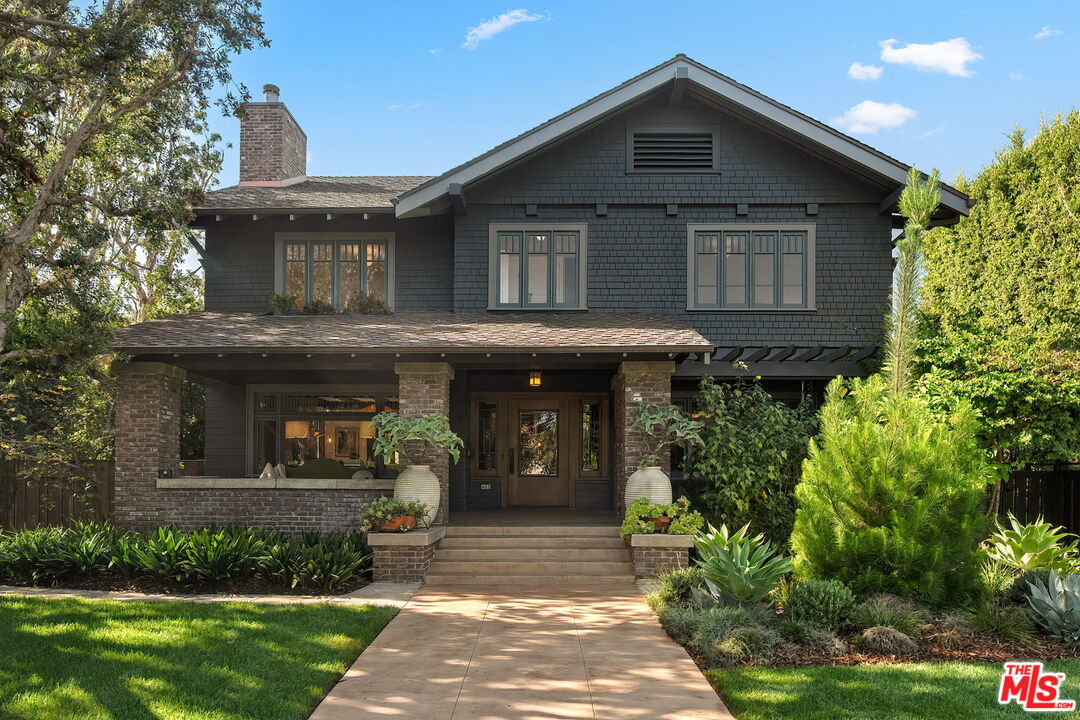
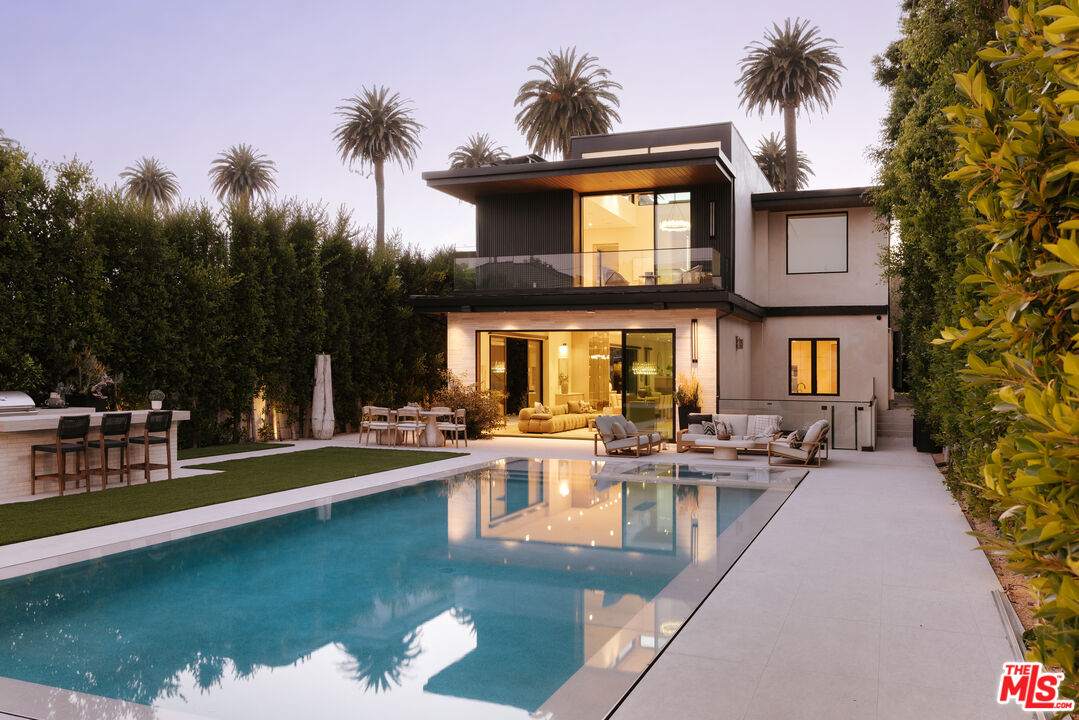
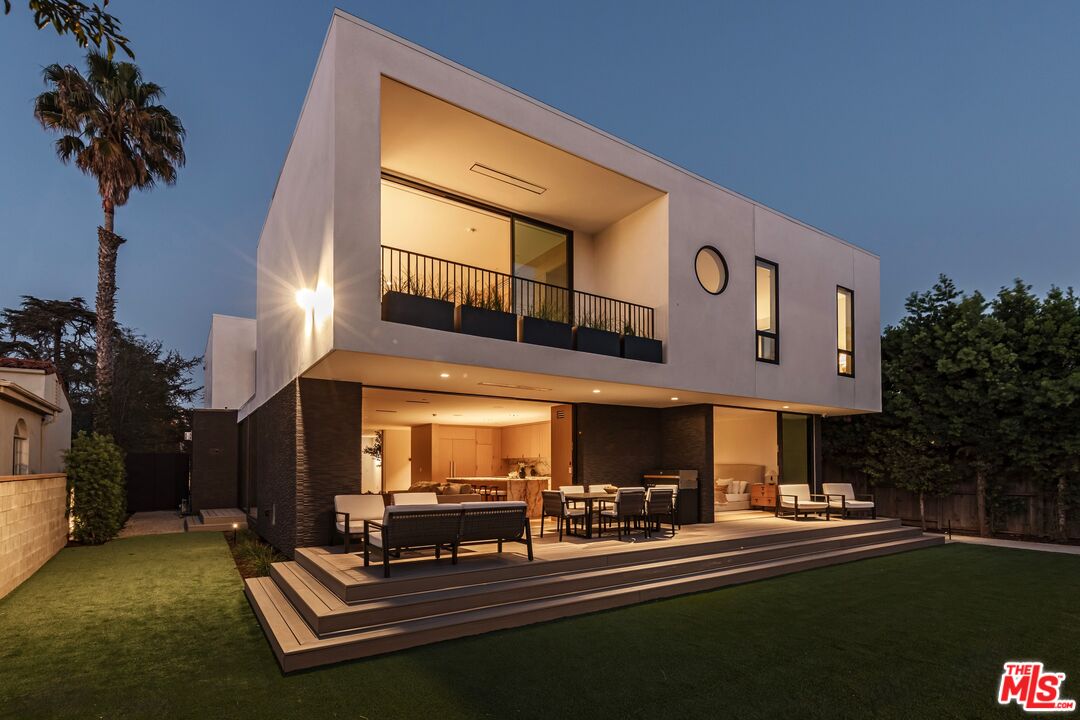
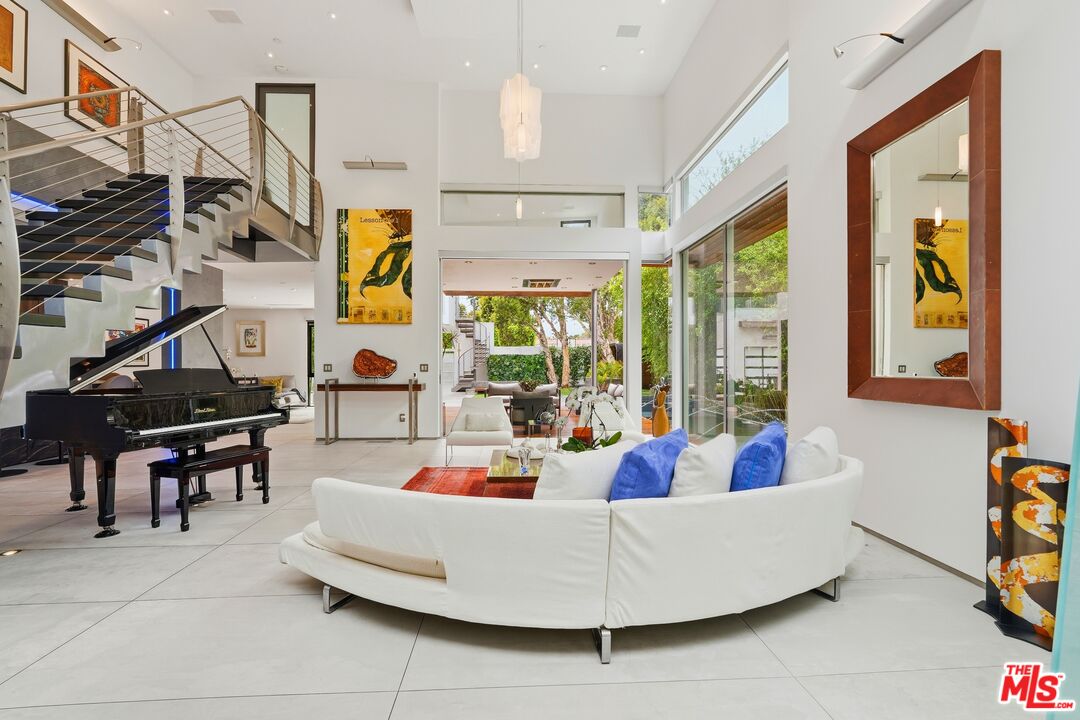
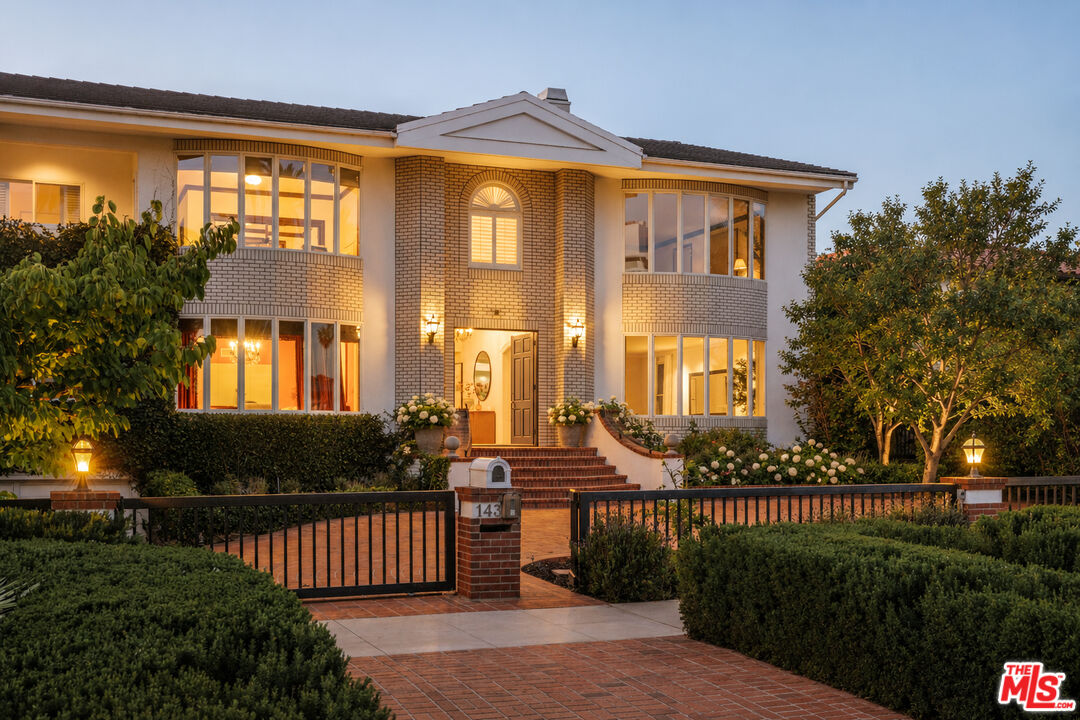
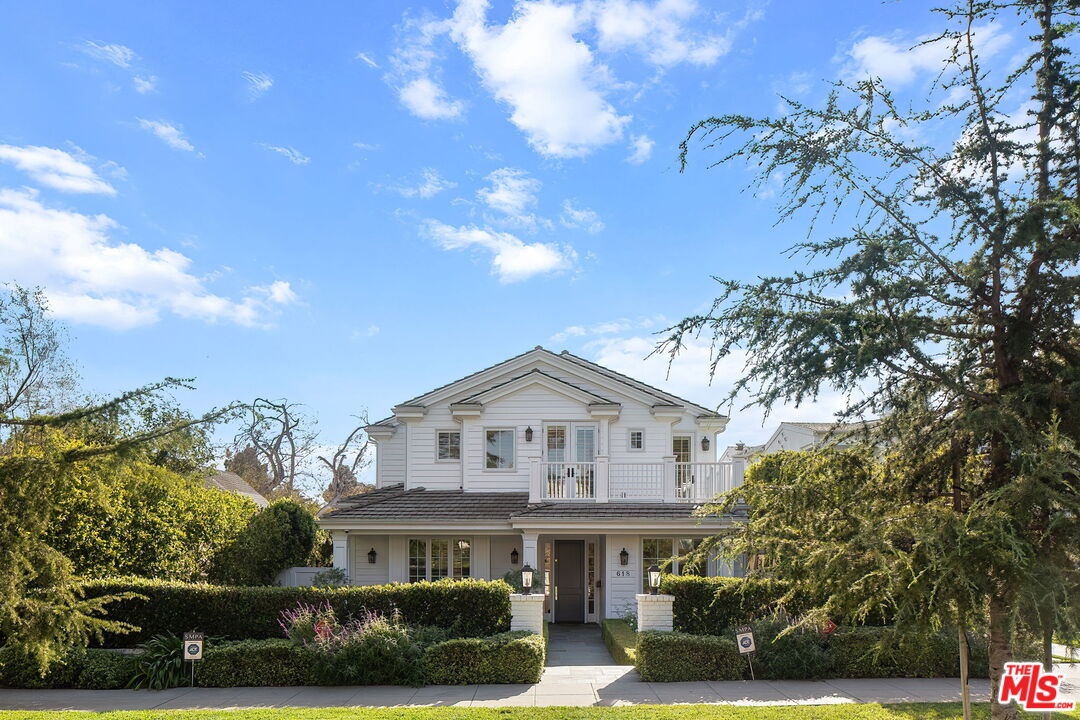
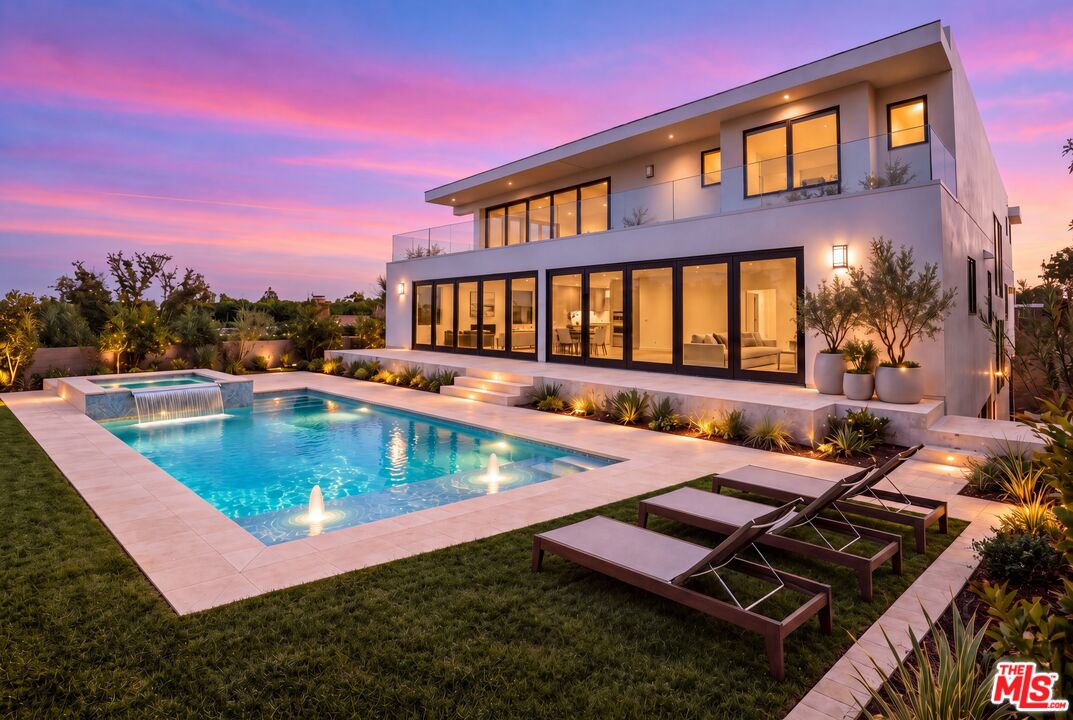
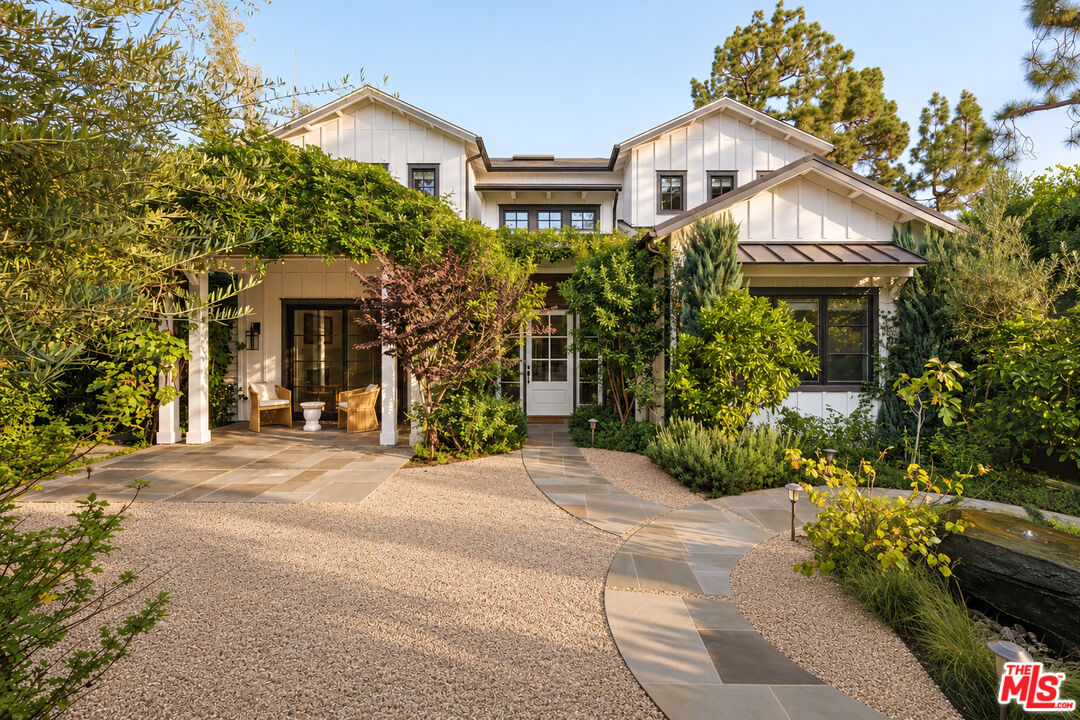
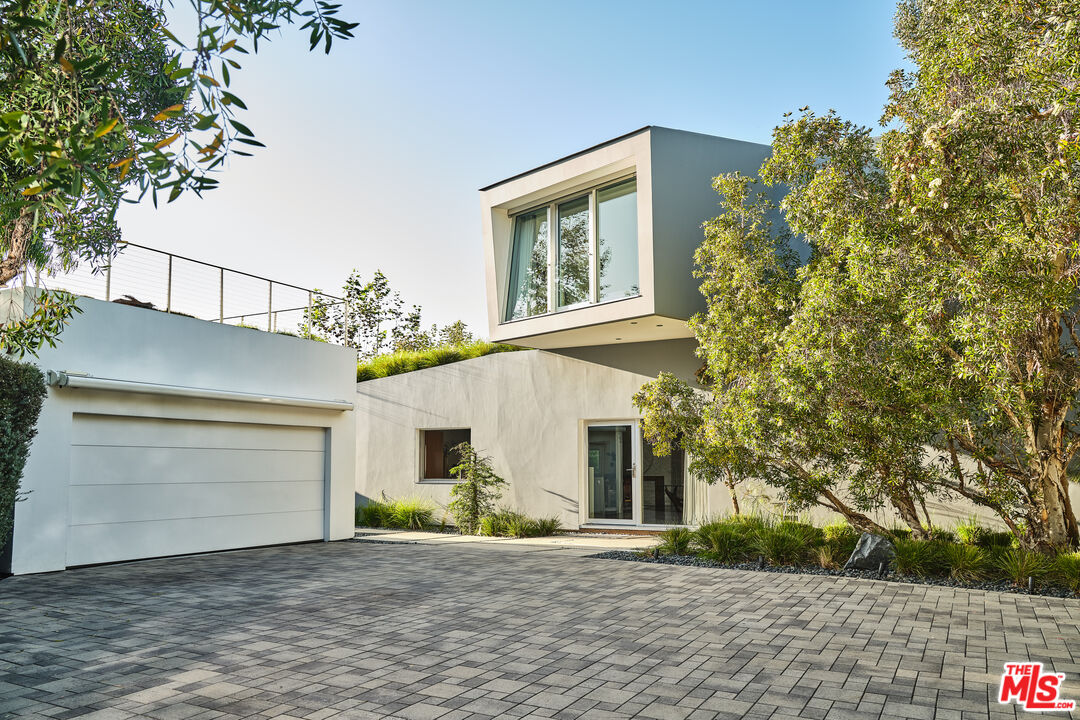
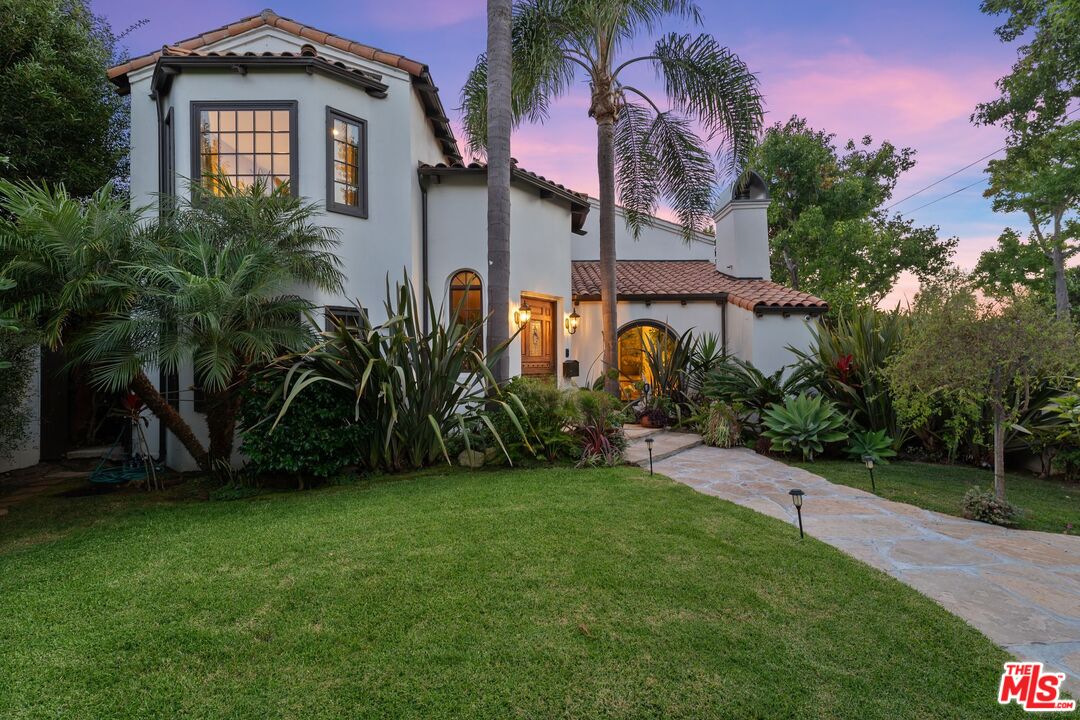
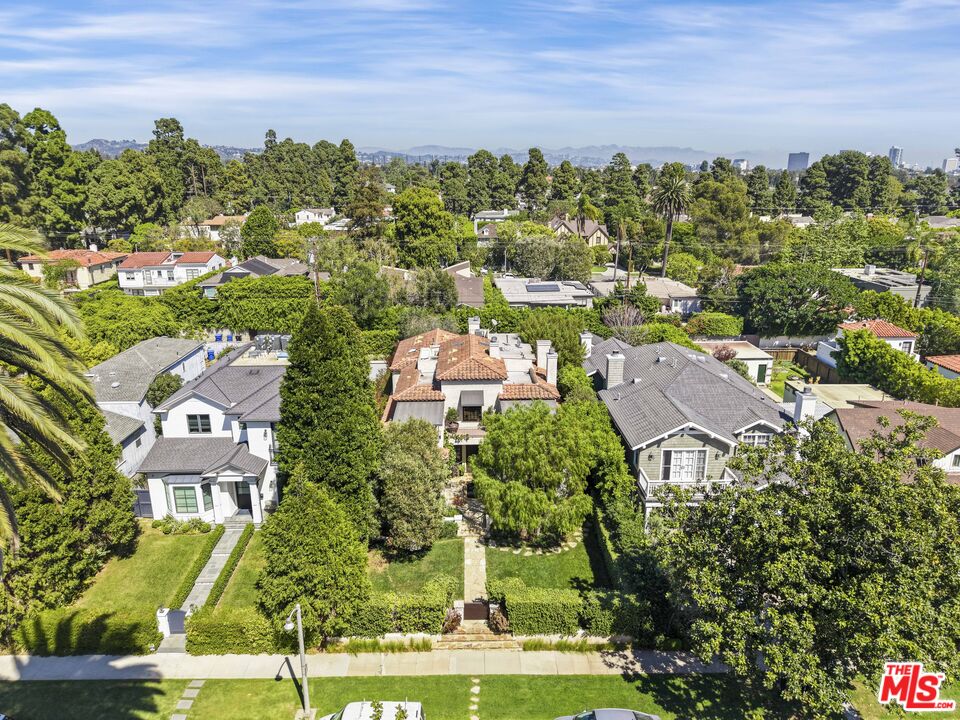
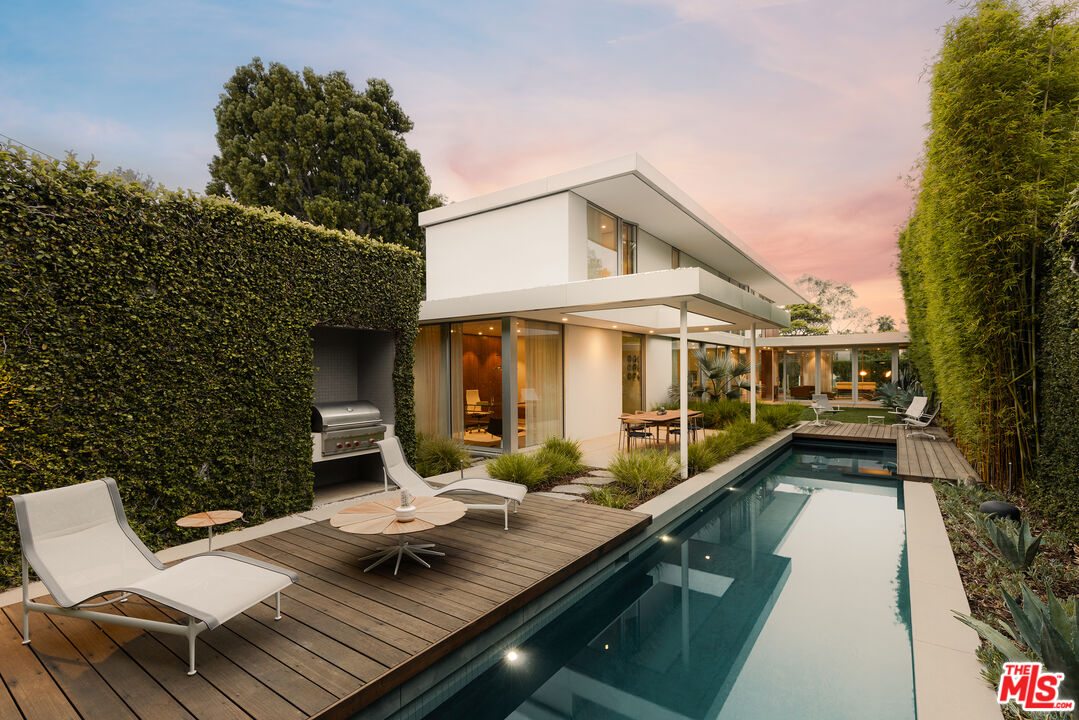
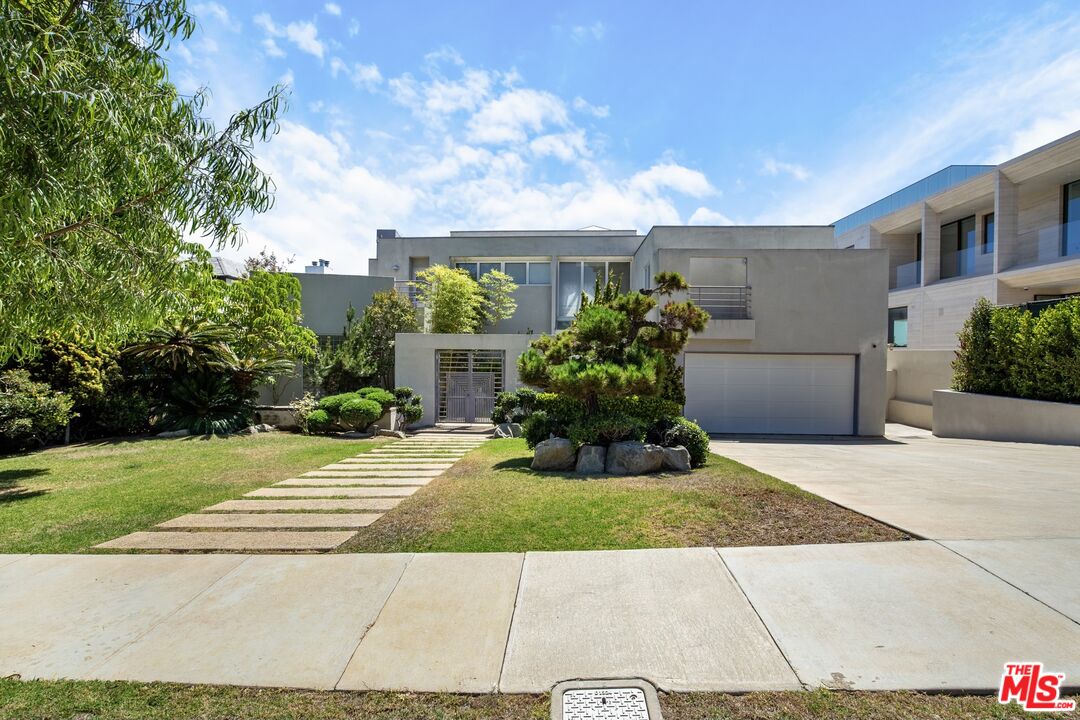
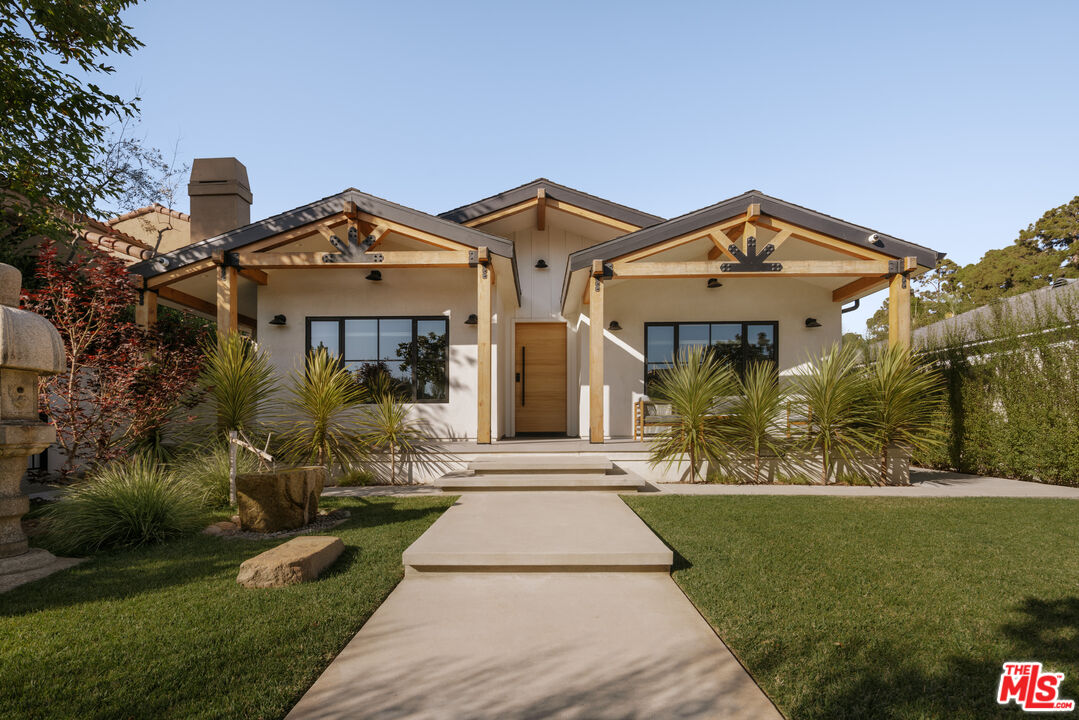
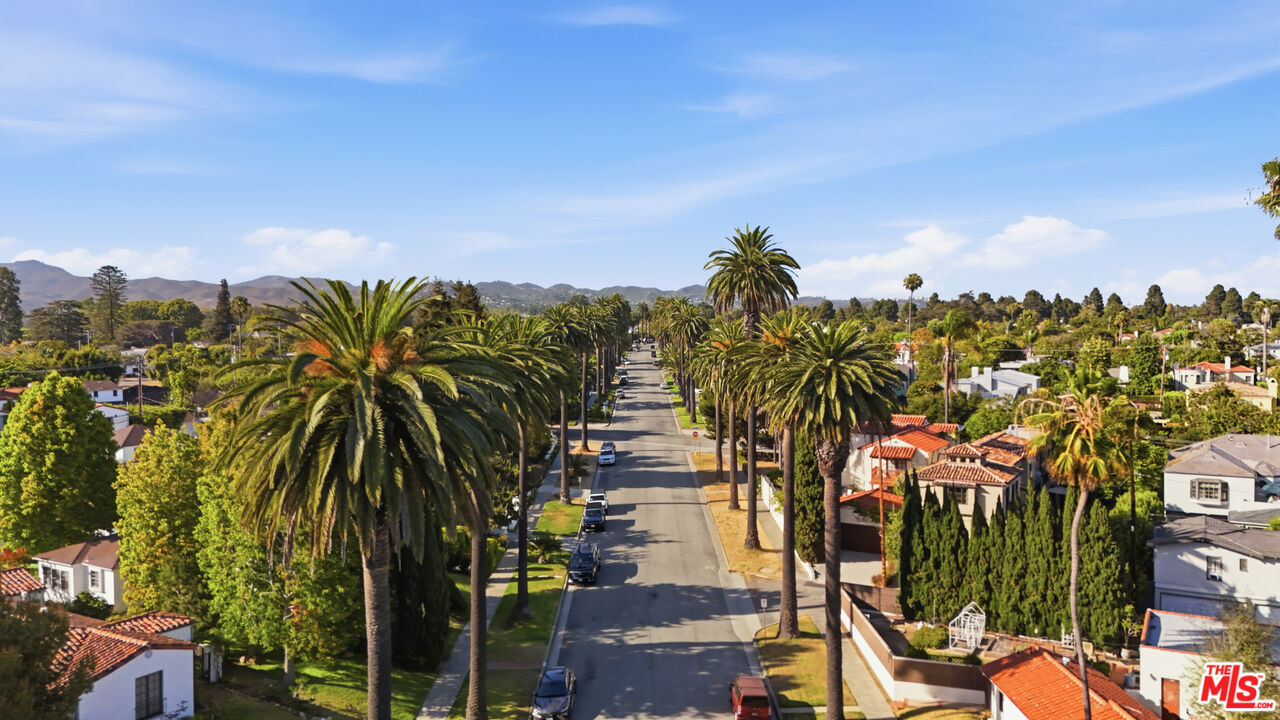
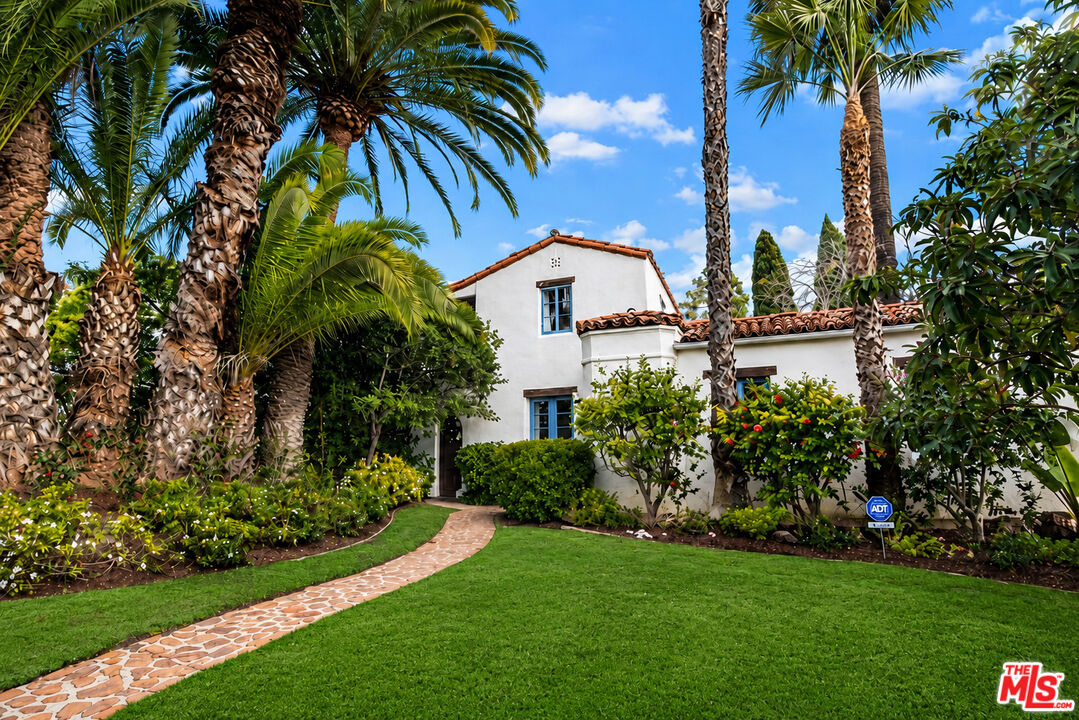
North of Montana (90402) is the city's premier luxury enclave and where most ultra-high-end activity happens. Stretching from Montana Avenue up to the Pacific Palisades border, it's defined by wide, quiet, tree-lined streets and generous lots. The housing stock is a rich mix of 1920s Spanish Revivals, classic Craftsmans, and sprawling contemporary estates, with the boutiques and cafés of Montana Avenue serving as its social spine. This is the address buyers name when they want the best Santa Monica has to offer.
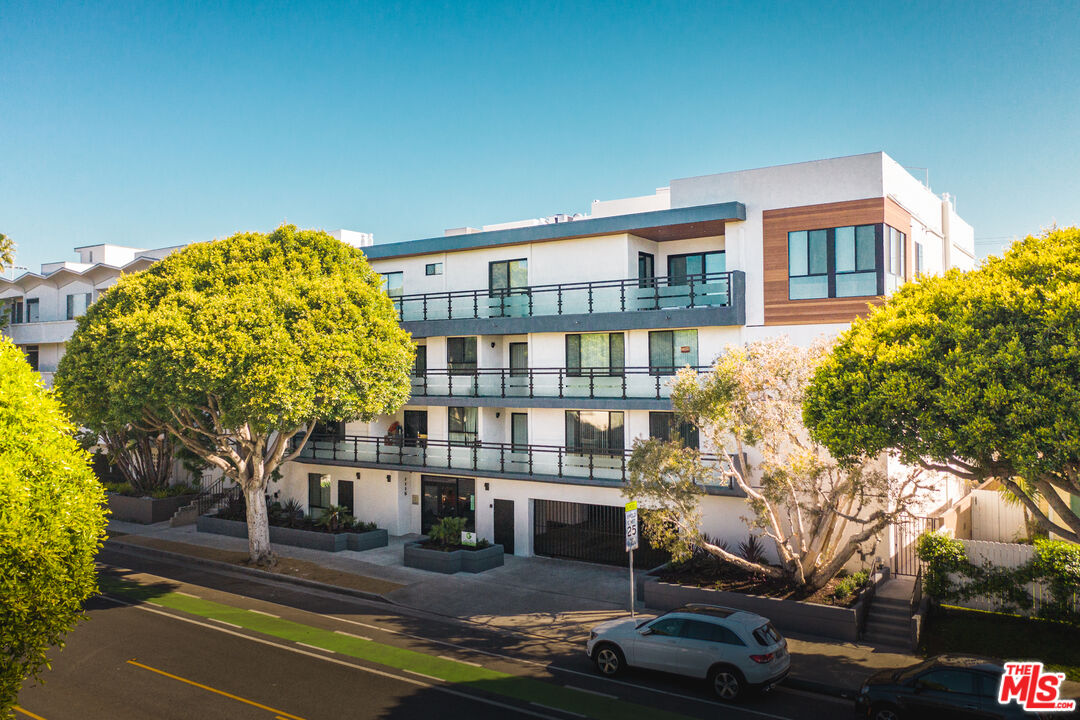
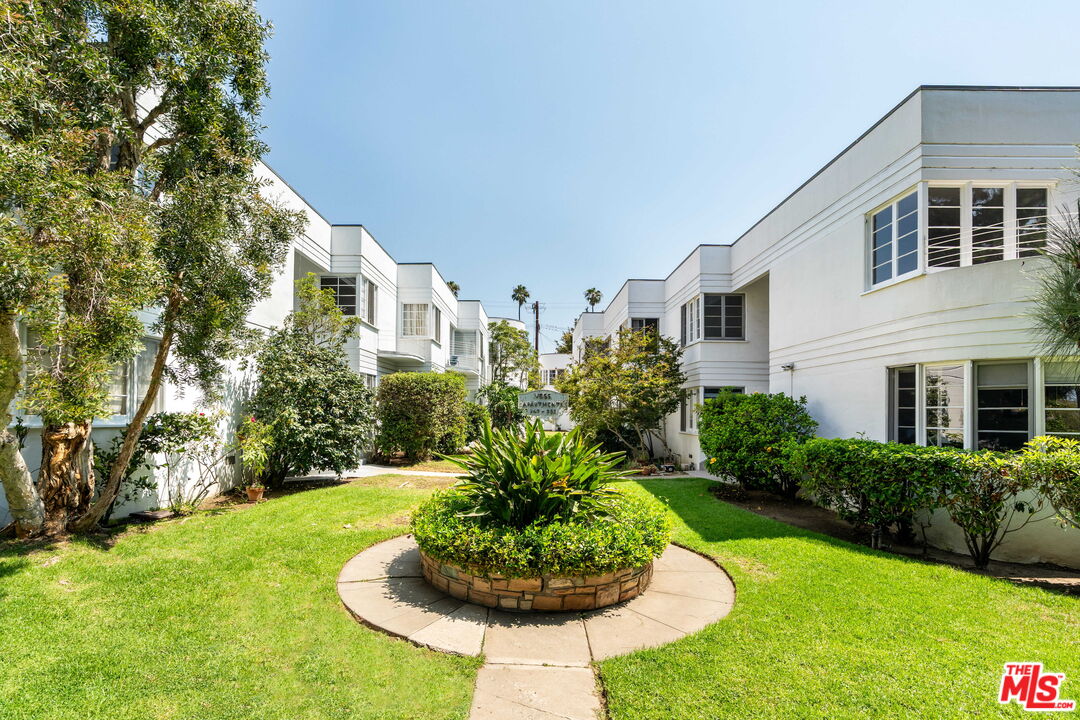
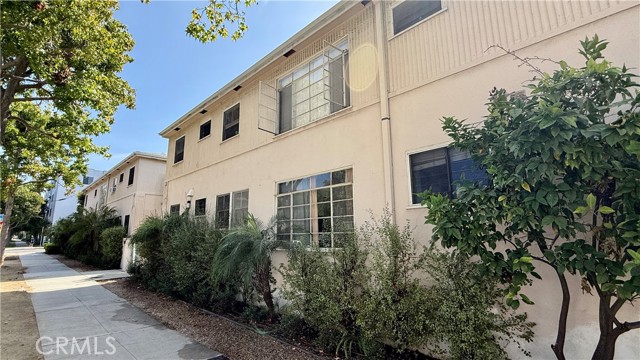
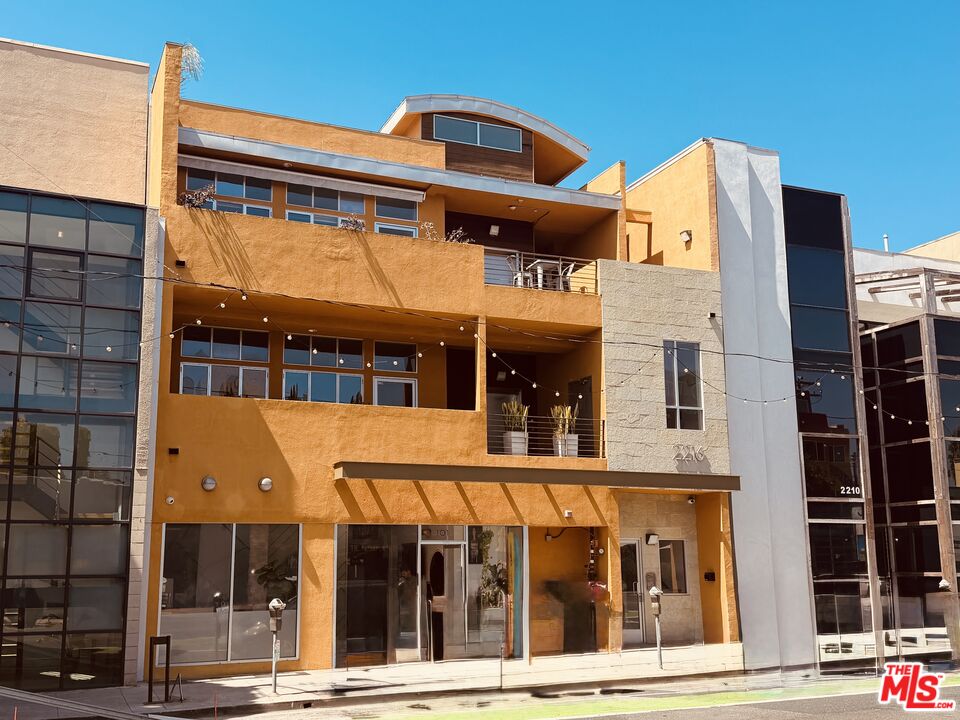
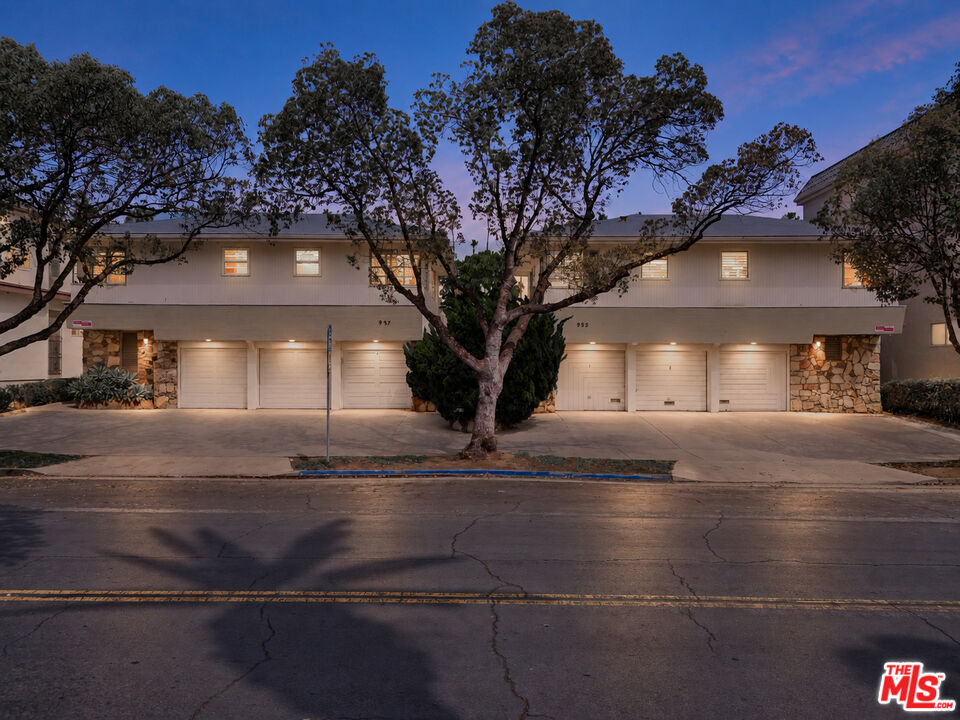
Wilshire-Montana and Mid-City (90403) sits just south, between Montana and Wilshire/Olympic. It's denser and exceptionally walkable, built around low-rise condos, townhomes, and classic courtyard apartments. The appeal here is convenience — restaurants, grocers, and medical centers within steps — which makes it a perennial favorite for young professionals and families.
Ocean Park and Sunset Park (90405) occupy the southern half of the city and trade polish for a more relaxed, bohemian feel. Ocean Park hugs the beach near the Venice border and centers on Main Street, with its independent coffee shops, art galleries, and beach bungalows. Sunset Park sits further inland around the airport and Clover Park, offering post-WWII tract homes, top-rated public schools, and a genuinely tight-knit family community.
Downtown and the Ocean Avenue Corridor (90401) is the energetic commercial heart, home to the Third Street Promenade, Santa Monica Place, and the luxury high-rise condos along Ocean Avenue with unobstructed Pacific views. This is the most urban, walk-everywhere part of the city.
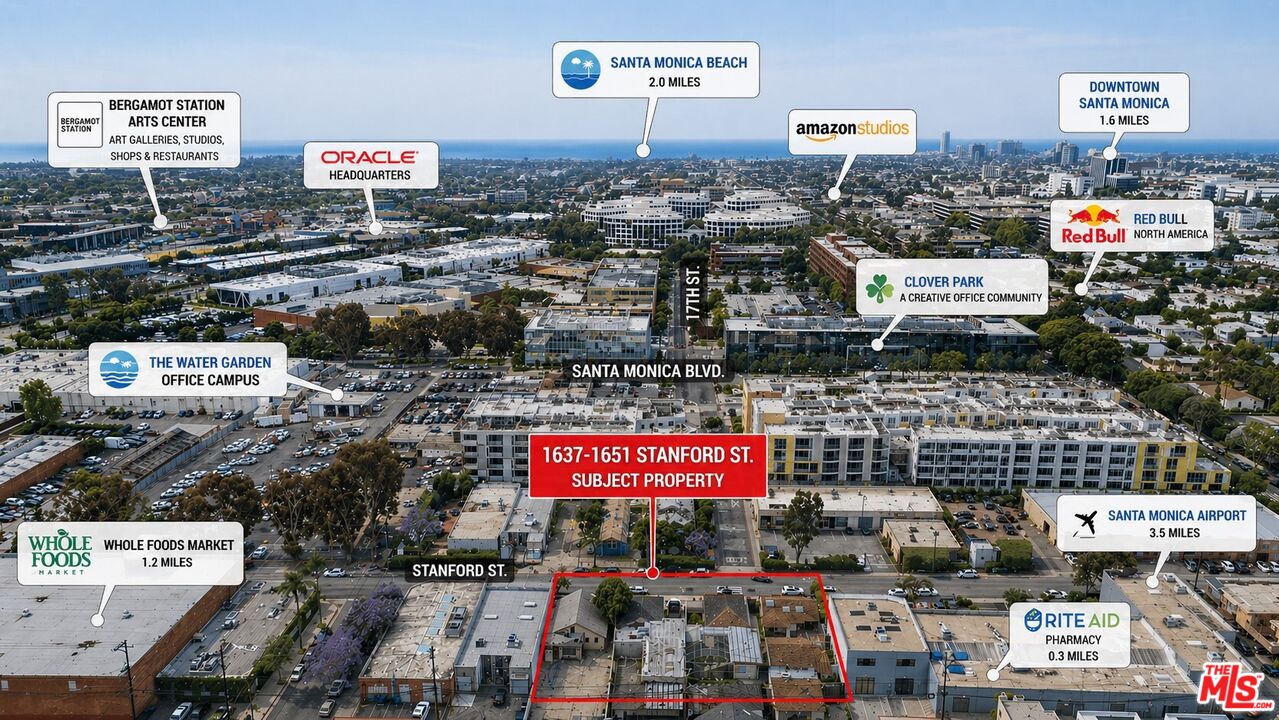
The Pico District and Northeast (90404) runs along the eastern edge bordering West LA. Historically diverse and more industrial, it has become a hub for creative offices, media production, and major medical complexes like Providence Saint John's. It also represents some of the city's most accessible entry points, with mid-century apartments and modest single-family homes.
The Santa Monica Real Estate Market
The Santa Monica market is one of the most competitive in the country, and understanding why matters more than memorizing any single statistic. Strict zoning, almost no raw land for new development, and relentless demand for coastal California property combine to keep inventory permanently tight and prices firm.
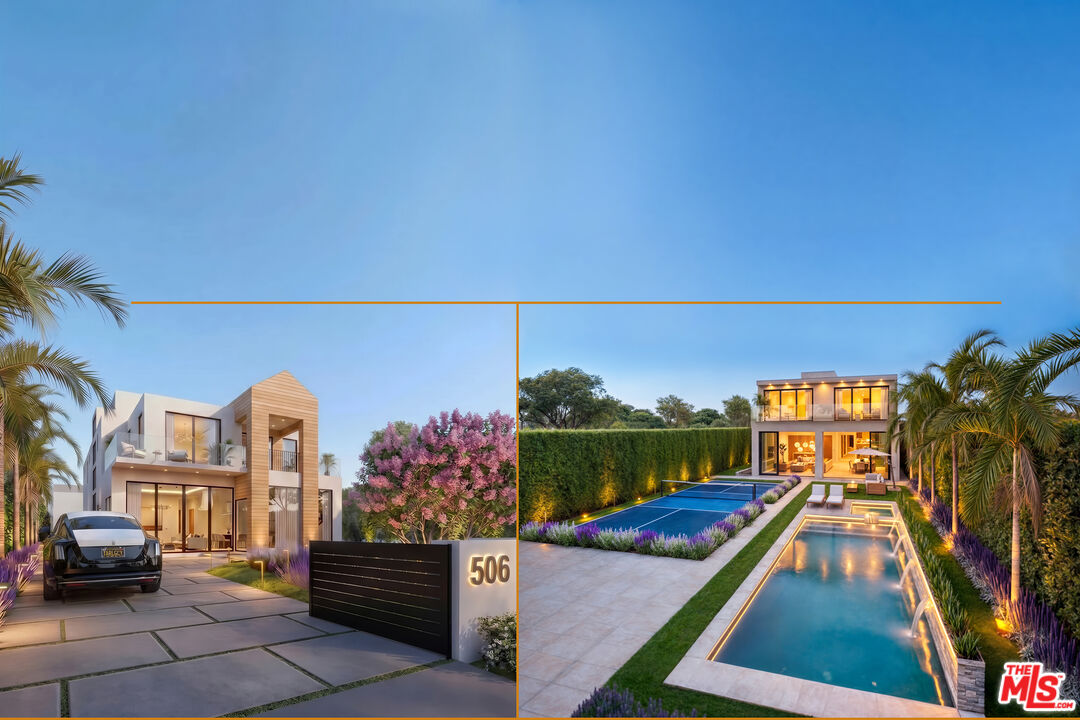
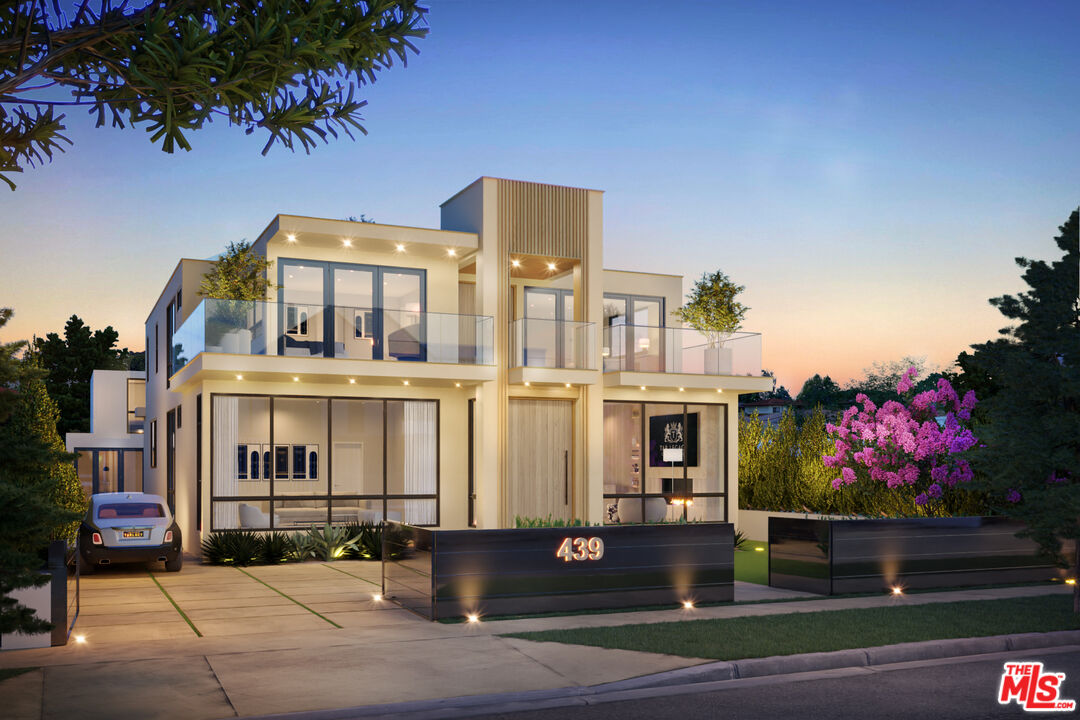
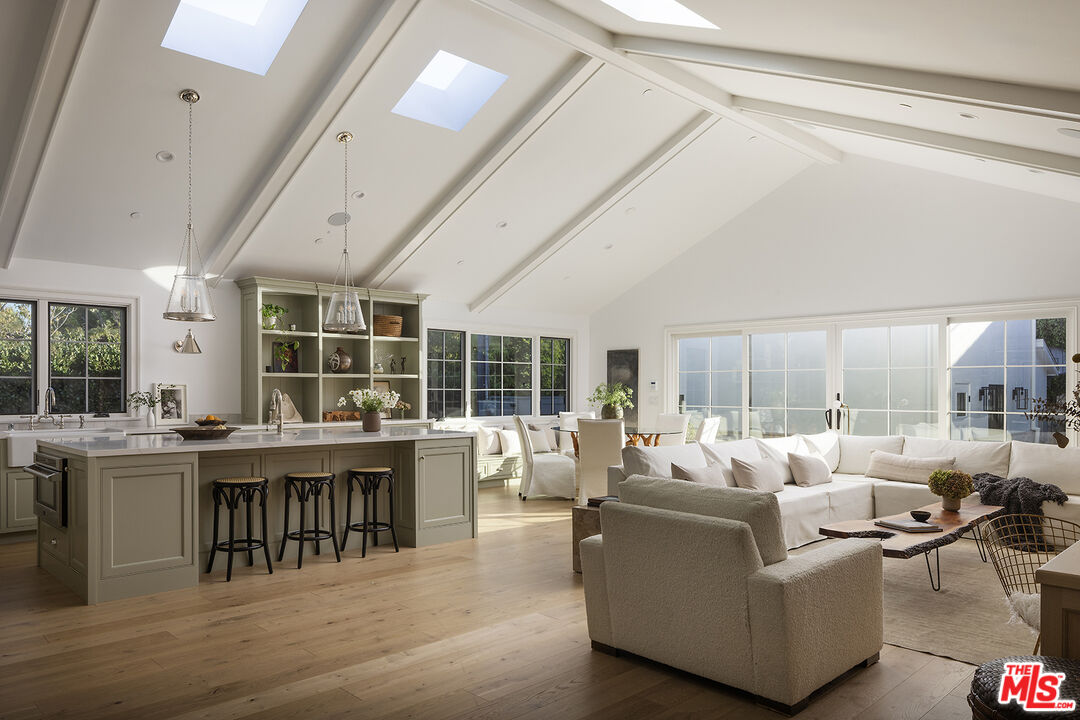
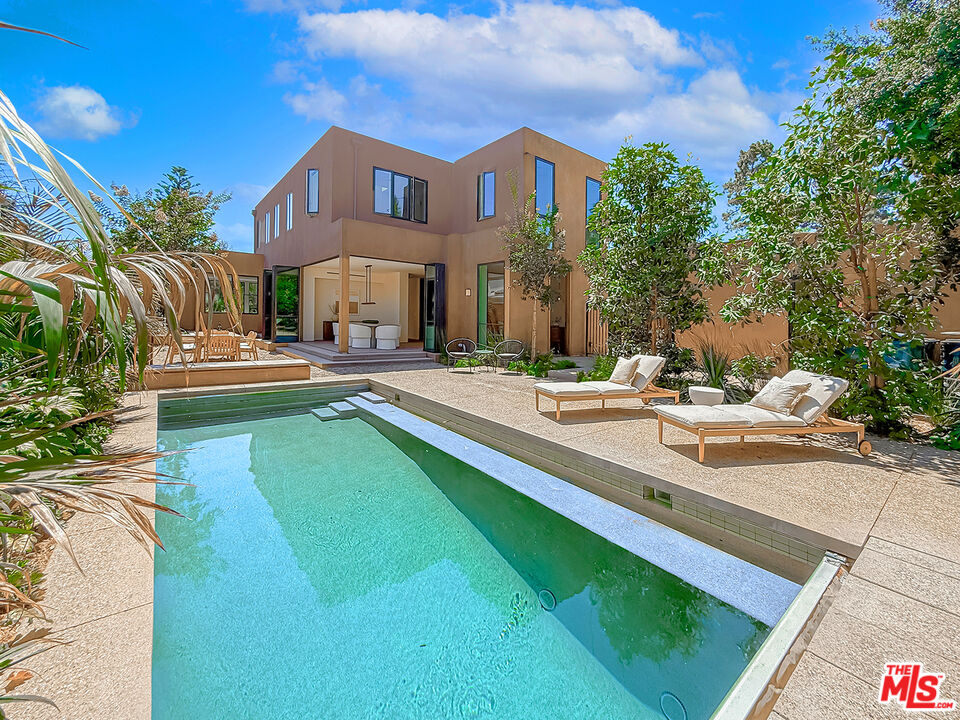
In practice, the market behaves as two separate worlds. Single-family homes function as insulated luxury assets, with citywide median sale prices hovering near $3.85 million — and in pockets like North of Montana, median listings routinely sit above $4.5 million. Because so few homes come available, they frequently sell at or above asking. Condos and townhomes offer a more attainable path, with median prices generally running between $1.1 and $1.3 million depending on neighborhood, slightly more inventory, and a bit more room to negotiate. That makes the condo tier the favored entry point for first-time buyers determined to secure a Westside address. For renters, Santa Monica remains among the priciest markets nationally, with median rent around $4,000 a month.
A few structural forces keep this market the way it is. The city's rigorous height limits and historic preservation rules sharply restrict new multi-unit construction, so scarcity is essentially built into the law. Silicon Beach's high-paying jobs feed a steady stream of affluent buyers wanting short commutes. And walkability commands a real premium — properties within a few blocks of Montana Avenue or Main Street are worth more precisely because residents can leave the car at home.
One word of caution that experience teaches quickly: the big national real estate portals blend multi-million-dollar estates and small apartment-style condos into a single "median" figure, which gives buyers a distorted read on what they can actually expect to pay. The only reliable way to navigate Santa Monica is with micro-local data, neighborhood by neighborhood — which is exactly where working with an agent who lives and breathes this market pays for itself.
Cost of Living in Santa Monica
It's worth being direct: Santa Monica runs roughly 75% to 80% above the national average for cost of living, and that's almost entirely driven by housing. An individual generally needs a six-figure income to live comfortably here, and families often need more than one strong earner.
Housing is where the budget takes its hit — costs sit around 200% above the national average, whether you're carrying a mortgage or paying that ~$4,000 median rent. After that, the picture is more nuanced than newcomers expect. Utilities are actually a pleasant surprise: because the Mediterranean climate rarely demands heavy heating or air conditioning, energy bills tend to land 10% to 15% below the national average. Groceries and dining run about 12% to 15% higher, with high-end grocers like Whole Foods and Erewhon alongside standard supermarkets, and restaurant prices reflecting steep commercial rents.
Transportation is genuinely flexible here, which is unusual for LA. Gas is among the most expensive in the nation, but the city's tiny footprint, robust bike infrastructure, and the Metro E Line make a car-light or even car-free lifestyle realistic for people who live and work locally. On taxes, residents face California's progressive state income tax (up to 13.3%) and a local sales tax of 10.25%.
Beaches and Outdoor Recreation
The outdoor life is the reason most people accept the price of admission, and Santa Monica is engineered to push you outside.
The centerpiece is Santa Monica State Beach, more than three miles of unusually wide sand split by the pier, with volleyball courts, paved walkways, and room to breathe even on a packed July weekend. On the north end, the Annenberg Community Beach House — a historic estate turned public facility — offers a pool, splash pad, volleyball, and a café, delivering a rare public version of the beach-club experience. Running alongside it all is the Marvin Braude Bike Trail, known locally as "The Strand," a flat, scenic 22-mile path that draws cyclists, runners, and skaters from north of the city all the way down to Torrance.
Inland, the recreation keeps going. Palisades Park stretches 26 acres along the bluff-top edge of Ocean Avenue, its palm trees and rose gardens making it the city's go-to spot for sunset walks and outdoor yoga. The Santa Monica Stairs, tucked into a north-side residential canyon, are a legendary local cardio workout. And Tongva Park, a sculpted six-acre oasis built atop a former parking lot, offers rolling hills, native plantings, and a dramatic ocean overlook just south of Colorado Avenue.
One insider note worth passing along: the best beach season here isn't summer. September and October bring the warmest water, the clearest skies (no more morning fog), and a fraction of the summer crowds. Locals quietly consider it the city's finest stretch of the year.
Dining and Restaurants
Santa Monica is widely credited as a birthplace of California Cuisine — that fresh, hyper-local, farm-to-table philosophy that reshaped American cooking. The scene runs the full range, from beachside taco stands to Michelin-recognized rooms.
It all orbits the Santa Monica Farmers Market, particularly the Wednesday market on Arizona Avenue, arguably the most famous chef-driven market in the country. On any given Wednesday morning you'll find the city's top toques wheeling carts between stalls, hunting heirloom vegetables and citrus that will define their menus by dinner.
Each neighborhood has its own flavor. Around Ocean Avenue and Downtown, dining skews upscale with panoramic views — landmark seafood at The Lobster right at the pier's entrance, refined coastal Italian, and polished steakhouses. The Wilshire and Mid-City corridor is the land of beloved staples, anchored by Milo & Olive's wood-fired pizzas and Bay Cities Italian Deli, where the line forms daily for "The Godmother," perhaps LA's most famous sub. Main Street in Ocean Park leans laid-back and patio-driven, with vegan bistros and sustainable-seafood spots like Crudo e Nudo. And Montana Avenue offers casual chic — sun-drenched sidewalk cafés, juice bars, and quiet neighborhood dinner spots.
Shopping and Entertainment
Shopping and entertainment here are defined by open-air, pedestrian-first spaces that make the most of the coastal breeze. The Third Street Promenade is the world-famous, three-block, car-free thoroughfare of global brands, theaters, and outdoor dining, capped at its southern end by Santa Monica Place, a sleek open-air luxury mall with a rooftop dining deck. For something more intimate, Montana Avenue offers 15 blocks and over 150 independent boutiques with no large chains, while Main Street delivers an eclectic, bohemian mix of vintage shops, surf stores, and local bookstores.
For entertainment, the Santa Monica Pier and Pacific Park form the city's anchor, home to the world's only solar-powered Ferris wheel, arcades, street performers, and summer concerts. Culture seekers have the Broad Stage at Santa Monica College for theater, jazz, and classical performances, and Bergamot Station, a former railroad depot turned arts complex housing dozens of independent contemporary galleries. Nightlife stays true to the coastal character — sophisticated hotel lounges like The Bungalow at the Fairmont, rooftop bars over the sea, and the historic pubs and dives along Main Street.
Schools and Education
For families, schools are often the deciding factor, and Santa Monica's reputation here is a genuine asset. Public education is run by the Santa Monica-Malibu Unified School District (SMMUSD), which — thanks to a dedicated local tax base — consistently ranks among the top ten public systems in Los Angeles County.
The district feeds into highly sought-after elementary schools such as Franklin (North of Montana) and Roosevelt (Mid-City), and offers specialized options like the Edison Language Academy, a respected Spanish-English dual-immersion program. At the top of the ladder sits Santa Monica High School ("Samohi"), a historic powerhouse serving over 2,800 students with strong graduation rates, deep AP offerings, and standout visual and performing arts.
Higher education has a major footprint too. Santa Monica College (SMC), spread across a 38-acre Mid-City campus, is recognized as the number-one community college in California for transfers into the UC system — particularly UCLA and UC Berkeley — serving tens of thousands of students each year.
Getting Around: Transportation and Walkability
Los Angeles is infamous for car dependence, but Santa Monica is the rare exception, and that's no accident — it's the product of decades of deliberate planning. With an average Walk Score of 82, it ranks among the most walkable cities in California, and neighborhoods like Downtown, Ocean Park, and Wilshire-Montana connect homes to shops and restaurants on foot with ease. The city is also a micro-mobility pioneer, with protected bike lanes, bike corrals, and regulated e-scooter and e-bike programs throughout.
For regional travel, the Metro E Line (formerly the Expo Line) terminates right in Downtown Santa Monica at 4th and Colorado, steps from the beach, and runs east through Culver City and past USC into Downtown LA in about 46 to 48 minutes — bypassing the I-10 gridlock entirely. Locally, the city runs its own celebrated Big Blue Bus network, prized for being clean, reliable, and cheap ($1.75 standard fare with contactless TAP payment), serving Santa Monica and nearby Westside hubs including UCLA, Westwood, Venice, and LAX.
Arts, Culture, and Community Events
Santa Monica's cultural life blends high-art sophistication with genuine beach-town community spirit. The fine-art epicenter is Bergamot Station, an 1875 railroad station and former celery-packing plant now home to dozens of independent galleries, framing shops, and the City Garage Theatre — and it's free to wander.
The community calendar is what makes the city feel like a small town inside a metropolis. Locals' Night on the Pier, held monthly (typically third Thursdays from autumn through spring), reclaims the pier for residents with regional bands, classic car shows, and a distinctly non-touristy hometown feel. Each June, Santa Monica Pride transforms the streets around the Promenade and pier with pop-up markets, live comedy, and art installations. And through the warmer months, plazas and beachfront parks turn into open-air theaters for free twilight movie screenings, acoustic sets, and children's festivals.
Weather and Climate
Santa Monica enjoys a Mediterranean climate, but its position right on the bay gives it a weather profile unlike anywhere else in LA, governed by the moderating power of the Pacific. Summers are remarkably mild — while inland LA pushes into the 90s and 100s, the coast rarely tops 75°F thanks to steady ocean winds. Autumn is the local secret season: clear, warm, and pleasant, with daytime highs in the low 70s holding through October. Winters are crisp and cool (highs in the low 60s) and bring nearly all of the area's modest ~14 inches of annual rain. Spring slides into the cooler, cloudier stretch locals know well.
That stretch has a name — or two. "May Gray" and "June Gloom" describe the marine layer, a thick blanket of cool, moist ocean air that leaves late-spring and early-summer mornings foggy and overcast. Newcomers are sometimes disappointed by a gray start, but veterans know the drill: by early afternoon the sun typically burns through to brilliant blue skies, before the mist drifts back onto the sand at sunset. It's not a flaw in the weather here — it's the city's signature rhythm.
Talk to a Santa Monica Real Estate Expert
Choosing where to live in Santa Monica — North of Montana versus Ocean Park, single-family versus condo, beachfront versus Mid-City — comes down to nuances that no national listing portal can capture. That's where local expertise becomes invaluable, and it's why so many buyers and sellers on the Westside turn to The Umansky Team.
Led by founder and CEO Mauricio Umansky alongside Farrah Brittany, Eduardo Umansky, Alexia Umansky, and the rest of the team, the group is recognized as one of the leading real estate teams in Los Angeles and among the most successful in the country, with billions in career sales volume. Operating under The Agency, they bring creative marketing, deep market data, and a concierge approach to every client — treating each one like family. Whether you're exploring your first Santa Monica condo or evaluating a North of Montana estate, they can translate the city's two-tier market into a clear, confident strategy built around your goals.
To start a conversation, reach The Umansky Team at 424.230.3701 or [email protected]. Whether you're buying, selling, or simply getting a feel for the neighborhood, they're glad to be a resource — no pressure, just informed guidance from people who know this coast block by block.