35,090 people live in West Hollywood, where the median age is 39.6 and the average individual income is $88,026. Data provided by the U.S. Census Bureau.
Total Population
Median Age
Population Density Population Density This is the number of people per square mile in a neighborhood.
Average individual Income
Where glamor meets everyday-chic.
West Hollywood—WeHo to anyone who actually lives there—is one of the most concentrated pockets of culture, nightlife, design, and identity in all of California. At just 1.9 square miles, it punches well above its weight. You're walking distance from world-famous comedy clubs, Michelin-caliber restaurants, globally recognized design showrooms, and some of the most iconic live music venues in rock history—all before you need a car.
What sets WeHo apart from neighboring areas isn't just what's here, but how it feels. The city operates with a distinct civic identity. It's independently incorporated, politically progressive, and unapologetically itself. The LGBTQ+ community built much of what the city is today, and that spirit of openness and self-expression is woven into everyday life—from the rainbow crosswalks at Santa Monica and San Vicente to the year-round Pride programming. The "Creative Class" fills the cafes and co-working spaces: designers, musicians, entertainment industry professionals, and tech workers who all chose WeHo because the energy matches their lifestyle.
This isn't a quiet suburb. It's a high-energy urban village where the best version of LA living—walkability, culture, cuisine, and community—exists within a few blocks in every direction.
West Hollywood's character was largely shaped by what it wasn't: part of the City of Los Angeles. For much of the 20th century, it existed as an unincorporated county island, sitting just outside LAPD jurisdiction. That legal limbo turned out to be the foundation for everything that makes WeHo distinct.
The area began as the Town of Sherman in the late 1890s—a railroad worker town built around Moses Sherman's Los Angeles Pacific Railroad headquarters. Unglamorous, functional, and far removed from LA's social codes.
During Prohibition, the lack of city oversight turned the Sunset Strip into one of California's most famous "anything goes" corridors. Speakeasies, gambling dens, and celebrity haunt restaurants thrived here precisely because local law enforcement couldn't easily intervene. By the 1940s and 50s, the Strip had fully transformed into Hollywood's glamour epicenter, home to legendary clubs like Ciro's and The Mocambo.
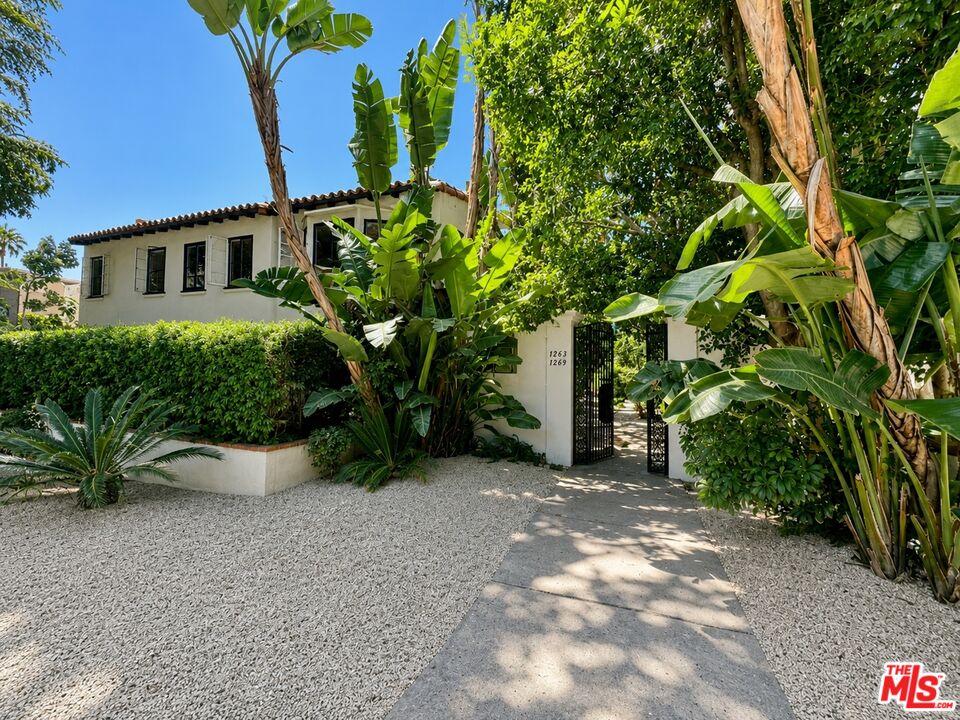
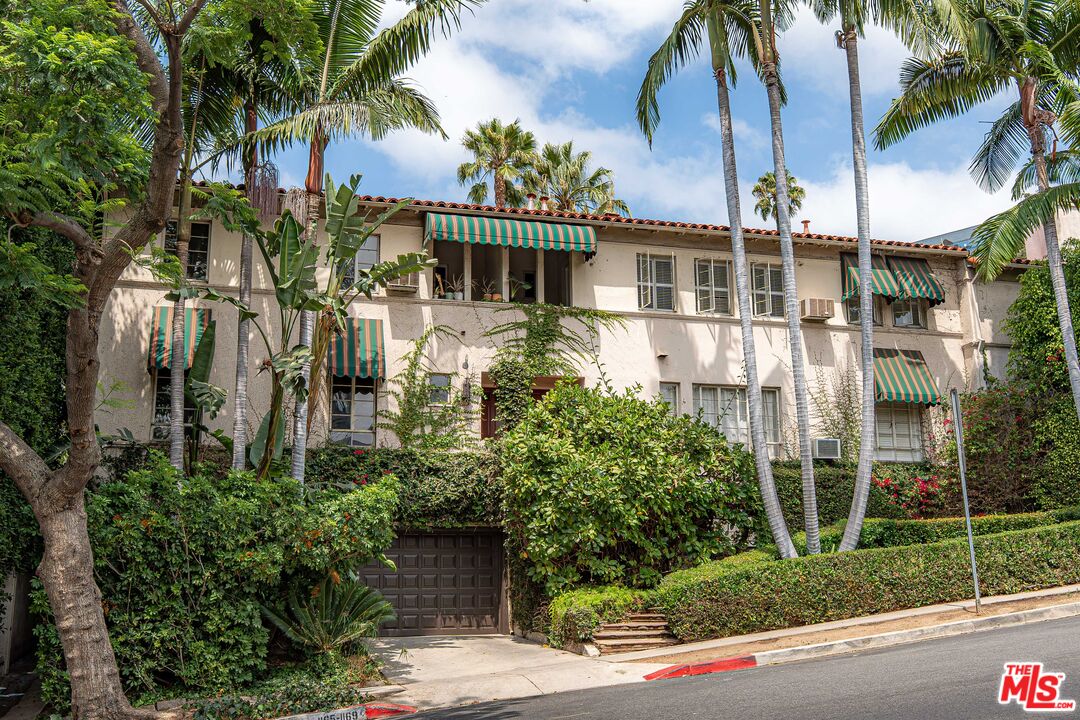
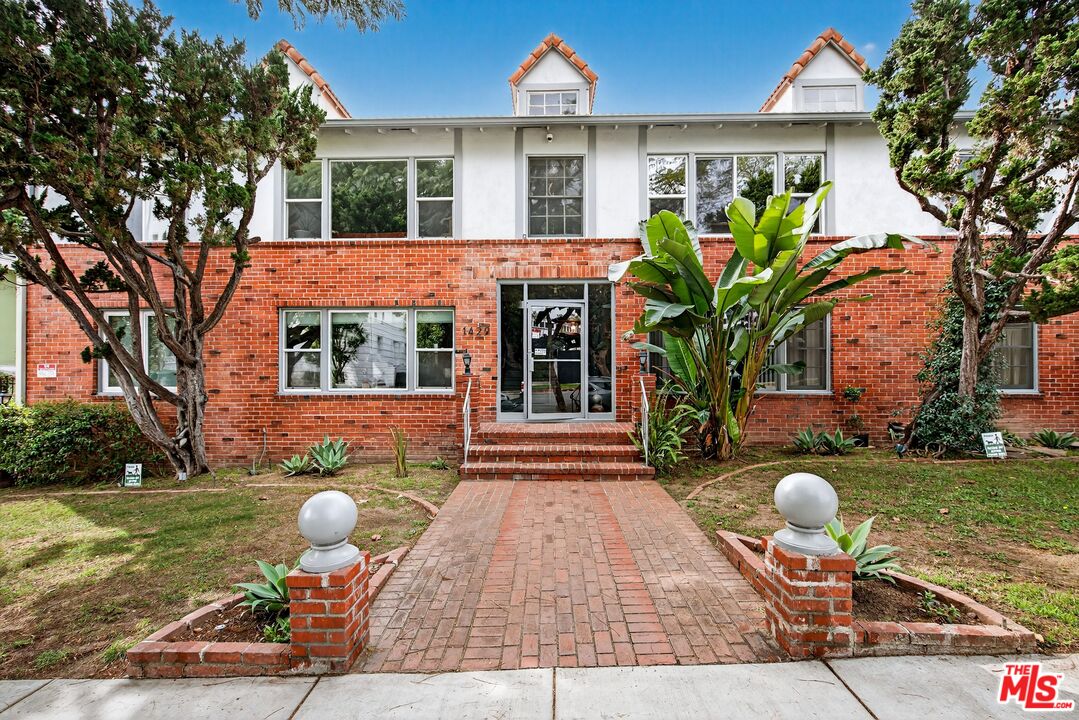
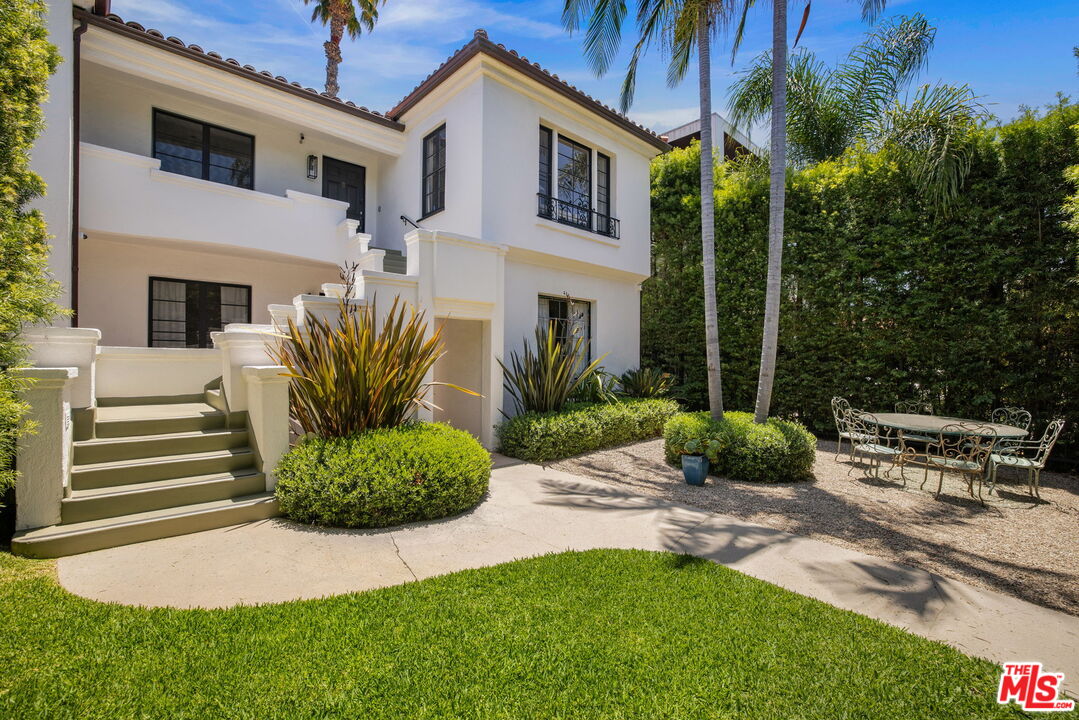
Architecturally, the city grew in layers: Spanish Colonial Revival courtyard apartments from the 1920s, Mid-Century Modern commercial buildings through the postwar decades, and eventually landmark structures like the Pacific Design Center—the massive blue glass complex locals call the "Blue Whale"—which announced WeHo's arrival as a serious global design hub.
The most defining moment came in 1984, when a unique political coalition of LGBTQ+ activists and senior residents (the seniors fighting for rent control, the activists fighting for civil rights protections) voted to formally incorporate West Hollywood as an independent city. It was the first municipality in the US to have a majority-gay city council. That incorporation locked in the progressive, community-forward identity the city still carries today.
West Hollywood sits in the heart of metropolitan Los Angeles, bordered entirely by the City of Los Angeles and Beverly Hills. Despite its central position, it operates as its own independent municipality—an urban island with its own mayor, city council, and municipal services.
The city's northern edge follows the base of the Santa Monica Mountains, where the terrain rises steeply into the Hollywood Hills. The Sunset Strip runs along this elevated northern corridor, offering dramatic views of the LA Basin. The southern portion—known as the flatlands—is a walkable urban grid that transitions into the Fairfax District and Beverly Grove. To the east is Hollywood proper, and to the west is Beverly Hills.
The geography spans only about 1.9 square miles, meaning most of WeHo is accessible on foot or by bike. The compactness is a feature, not a limitation—residents rarely need to travel far for anything.
The climate is Mediterranean with a coastal influence. Summers peak around 80°F, winters stay mild (rarely below 45°F), and the proximity to the coast keeps the city a few degrees cooler than downtown LA. Marine layer mornings are common in late spring.
As of early 2026, West Hollywood's real estate market is competitive but more measured than the frenzied conditions of the early 2020s. The era of escalating bidding wars has given way to a market where condition, pricing accuracy, and location within the city matter significantly.
The median sale price sits between $1.1 million and $1.28 million, reflecting approximately 11.9% year-over-year appreciation—outperforming much of Los Angeles County. Inventory remains constrained, with only 200–300 active listings at any given time, though a gradual spring ramp-up is underway as mortgage rates stabilize in the low 6% range.
Days on market have stretched to roughly 82–99 days on average, giving buyers more time for due diligence than in recent years. Well-priced, move-in-ready homes in prime locations can still go pending well under 60 days, while overpriced or deferred-maintenance properties tend to linger. Buyers currently have modest leverage, often closing 1–3% below list price. The market slightly favors sellers on quality turnkey inventory, while balanced-to-buyer conditions apply to everything else.
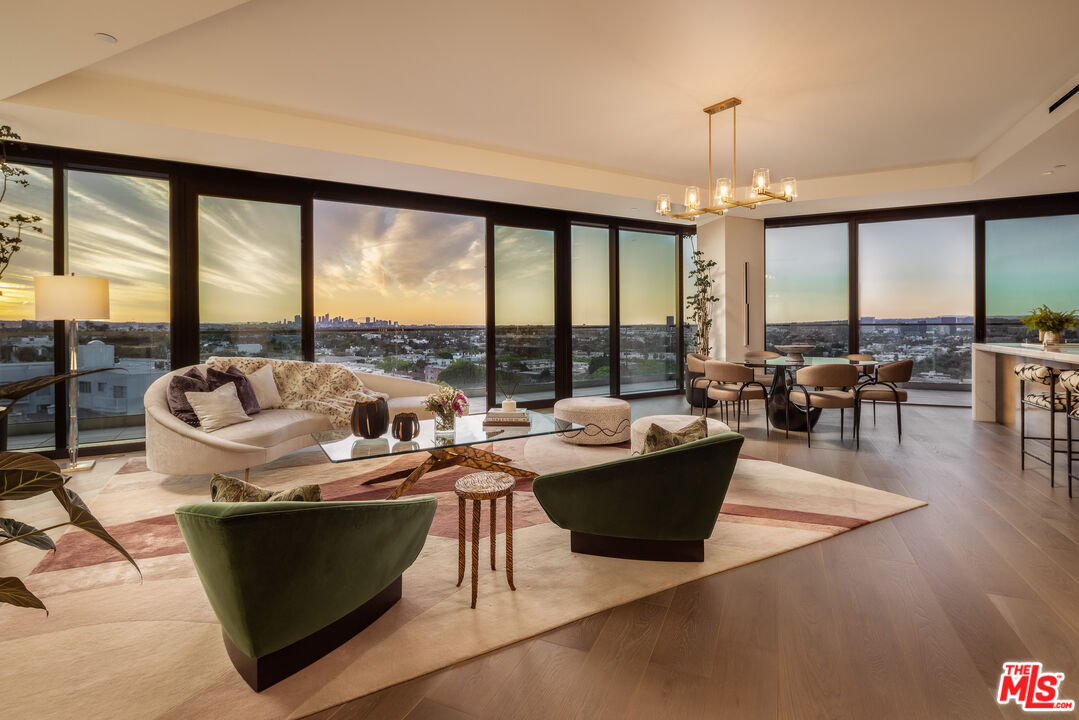
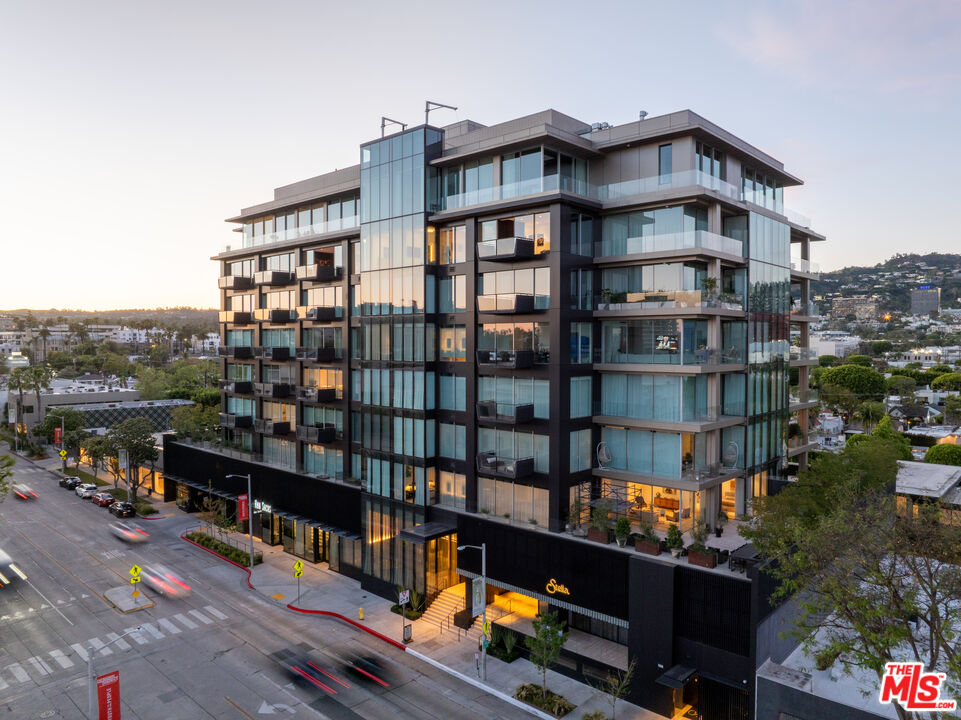
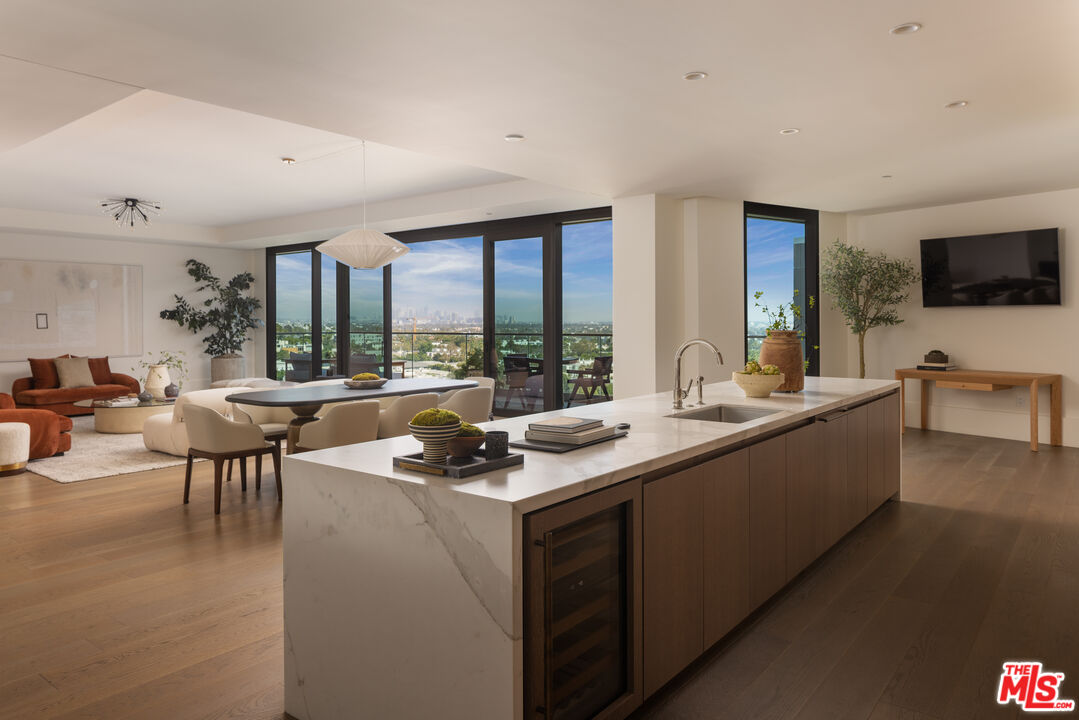
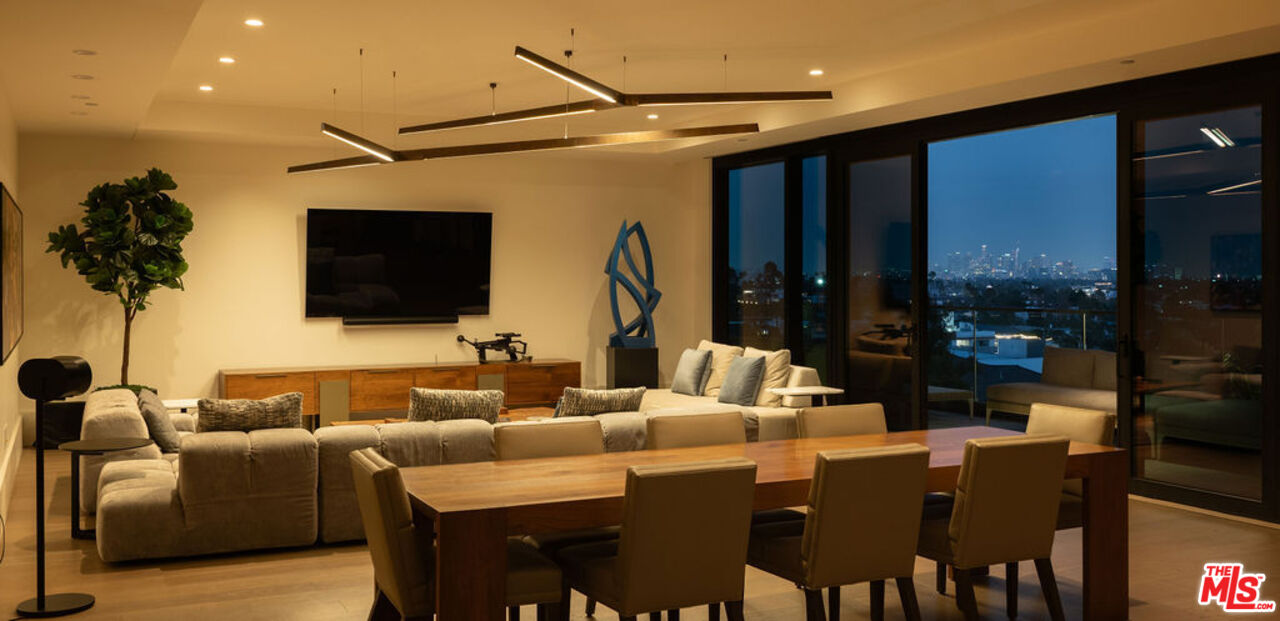
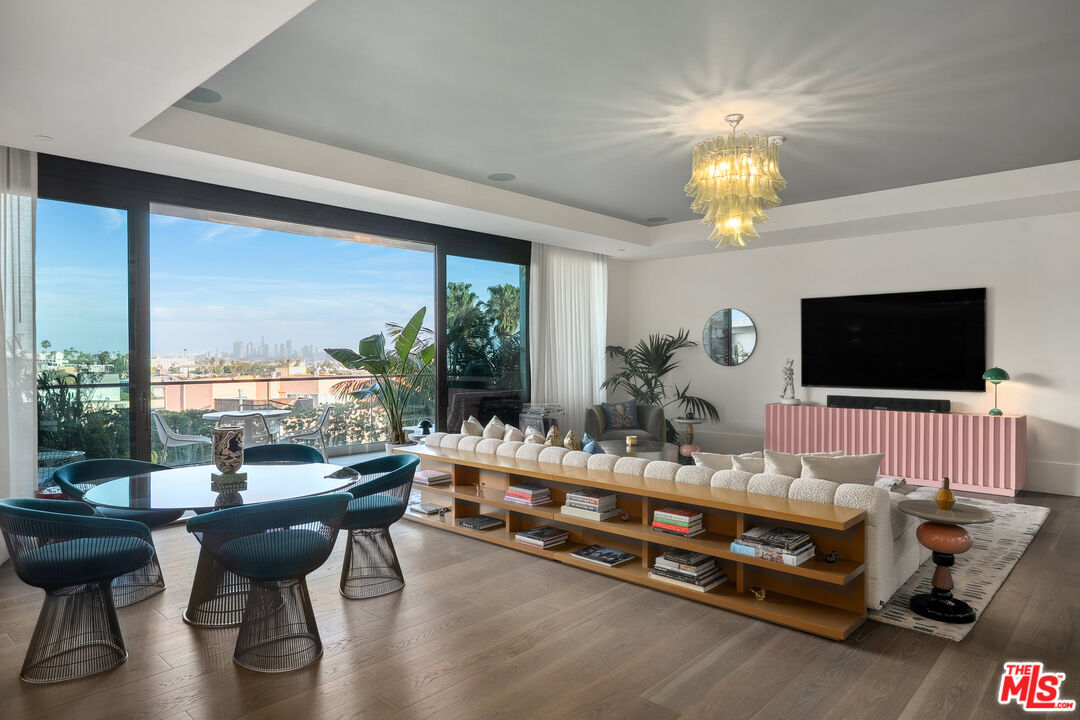
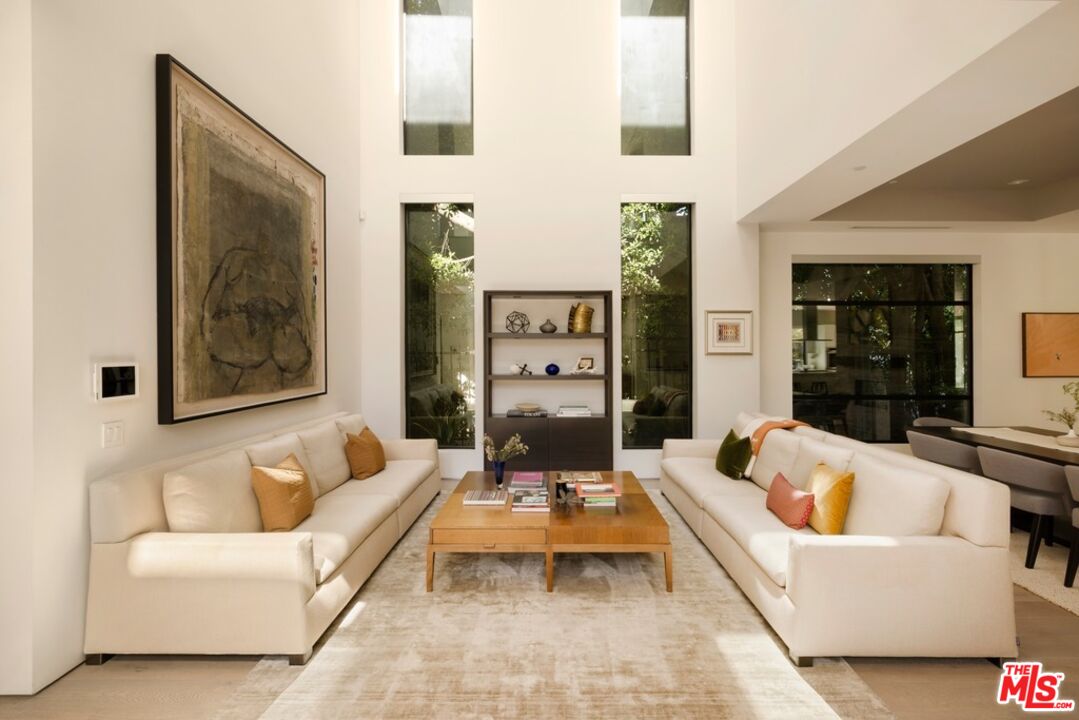
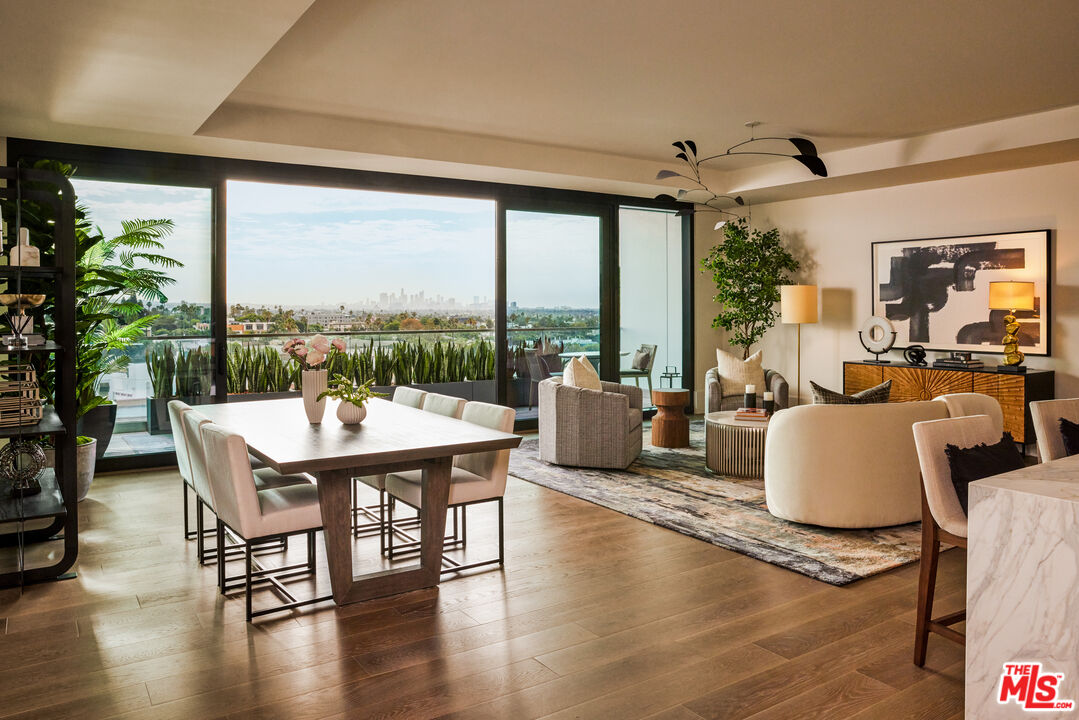
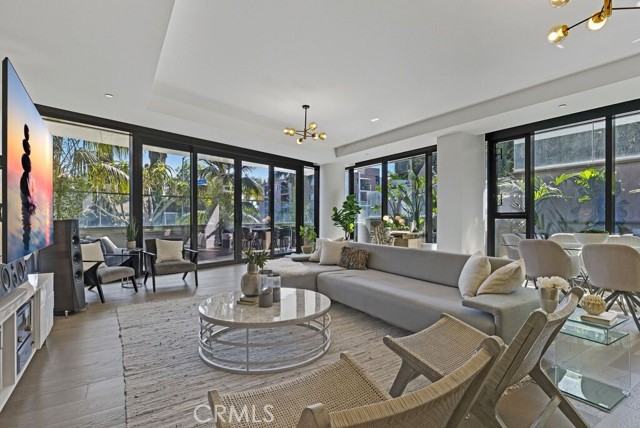
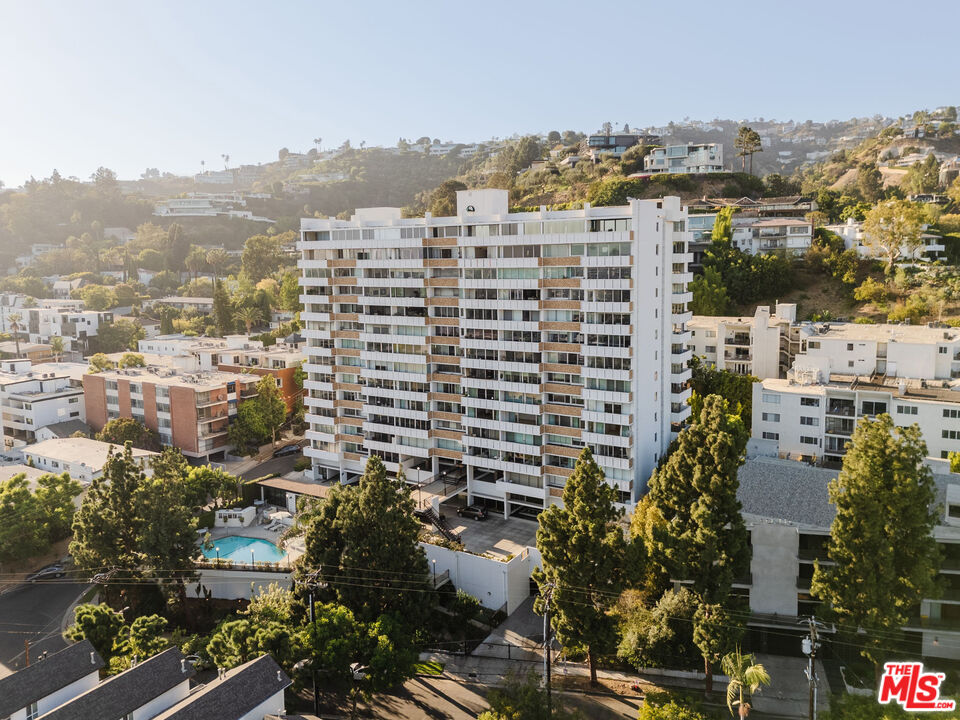
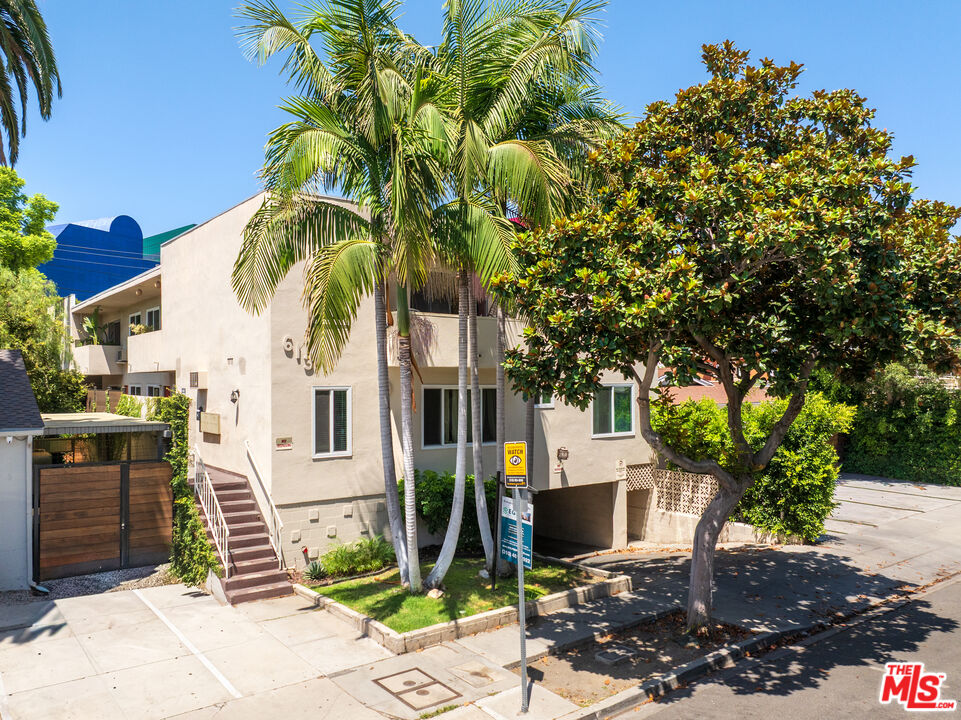
Condominiums and townhomes make up the dominant housing stock in West Hollywood, reflecting the city's high-density urban character. On the higher end, luxury high-rises like Sierra Towers offer full concierge service, valet parking, pools, and sweeping views of the LA Basin. Mid-range condo buildings—often converted Mid-Century "dingbat" apartments—provide a more attainable entry point, while contemporary loft spaces appeal to creative professionals. Condos generally range from $600,000 to $3 million or more depending on building, floor, and finishes.
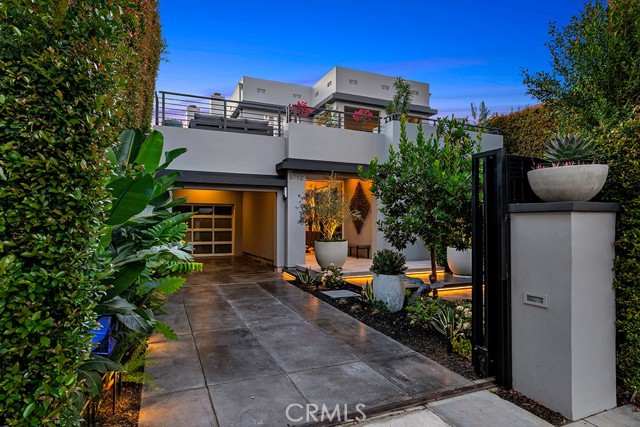
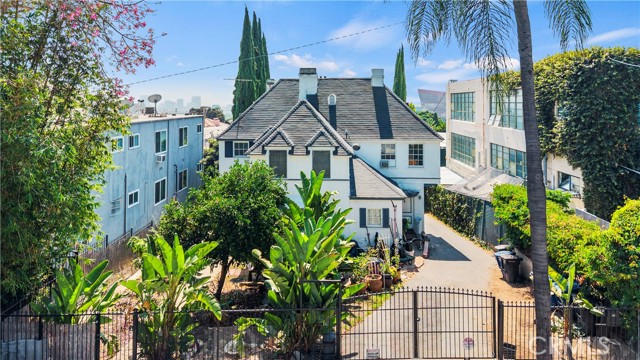
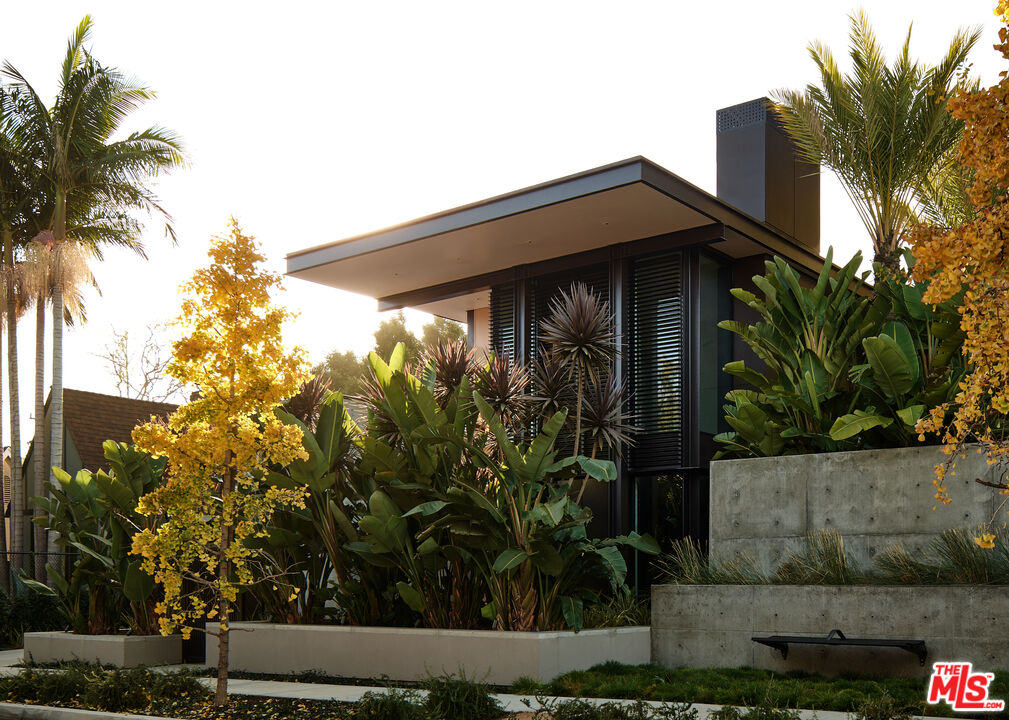
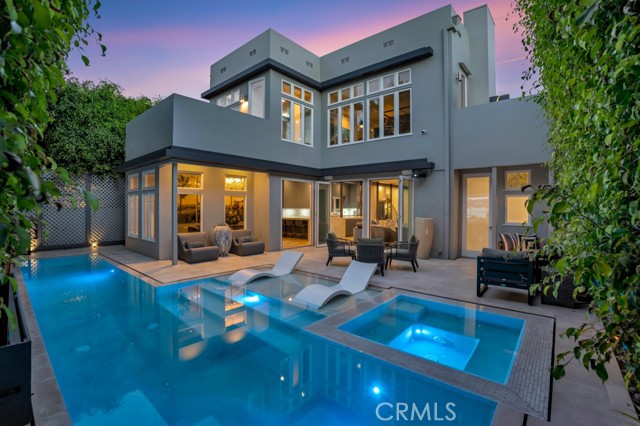
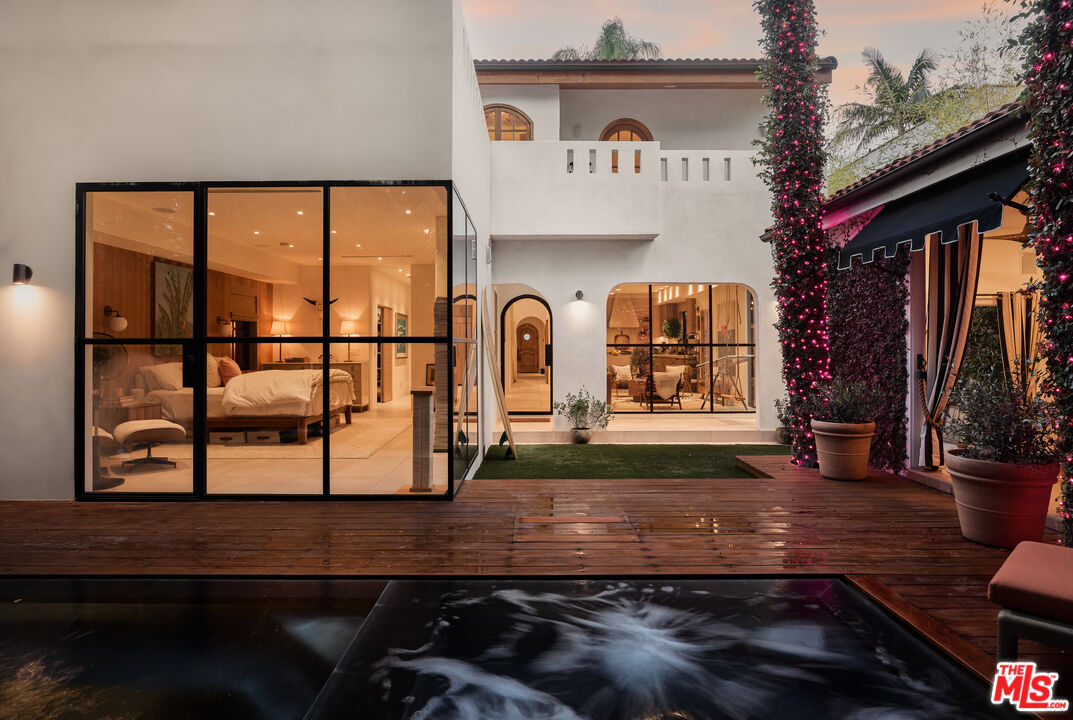
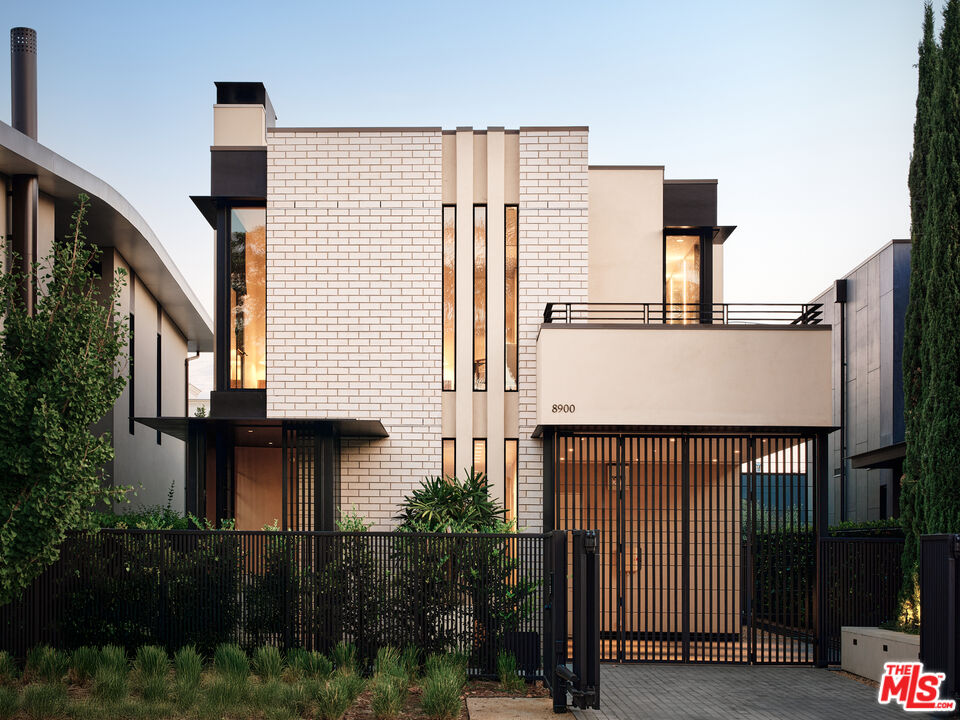
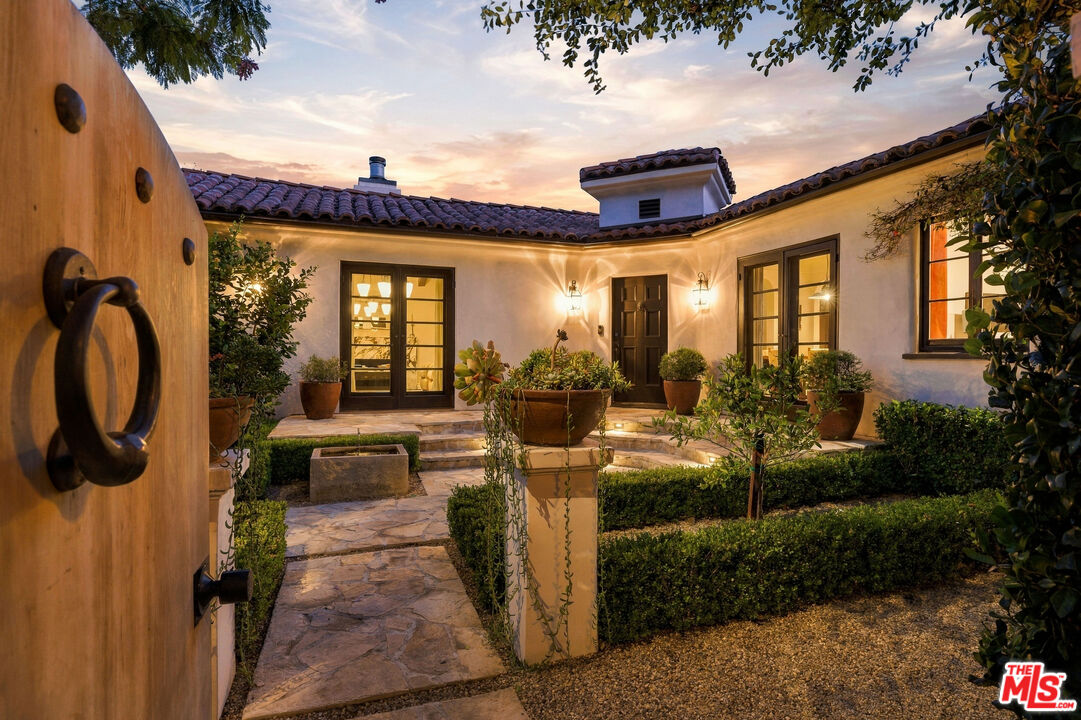
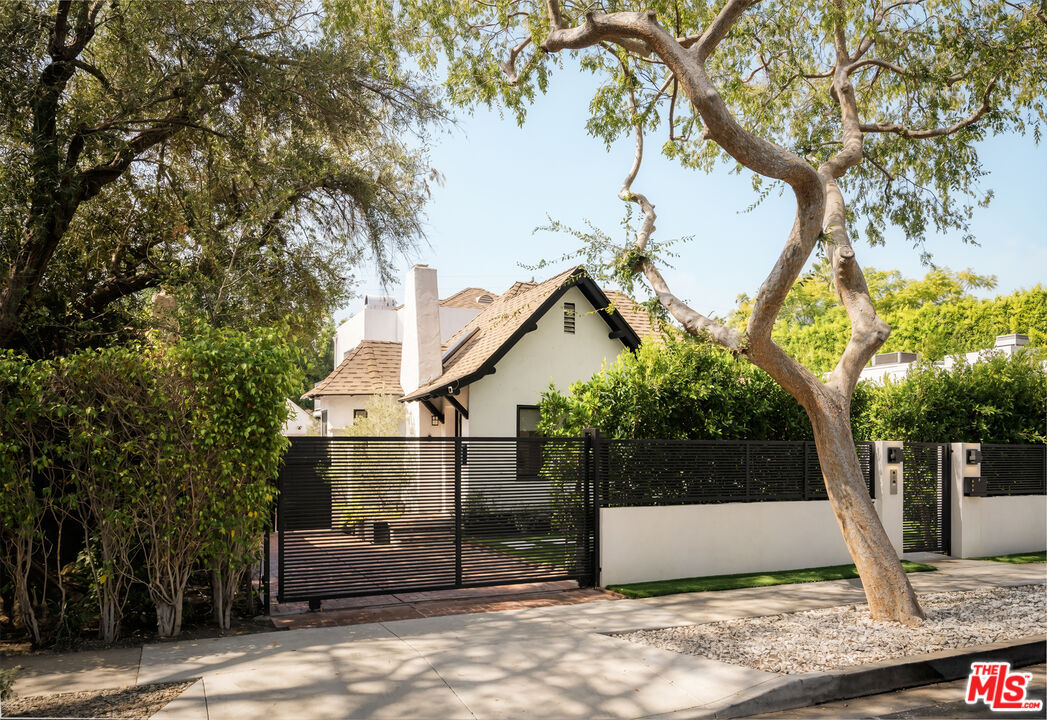
Single-family homes are scarce and among the most coveted properties in the city. They're concentrated in a few specific pockets: the West Hollywood West neighborhood and the hillside streets north of the Sunset Strip. The flatlands offer charming 1920s Spanish-style bungalows and Craftsman cottages, while the hills hold glass-walled architectural estates designed to maximize views—often listed well above $5 million. Townhomes, typically $1.2 million to $2.5 million, bridge the gap for buyers who want more privacy and square footage than a standard condo without the premium of a detached home.
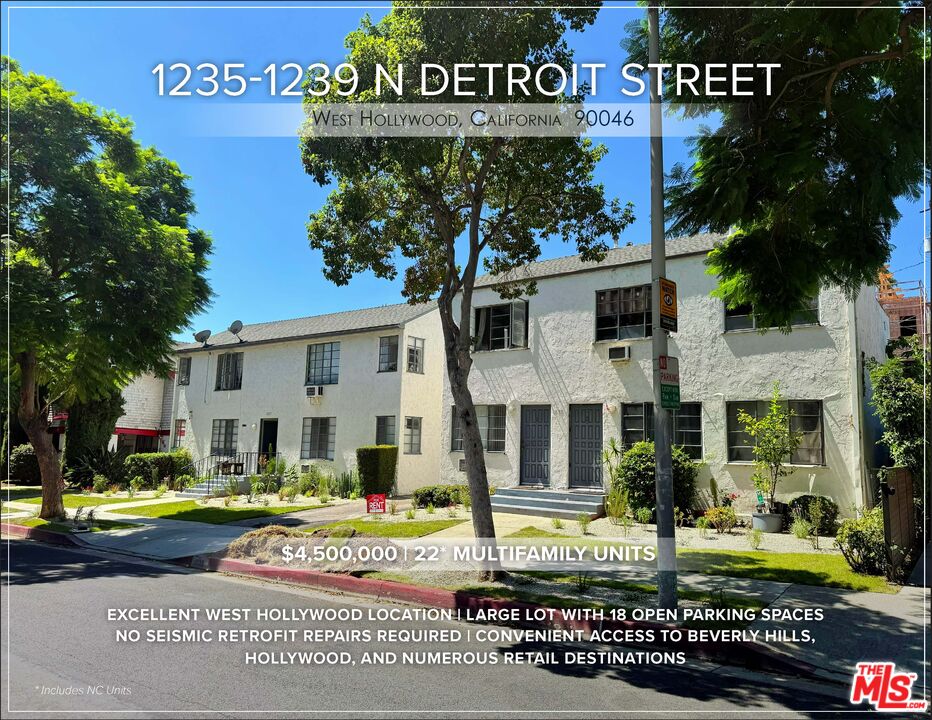
Renters make up an estimated 70–80% of WeHo residents, and the city's strict rent stabilization laws have preserved a substantial supply of older courtyard apartment buildings with long-term tenants. The newer luxury rental developments—rooftop decks, co-working lounges, wellness amenities—cater to the mobile professional demographic that flows in and out of the entertainment industry.
HOA health is the single most important due diligence item in a condo-heavy market like West Hollywood. Monthly HOA fees range from $400–$600 in standard buildings to $1,200 or more in luxury high-rises. More important than the monthly fee is the reserve fund—a depleted reserve means potential special assessments for major repairs that can run into the tens of thousands of dollars without warning. Always request the current reserve study before making an offer.
Parking deserves serious attention. Confirm whether any included parking space is deeded (owned) or assigned (subject to change). Street parking requires residential permits, and guest parking is notoriously scarce throughout the city.
Properties in the hillside neighborhoods north of Sunset sit in Very High Fire Hazard Severity Zones, which directly impacts insurance availability and cost. Homeowners insurance on these properties can be significantly more expensive or difficult to obtain through standard carriers—budget accordingly and verify coverage before closing.
Noise is part of the WeHo lifestyle. Proximity to the Sunset Strip or Santa Monica Boulevard brings energy and walkability, but also amplified traffic and bar noise well past midnight. Visit the property at different times of day and evening before committing.
School boundaries matter for families. WeHo is served by LAUSD, and homes zoned for West Hollywood Elementary—the highest-rated public option in the area—carry a meaningful price premium.
The spring market activates early in West Hollywood—typically by early March. Listing during the March through May window captures the highest concentration of motivated buyers looking to close before summer. December is the weakest period for WeHo listings unless your property appeals to a specific year-end buyer demographic.
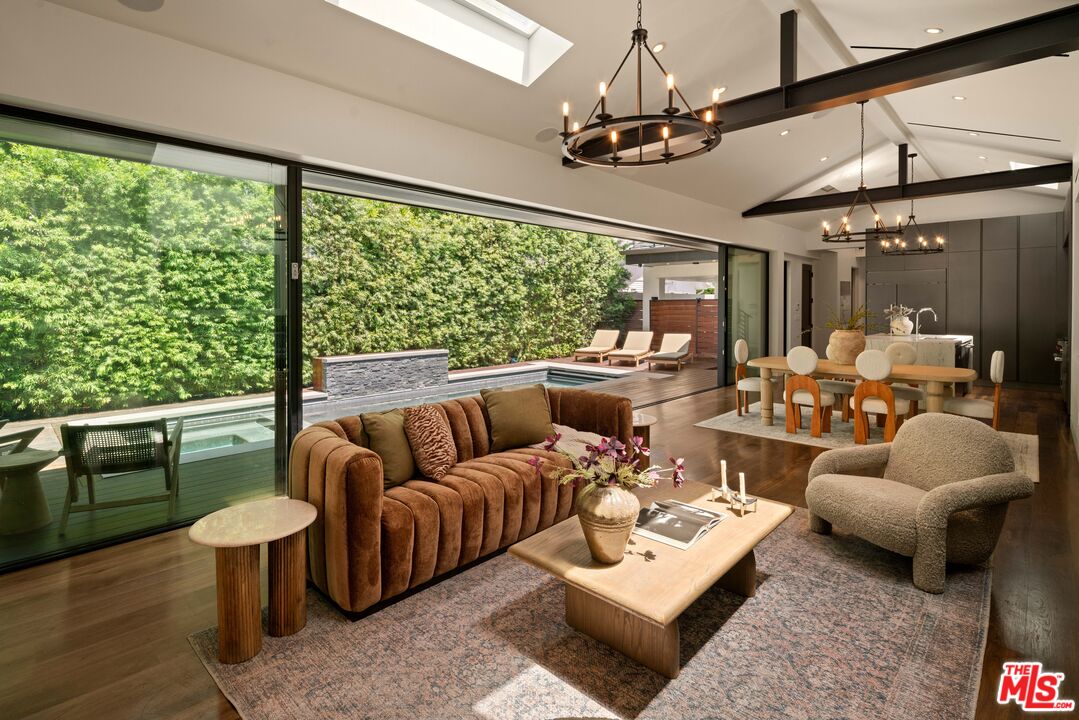
Presentation is the deciding factor in today's market. The buyers shopping in WeHo are predominantly creative professionals, entertainment industry workers, and dual-income couples without children. They're visually sophisticated and expect a property to feel finished. Spa-like bathrooms, dedicated home offices with soundproofing, and entertainment-ready floor plans are what this demographic is specifically seeking in 2026. Interior staging that moves away from gray-neutral palettes toward deeper, more expressive tones—warm terracottas, deep blues—is currently outperforming in this market.
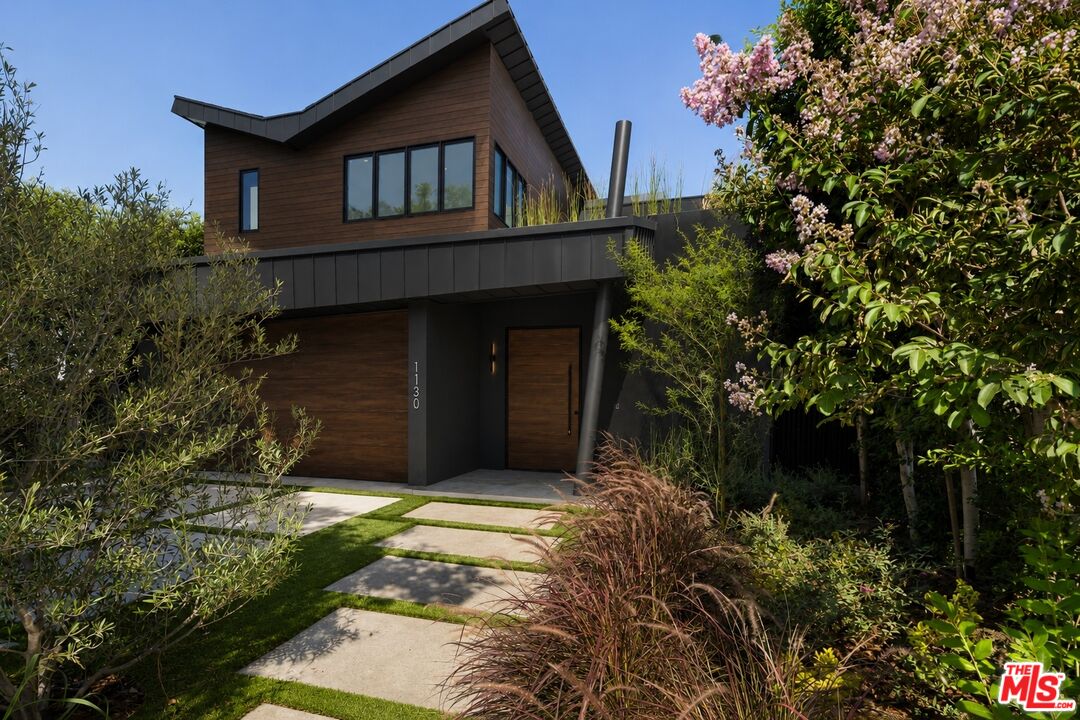
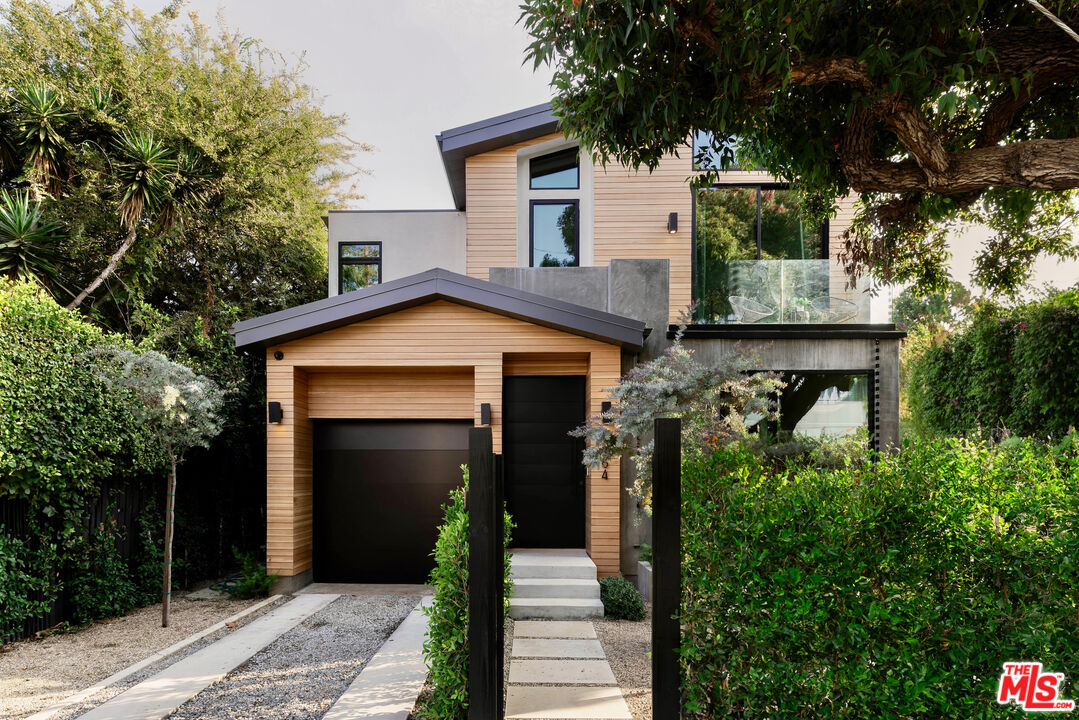
High-ROI improvements don't require full renovations. A kitchen refresh with updated hardware, quartz countertops, and new lighting can recoup close to 100% of cost at sale. For single-family homes, a well-designed front entry or modern garage door can return more than double the investment in perceived value.
Pricing accuracy is non-negotiable. Overpricing in a market with 80+ average days on market leads to price reductions, longer sit times, and buyer skepticism. Transparent pricing at true market value consistently leads to cleaner appraisals and faster closings.
For multi-family properties or previously rented condos, full compliance with West Hollywood's tenant relocation requirements is essential before listing. Non-compliance can delay or derail a sale.
West Hollywood's dining scene layers old Hollywood glamour with some of the most forward-thinking culinary concepts in Los Angeles. The Formosa Cafe—open since 1925 on Santa Monica Boulevard—and Dan Tana's are as much time capsules as restaurants, beloved for their red leather booths and classic menus that feel unchanged since the Rat Pack era.
On the contemporary side, Ardor at the West Hollywood EDITION leads the vegetable-forward movement with produce-driven cooking in a sleek, garden-inspired setting. Merois by Wolfgang Puck, perched atop the Pendry Hotel, delivers pan-Asian cuisine with skyline views that make it one of the city's most photogenic dining experiences. For the most exclusive option, Somni operates a 14-seat chef's counter serving one of LA's most ambitious tasting menus.
For daily cafe culture, Alfred Coffee on Melrose Alley is effectively WeHo's social living room—design-forward, perpetually busy, and worth the wait.
The nightlife geography splits cleanly into two corridors. The Sunset Strip houses the Whisky a Go Go, The Roxy Theatre, and The Viper Room—venues where rock history has been made for decades and still carries a nightly charge. Santa Monica Boulevard, anchored around the Rainbow District, is the heartbeat of LGBTQ+ nightlife, with The Abbey functioning as the most well-known gay bar in the world, Micky's for dancing, and Hi Tops for a sports-bar alternative. For something more intimate, Rideau Speakeasy (hidden inside Arden) and The Lucky Tiki offer craft cocktail programs in deliberately low-key settings.
The Comedy Store on Sunset remains in a category of its own—arguably the most influential comedy club in the world, where A-list sets are routine and legendary unannounced appearances happen regularly.
Shopping in West Hollywood is organized around three distinct districts, each with its own tone and demographic.
The West Hollywood Design District, anchored by the Pacific Design Center on Melrose Avenue, is a global destination for interior design and luxury goods. RH West Hollywood, Kelly Wearstler, and Blu Dot are among the flagship showrooms. Nearby, Maxfield on Melrose functions as the city's premier avant-garde multi-brand boutique, while Christian Louboutin and Moschino round out the luxury fashion presence in the district.
Melrose Avenue and Melrose Place offer two distinct personalities side by side. East of La Cienega, Melrose skews toward streetwear and sneaker culture—Kith occupies a stunning architectural space here, alongside A Bathing Ape and Glossier. Melrose Place itself is quieter and more refined, lined with ivy-covered boutiques from The Row, Chloé, and Staud—labels favored by the city's design-conscious residents.
Sunset Plaza is a more relaxed retail experience—a pedestrian-friendly stretch of the Strip with outdoor cafe seating and boutique shopping from Oliver Peoples, H. Lorenzo, and similar independent labels. For groceries, Gelson's Markets and Whole Foods are the neighborhood staples for organic and specialty goods.
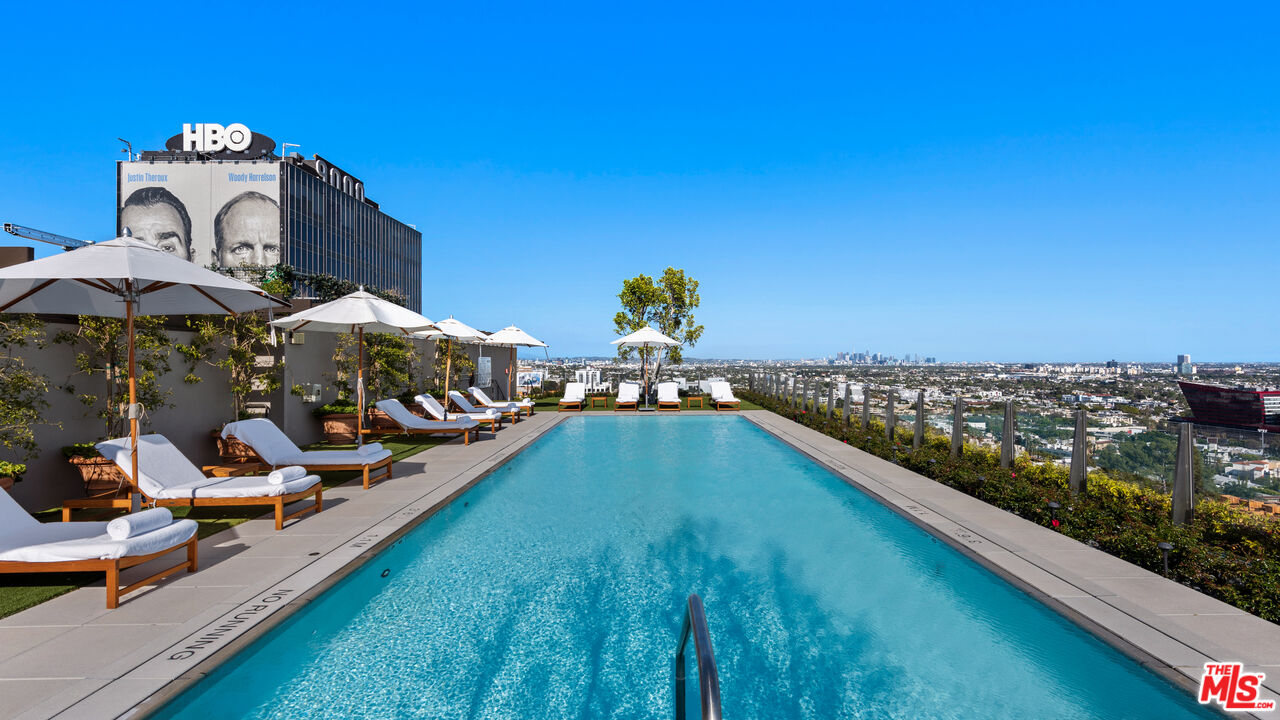
West Hollywood Park is the city's flagship public space, and it over-delivers for a city this dense. The recently expanded Aquatic and Recreation Center features a rooftop pool with panoramic city views, lighted tennis courts, two off-leash dog parks, and a large playground. It's where residents go to train, socialize, and decompress.
Plummer Park on the east side functions more as a community center than a traditional park—home to the Monday Farmers Market, seven tennis courts, and Fiesta Hall, which hosts regular community programming. Kings Road Park is the quiet counterpart: a tranquil pocket park suited for reading or a midday break. William S. Hart Park, tucked off Sunset, offers a more rustic atmosphere with a dedicated off-leash dog area and a historic outdoor theater.
For hiking, Runyon Canyon is just minutes away—one of LA's most popular trail systems, offering canyon and ridgeline routes with panoramic views and, inevitably, celebrity sightings. The city is also bikeable in a way most of LA is not: relatively flat, increasingly equipped with dedicated lanes on major corridors like Santa Monica Boulevard, and well-connected to neighboring Beverly Hills and Hollywood via e-bike routes.
The hotel pool scene is its own WeHo institution. The Mondrian and Andaz both offer day passes and weekend programming that open rooftop pool access to the broader community—a uniquely West Hollywood approach to recreation.
West Hollywood's culture is activist in origin and creative by nature. The city has always attracted people who exist at the intersection of art, identity, and ambition—and that baseline hasn't changed since incorporation.
LGBTQ+ culture is the bedrock. The rainbow crosswalks at San Vicente and Santa Monica aren't decoration—they're a statement of civic identity that the city reinforces through year-round programming. WeHo Pride (June 5–7, 2026) is the city's largest annual event, incorporating the OUTLOUD Music Festival, a street fair, and the Pride Parade, collectively drawing hundreds of thousands of visitors. The Halloween Carnaval on October 31st—a mile-long costume festival along Santa Monica Boulevard—is a legitimate world event, consistently cited as one of the largest Halloween celebrations on the planet.
The Arts Walk (February 28, 2026) activates more than 50 galleries and businesses across the city in a single evening, with free shuttles and live street performance. And in anticipation of the 2028 Olympics, the city's "Inventing Traditions" initiative is transforming Sunset Boulevard itself into a rotating outdoor gallery through a series of public art installations and digital murals.
The day-to-day lifestyle is one of the most walkable in California—morning coffee at Alfred, afternoon errands on Melrose, evening on the Strip. Very little requires a car.
About 32% of West Hollywood students attend private schools—roughly triple the California state average—which reflects both the demographics of the resident population and the premium placed on specialized education.
Within the LAUSD system, West Hollywood Elementary is the highest-rated public option in the area, known for strong arts programming and a highly engaged parent community. Rosewood Avenue Elementary emphasizes environmental science and technology. Fairfax High School serves as the primary public high school, with a historically diverse student body and a campus that carries its own cultural significance in Los Angeles.
Private options within or immediately adjacent to the city include Tree Academy, a small 6th–12th grade program with a 4:1 student-teacher ratio and a curriculum built around individualized and creative learning. West Hollywood College Preparatory offers both early childhood education and a K-12 private track. For families seeking elite national-caliber private schooling, Harvard-Westlake in Studio City and Marlborough School in Hancock Park are the most common choices among WeHo residents willing to commute.
At the university level, UCLA sits just five miles west in Westwood, and the American Film Institute occupies a campus in the Hollywood Hills—both relevant to the city's creative and academic professional base.
West Hollywood is the most walkable city in California, with a Walk Score of 91—and in practice, most daily needs can genuinely be met on foot. Major east-west arteries (Sunset, Santa Monica, Melrose) and north-south routes (La Cienega, Fairfax, San Vicente) create a navigable grid that supports walking, cycling, and transit alike.
The city operates two free transit services. Cityline connects residents to the Hollywood/Highland Metro station, providing a no-cost link to the regional rail network. The PickUp (Trolley) runs as a free weekend nightlife shuttle along Santa Monica Boulevard—practical, social, and well-used. The city is also installing dedicated bike lanes on major corridors as part of its 2028 zero-emission transportation goals.
The Metro K Line northern extension is the infrastructure story to watch. As of early 2026, Metro is finalizing routes for an underground rail line that will bring a subway station directly into West Hollywood for the first time—a multi-billion dollar project that will fundamentally change commute options and connect WeHo to the airport and Westside.
For drivers, the honest trade-off is that West Hollywood has no direct freeway access. Reaching either the US-101 to the east or the I-10 to the south requires 15–20 minutes of surface street driving—a real consideration for anyone who commutes by car. Typical drive times run 5–10 minutes to Beverly Hills, 30–50 minutes to Downtown LA depending on traffic, and 25–45 minutes to Santa Monica.
Sunset Boulevard is the spine of West Hollywood's identity—running along the elevated northern edge of the city through the Sunset Strip. This is where the Whisky a Go Go, The Roxy, The Comedy Store, and Ardor all operate, and where the city's public art initiative is transforming the streetscape ahead of the 2028 Olympics. Living on or near Sunset means maximum access to the Strip's energy, with the tradeoff of late-night noise.
Santa Monica Boulevard bisects the city from east to west and serves as the social and cultural center of the LGBTQ+ community. The Rainbow District stretch—between La Cienega and San Vicente—is where The Abbey, Micky's, and Hi Tops operate. The boulevard also anchors WeHo's civic life, with Pride, Halloween Carnaval, and most major street events occurring along this corridor.
Melrose Avenue is the city's design and retail backbone, running through the heart of the West Hollywood Design District. The Pacific Design Center, Maxfield, Kith, and dozens of independent boutiques make this the most visually stimulating street in the city for anyone interested in fashion, interiors, or architecture.
San Vicente Boulevard offers the most livable residential character in WeHo—lined with jacaranda trees, wider sidewalks, and a more neighborhood-scaled pace. It connects the flatlands to the hills and is a favored route for cyclists and joggers.
Hillside streets north of Sunset—including Blue Jay Way, Rising Glen Road, and Thrasher Avenue—offer the city's most dramatic residential settings: steep, private, architecturally ambitious homes with views across the Basin. These are the streets where WeHo's most expensive single-family homes are found.
People love West Hollywood because it delivers on the promise that most LA neighborhoods only imply. The walkability is real. The culture is genuine, not curated for tourism. The dining, nightlife, shopping, and design exist at a caliber that would define entire cities elsewhere—and here, they're all within a two-mile radius.
The city's independence matters. West Hollywood governs itself, and the results are visible in quality public spaces like the Aquatic Center, robust rent stabilization protections, a free transit system, and civic programming that reflects the actual values of the people who live there. The LGBTQ+ community didn't just pass through WeHo—they built it, incorporated it, and shaped a city whose identity is inseparable from theirs.
For buyers, WeHo offers something increasingly rare in Southern California: urban density with neighborhood intimacy. For renters and long-term residents, the city's rent stabilization policies have preserved community continuity in a region where displacement is common. And for the creative professionals, entertainment workers, and design-world residents who fill the city's apartments and hillside homes, West Hollywood remains the one place in LA where the lifestyle they moved here for actually exists.
There's plenty to do around West Hollywood, including shopping, dining, nightlife, parks, and more. Data provided by Walk Score and Yelp.
Explore popular things to do in the area, including Melrose Alley, Malandrino Catherine Showroom, and Rounder Bum.
| Name | Category | Distance | Reviews |
Ratings by
Yelp
|
|---|---|---|---|---|
| Shopping | 0.45 miles | 2 reviews | 2.5/5 stars | |
| Shopping | 0.54 miles | 0 reviews | 0/5 stars | |
| Shopping | 0.74 miles | 1 review | 1/5 stars | |
| Active | 0.19 miles | 4 reviews | 5/5 stars | |
| Active | 0.51 miles | 4 reviews | 5/5 stars | |
| Active | 0.58 miles | 5 reviews | 5/5 stars | |
| Active | 0.63 miles | 0 reviews | 0/5 stars | |
| Nightlife | 0.44 miles | 1 review | 5/5 stars | |
| Beauty | 0.19 miles | 0 reviews | 0/5 stars | |
| Beauty | 0.3 miles | 1 review | 5/5 stars | |
| Beauty | 0.5 miles | 0 reviews | 0/5 stars | |
| Beauty | 0.51 miles | 367 reviews | 4.3/5 stars | |
| Beauty | 0.59 miles | 0 reviews | 0/5 stars | |
| Beauty | 0.75 miles | 1 review | 5/5 stars | |
| Beauty | 0.75 miles | 8 reviews | 4.5/5 stars | |
|
|
||||
|
|
||||
|
|
||||
|
|
||||
|
|
||||
|
|
West Hollywood has 22,479 households, with an average household size of 1.55. Data provided by the U.S. Census Bureau. Here’s what the people living in West Hollywood do for work — and how long it takes them to get there. Data provided by the U.S. Census Bureau. 35,090 people call West Hollywood home. The population density is 18,591 and the largest age group is Data provided by the U.S. Census Bureau.
Total Population
Population Density Population Density This is the number of people per square mile in a neighborhood.
Median Age
Men vs Women
Population by Age Group
0-9 Years
10-17 Years
18-24 Years
25-64 Years
65-74 Years
75+ Years
Education Level
Total Households
Average Household Size
Average individual Income
Households with Children
With Children:
Without Children:
Marital Status
Blue vs White Collar Workers
Blue Collar:
White Collar: